





So, you have decided to launch a startup, right? Of course, you have made a decisive step, but what about your product promotion? SEO for startups is the right solution. It ensures you have a proper plan to get your brand and product discovered online. Meanwhile, it’s quite a challenging task, especially with the number of competitors having a robust presence in SERPs. Another reason is rising advertising costs, which the majority of startups struggle with.
To overcome these challenges, you need to have an impeccable SEO strategy, which is indeed quite essential for sustainable growth. According to Embryo, organic search accounts for 53% of overall website traffic, making it a reliable and impactful channel for brands that require cost-efficient and long-term visibility.
But you can avail of the maximum advantages of SEO to grow your startups only when you start early. You need to understand that the sooner you start SEO, the sooner you can expect the result. Apart from this, a robust strategy is also pivotal to getting the maximum from your SEO effort.
In this post, we will provide you with complete details related to how to make a foolproof strategy for your startup and make it an established brand. Let’s explore it now.
Why Is SEO a Growth Engine for Startups?
SEO for startups is basically a practice that reflects your efforts to optimise your website for search engines to improve its online visibility in search engine result pages (SERPs). Its major purpose is to make your website easily discoverable among your potential clients who are in search of almost the same products and services you offer.
The entire process includes numerous steps such as optimising your website’s structure, content, authority, and more. It’s necessary to rank high for the keywords your target audience actually looks for.
For startups or during the initial phase of any organisation, SEO serves as a growth engine that drives long-term success in several ways. These include generating qualified leads, bringing consistency, creating trust, minimising costs, etc. It’s indeed different from those of short-term marketing techniques. The core focus of SEO for a startup is creating a great foundation that maximises organic visibility, supports product discovery, and lets you compete with a leading brand on Google.
Why SEO Has Become a Must-Have Investment for Startups?
Backlinko reveals that the #1 result in Google SERP claims 27.6% of overall links. Besides, 49% of marketers already claim that organic search generates a higher ROI compared to any other marketing method. Apart from this, the following are some other valid reasons why investing in SEO is a boon for startups:
- Generate More Returns at Less Cost
The fact can’t be denied that SEO requires low cost, and thus, startups can easily afford to opt for it. Needless to talk about the result, it indeed delivers impressive and long-term outcomes. The main reason for this is that search engine optimisation offers exponential outcomes over time. It continues to generate vast traffic and quality leads even without recurring costs. On the other hand, paid advertising stops delivering results once your budget is over.
To help you understand it better, we will use SEMrush here to get details of our website’s organic traffic and performance.
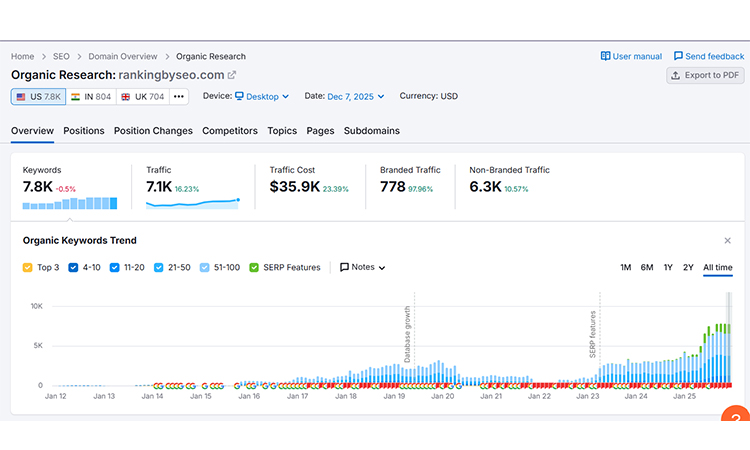
The above image shows our website ranks for 7.8k keywords and generated 7.1K traffic on a monthly basis. This result is from an organic method. If we had chosen paid ads, it would have cost approximately $35.9 per month.
- Boost Brand Credibility
We are all familiar with the fact that the majority of people, of late, rely on Google while searching for any products and services. And they also click on the website that appears at the top of Google searches. So, once your startup starts appearing at the top of search results, it sends a signal of both expertise and authority.
You need to take into account that pages that rank high build a great perception that your brand is highly established and trustworthy, even when you are still growing. This credibility works well in minimising the overall friction even during the purchasing process, which makes prospects even more confident in trying any new service or product from a lesser-known startup.
- Build Trust and Reliability
You need to take into account that search engine optimisation is not only about using keywords – it’s also about building a great foundation of reliability. Startups can reflect reliability with the help of optimised website performance, high-quality content, or positive user experience.
Users will prefer to interact, engage, stay and convert more when they find your content is useful, quick-loading, and smooth. Brand consistency is necessary for offering important information and naturally becomes a great voice in its niche.
- Target People Looking for Your Products and Services
One thing you should always keep in mind is that your target audience already searches for the products and services you provide. Therefore, it’s necessary to use an impeccable SEO strategy to rank your website better than your competitors. Your website should appear at the top of SERPs to grab the attention of the target audience.
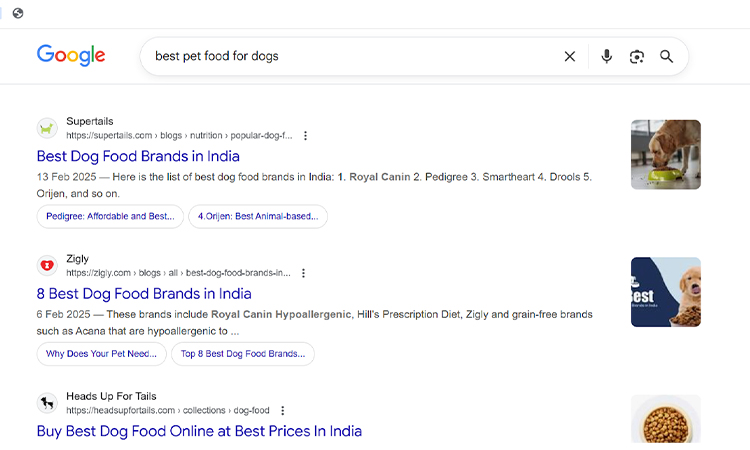
For instance, if you sell a pet-related product, you need to target the right search terms accordingly. People seeking to buy often use search queries like “best pet food for dog” to search for the right provider using Google search.
So, you need to implement an impeccable SEO strategy to make your brand appear with this query, just like the following brands.
- Minimise Long-term Acquisition Cost
When it comes to customer acquisition cost (CAC), it tends to soak up your budget fast. With the use of search engine optimisation, you will be able to break the cycle by creating a pipeline of several inbound leads that increase after each month. Once your pages start ranking, the traffic keeps coming even without any recurring expenses. Over time, your CAC then decreases, which lets you invest in many other growth areas and scale fast.
Top SEO Strategies Startups Should Implement for Guaranteed Outcomes
As we already discussed, creating an impeccable strategy is something that requires a lot of research and planning. You need to keep an eye on your competitors and focus on their SEO strategy to know what works well for them and what lacks.
You also need to know your target audience, market scenario, latest practices, etc., to make your search engine optimisation strategy robust. We discuss below some of the top practices you can consider to implement to make your SEO for a startup strategy result-driven:
- Keyword Research for Startups
We are all versed in the significance of keywords when it comes to search engine optimisation. It works as a foundation in terms of how your entire website is structured. Without performing in-depth keyword research, you will not be able to find out the pages you require, topics your target audience searches for, how much content you require to match the demand, and more.
Through keyword research, you can get a detailed idea of the exact queries your target audience puts in search engines. Once you get details of these queries, you will be able to answer the queries of your potential customers.
How to Find Relevant Keywords that Rank Easily?
Before stepping into the details of the process, you need to understand that relevant keywords are those related directly to your brand, products, and goals. Once your brand ranks for these keywords, it contributes to your core business objectives as well.
We can take an example here – suppose you sell gym equipment and your website ranks properly with a keyword like “best gym equipment”, it will definitely increase your website traffic and also support your core objectives of increasing organic traffic.
Meanwhile, if your website ranks with a keyword like “top gym food products”, it will not benefit you anyway, as you don’t sell any such products. Those who access your website may realise you certainly don’t provide what they look for, and eventually they leave your website.
Though there are a number of tools that help you find your targeted keywords quickly, SEMrush is one of the robust tools. You can use its “Keyword Magic Tool” to find the relevant keywords easily. So, you may be thinking about how to use this tool, right? Well, to do it, you can go through the following steps:
- You need to type the related keyword of your business in the search bar of the tool.
- You can include your website URL in the provided box.
- Click on Search
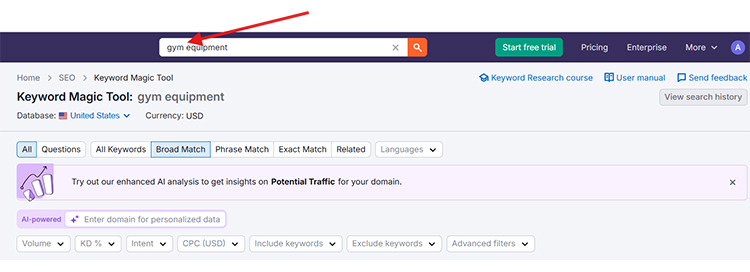

As you can visualise, the above result of related keywords is displayed along with the following crucial details:
- Search Volume
- Keyword Difficulty (KD%)
- Personal Keyword Difficulty (PKD%)
Your aim should be to use keywords that come with an impressive search volume and are exactly from your niche. Another important thing you need to take into account is that your selected keywords have low KD scores, which reflects less competition.
To get the keywords with desired volume and KD, you can use filters. For instance, you can set “Search 200+” and KD% to 26.
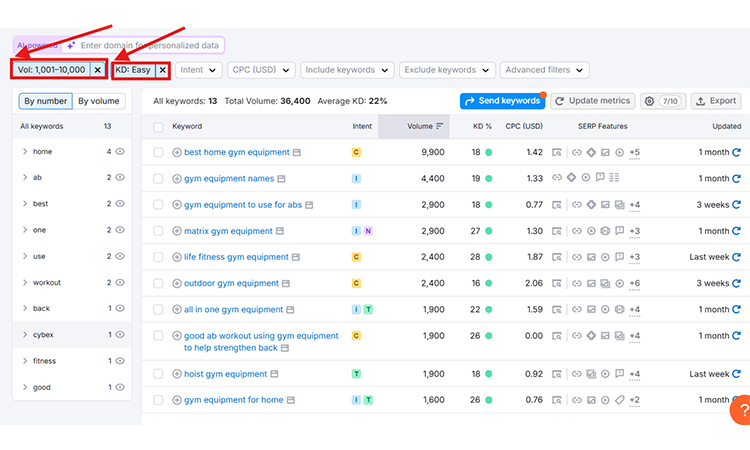
We use filters in the above image, and you can see the overall results. Here we set “search volume” 1,001 to 10,000, and KD is between 15 to 29%.
2. On-Page SEO for Startup Websites
On-page serves its core purpose is to preparing your web pages for any specific search queries. You need to know that Google doesn’t only consider look and design when it comes to favouring any website. Its algorithm determines how perfectly a particular page matches the search queries of users and also how convenient it is to engage with the content.
Whether you have new or existing content, on-page SEO for a startup is crucial for both. It’s mainly because on-page SEO allows search engines to get details of your pages and thus rank them for some relevant queries.
What are Popular On-page Elements?
On-page includes the following important activities that you need to focus extensively on to make your website easily understandable for search engines:
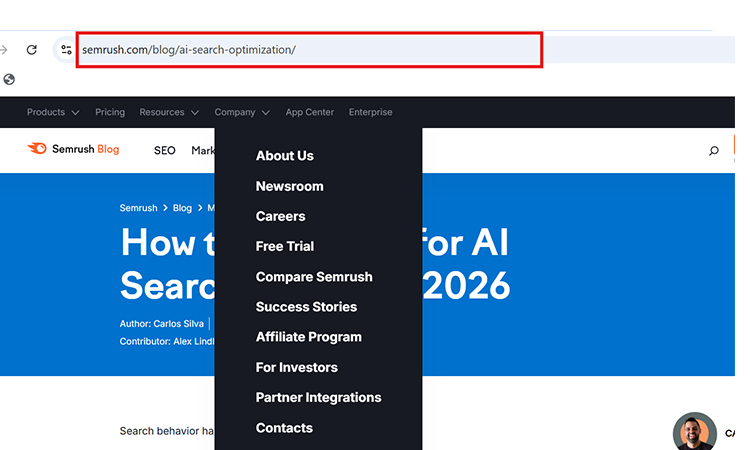
- URL
Make sure the URL of your website is descriptive and includes your targeted keywords. We can take an example here, the following URL.
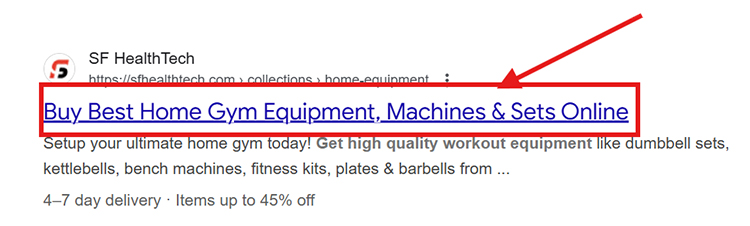
- Title
The title of your page keeps great significance as it provides much information regarding your page. Make sure your page title is between 50 to 60 characters. Besides, it should also include your target keywords naturally.
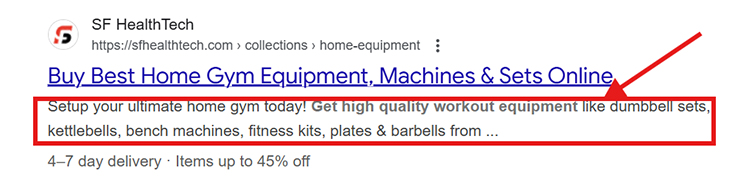
- Meta Description
Meta description is highly important as it provides crucial information regarding your web page. You should always write in an active voice, be crisp, include your target keywords, etc.
- Headings
Make sure your web content is fully structured and written with proper headings. Your content should include relevant keywords,
whether it’s in H1, H2, or H3 tags.
- Content
Since content is king, you should never leave any stone unturned when it comes to creating quality content. Your website should have the best content with appropriate keywords. Ensure it addresses users’ queries and intent, providing them with real value.
Important Points to Consider for Content Optimisation
- Ensure your content is both informative and engaging for users.
- You need to place the primary keyword in the first paragraph or within the first 100 words.
- Use secondary keywords in the body to add topical depth.
- Improve readability by keeping paragraphs short.
- Make sure the tone is conversational and easily understandable for readers.
- Use bullet points, numbered lists, etc., to make your content scannable.
- Images
Images are highly important and also play an indispensable role in seeking the attention of visitors to your website. Make sure you use small-sized images along with descriptive alt text. In fact, image optimisation is incomplete without using alt texts, which are necessary for various reasons:
- Alt texts help both users and search engines to understand images.
- It’s necessary, especially for users who rely exclusively on screen readers.
- It includes your targeted keywords.
To write effective alt texts, you need to describe images. Make sure you write a concise alt text that should be within 125 characters.
- Internal Links
Internal linking is indispensable as it allows search engines to understand the structure of your website. Apart from this, it also plays a vital role in distributing PageRank across pages, improving user experience, bounce rates, strengthening topical relevance, and more. So, it’s advisable to link your pages to many other relevant pages.
3. Technical SEO for Startups
Technical SEO for startups ensures your website appears better in search results. It’s in fact a great foundation in terms of how quickly your pages load, signals are sent to Google, what’s indexed, how algorithms read it, and more.
Apart from this, technical SEO is highly important for many other reasons, which are as follows:
- It allows Google or any search engine to index your website properly. It indeed recognises different elements of your website properly.
- It improves the user experience and readability of your content and thus also your website in general, with a clear objective for keeping your visitors as long as possible on your website.
What are the Important Activities Performed Under Technical SEO?
Well, technical SEO for a startup includes a variety of activities that serve their sole purpose to make your website appropriate to search engines while matching the expectations of users. Let’s explore some of the top activities:
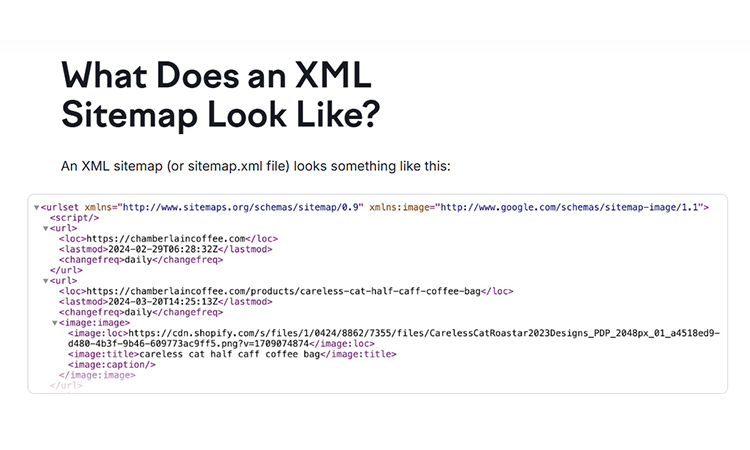
- XML Sitemap
Creating a sitemap is highly important to let Google index your website in a proper way. A large number of tools are available to achieve this. Once you create the sitemap of your website, you need to submit it directly to Google Webmaster Central.
- Check Page Loading Speed
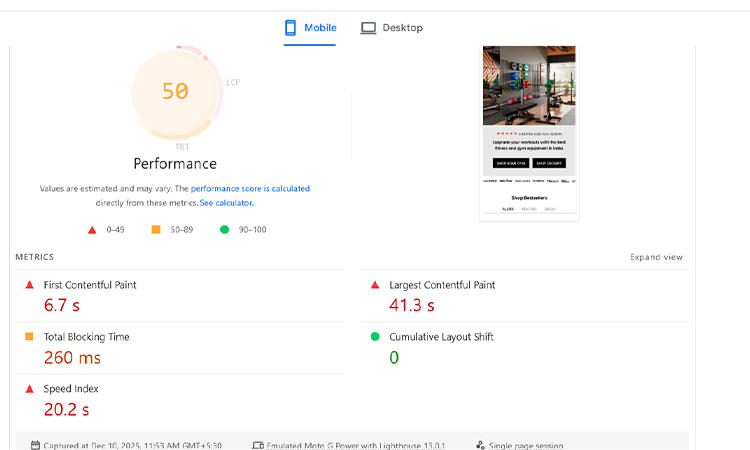
Google reveals that any website page that takes more than 3 s to load generally witnesses more than 53% of the overall visitor bounce rate. You need to analyse your site speed with the use of Google’s Page Speed Insights. It helps you optimise the loading speed of your website.
- Mobile-friendliness
We are all aware of the fact that Google favours only those mobile-responsive/mobile-friendly websites to rank better on their SERP. Make sure your website is mobile responsive, and also test as many devices as possible.

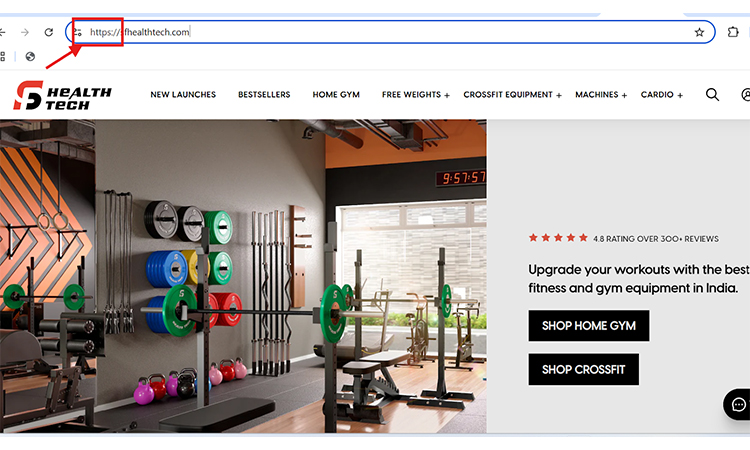
- HTTPS
The security of your website is something that is of great importance. So, you need to migrate your website to HTTPS instead of HTTP.
- Robots.txt Optimization
A robots.txt file tells search engine crawlers which pages should not be crawled. Configuring robots.txt correctly prevents wasting your crawl budget on irrelevant pages such as duplicate URLs, admin panels, or staging environments.
Important Practices to Consider
- Block low-value URLs like staging, admin, and duplicate pages.
- You can permit crawlers to access your other pages, such as blog, product, landing pages, and more.
- You need to test robots.txts on a regular basis to avoid any indexing issues, even during updates.
- Core Web Vitals
Core web vitals have a great significance when it comes to determining the real-world user experience. It emphasizes many important factors such as interactivity, loading speed, and visual stability. It goes without saying that these metrics have a direct impact on the ranking of any website.
To understand the core web vitals, you need to use any tool that checks website loading speed. And it displays results like the following.
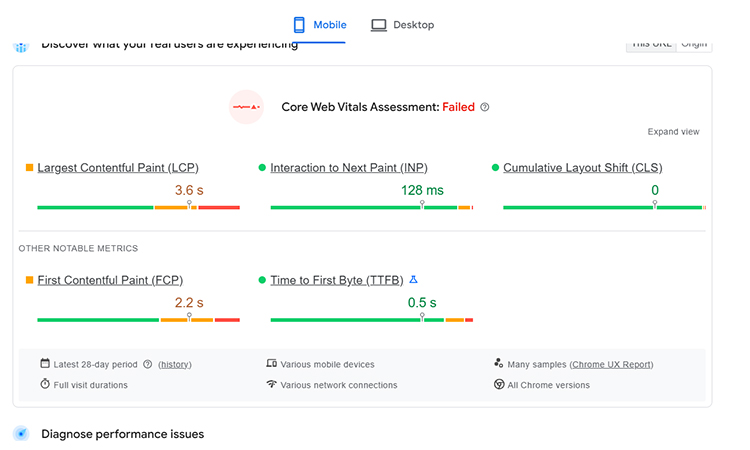
To improve core web vitals, you can prioritize image compression, clean code, fast hosting, and more.
- Schema Markup (Structured Data)
Structured data serves its core purpose to help search engines understand your content and thus ensures rich results like product FAQs, reviews, FAQs, etc. It’s indeed essential for startups to improve their visibility even without requiring any additional content. It also helps in building credibility with improved click-through rates. Some of the popular schema types include:
- Organization schema
- Local business schema
- Website schema
- Article schema
- Product schema
- FAQ schema
- Review schema
- And more
- Voice Search Optimisation
The fact can’t be denied that the trend of voice search is growing by leaps and bounds. Rather than typing their queries, users of late use their voice, especially when it comes to local queries and mobile. So, you need to optimise your website for question-based keywords, natural language, featured snippet eligibility, and more.
Best Practices to Implement for Voice Search Optimisation
- Use long-tail and conversational keywords.
- Maximise page speed
- Optimise content for featured snippets.
- Optimise your website for mobile usability.
4. Content Marketing Strategy for Startup SEO
Content marketing is a process of creating pages that should be able to solve real user problems and also answer their questions. It’s not limited to crafting articles but includes a variety of content, generally for thorough search, checklists, comparisons, product pages, troubleshooting pages, and more.
Content marketing is all about publishing top-quality content consistently. It encourages Google to perceive your website as reliable and credible and thus favours your content to rank on SERPs.
What are the Principles You need to follow for Content Marketing
You need to follow various principles when it comes to content marketing. Let’s discuss some of them in-depth:
- You need to include your target keywords in the content you create. It’s advisable to do two important things: first, include keywords naturally, and then focus completely on content that is natural and comprehensive for your target audience. Second, you need to pay a lot of attention to the potential search intent of the keyword. Make sure the content you create satisfies user intent properly. It should be based on problem-solving and education.
- Perform a quick Google search related to your targeted keyword. After this, you should check many top-ranking pages. Your main aim should be to craft useful content rather than pages. It’s advisable to cover topics from various angles and craft something unique and informative. Make sure your product content, blog, landing pages, etc., are balanced. You should never forget to update and optimise your existing content regularly.
- Make sure you optimise the structure of your content properly in the eyes of search engine algorithms and readers. You need to optimize your content for readability and also maintain a great internal linking structure. You should not forget to implement a structured data markup. It’s useful in indexing your content in search engines. Besides, it also makes your content eligible to appear in featured/rich snippets. Well-structured content helps you build a topical authority in your niche as well.
5. Social Media for Startup SEO
One thing you need to understand is that social media doesn’t have a direct impact on SEO for startups, but it complements the same. Your social media activity offers a complete signal that improves your SEO performance directly.
Reasons Why Social Media Matters for SEO
The following are some genuine reasons why social media is vital for startup search engine optimization. Improve Branded Searches
When your startup has a consistent and active social media presence, it works effectively in increasing brand awareness. When users come across your content on various platforms like Facebook, LinkedIn, and others, they will search for you with your brand name. And it reflects your trust and recognition.
- Boost Referral Traffic
Social media contributes a lot to diverting traffic to your website. When users click on the link provided along with your social media post, they directly land on your website, be it service pages, blogs, or articles. It leads to improved engagement metrics, such as lower bounce rates and longer session durations. Maximise Content Discoverability
No matter how good your content is, it will not perform unless discovered. Social media is important to distribute your content to a vast audience and thus maximise visibility beyond search engines.
- Improve Link-building Opportunities
By leveraging social media, you can maximise the reach of your content among industry influencers, bloggers, journalists, and others. When your content gains more interaction and engagement, it has more chances to earn natural backlinks. Boost Brand Authority
When you share valuable and informative content consistently, it helps you boost your brand credibility and thus position you as an industry leader. When users start relying on your brand, they will engage more with your website. It strengthens both organic visibility and brand reputation.
What are Some Social Media Strategies to Implement?
To get an effective result, you can implement the following strategies for social media. Let’s discuss the same in-depth:
- You need to distribute your blog posts across multiple social media channels like LinkedIn, Facebook, and more. When your readers engage through comments, likes, and shares, it boosts meaningful traffic back to your website.
- You need to craft different formats of content, including carousels, short videos, quote graphics, and more.
- You can use X and LinkedIn to create authority in your niche.
- You need to encourage community participation and social shares.
- You need to include social proof on your website. It’s advisable to use user-generated reviews, content, customer shout-outs, testimonials, and more.
6. Link Building for Startups
Backlinks simply represent getting a reference for your website from other websites in your niche. You need to target highly reputable websites to earn an authoritative backlink. The most important thing is to ensure that the link is relevant to your niche and also high-quality.
Google perceives backlinks as a factor of reliability and trust. It also contributes a lot to improving the search ranking of your website. So, backlinks keep a great significance for search engine optimization, especially those from reputable sources.
How to Earn Backlinks?
The most effective method of generating backlinks is crafting high-quality content that people wish to engage with, link to, and share. Make sure the content you create is entertaining, educational, and also thought-provoking.
To check the backlink of your website, you will come across various tools to leverage – SEMrush’s “backlink analytics” is one of those.
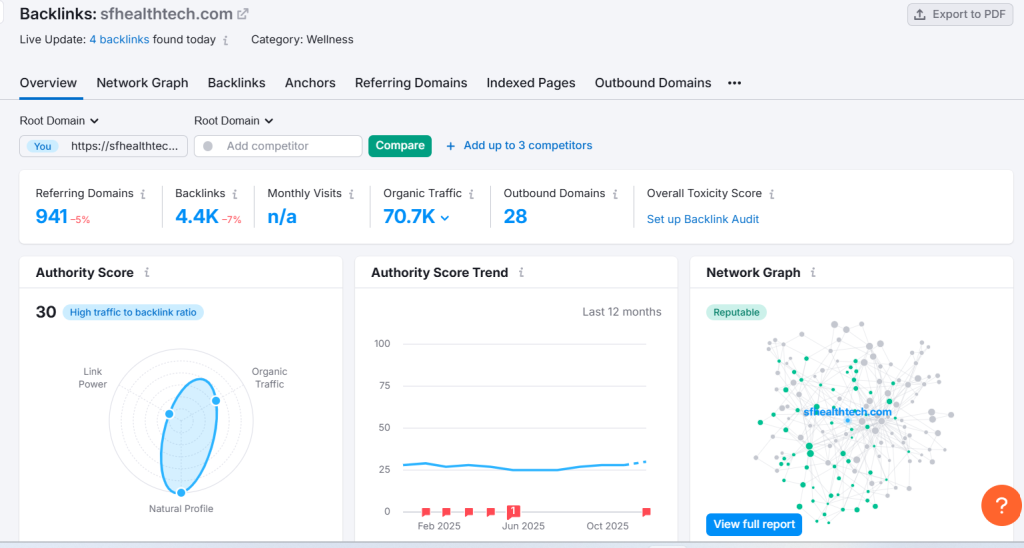

We will discuss here some other tricks you can try to generate backlinks for your website. Let’s find out:
- You need to reach site owners or publishers and ask them, with the help of email, to link to your relevant web page.
- The next step you can do is to find out the relevant articles that link to those pages that don’t exist anymore. You need to ask your publisher to link to your relevant pages.
- Discover websites that link to your competitors, and you can approach them to provide a backlink to your website.
- You need to find those websites that mention your brand name, even without linking to your website. You can ask them to add a backlink.
7. Local SEO for Startups
When it comes to local SEO, it’s important for any startup since it allows them to appear exactly where their customers search within their region or city. Startups will be able to cajole many high-intent buyers who are set to convert through creating location-based pages, optimising Google Business Profile, earning local reviews, and more.
It indeed improves visibility, boosts foot traffic, builds reliability, and more for any physical businesses. Local SEO for startups lets new brands compete with many leading players. If your startup is at an early stage, you need to dominate the local market to generate leads and revenue.
Vital Steps for Local SEO
Let’s explore various important steps you need to follow:
- Create and Optimise Google Business Profile (GBP): You need to do it by adding service areas, categories, FAQs, NAP details, images, and more.
- Earn Local Reviews: You need to earn local reviews for your GBP with consistency. Google relies on businesses with positive and frequent reviews.
- Implement a location-based schema.
- Publish Local Landing Pages: It’s important and pivotal to publish localised landing pages to target your customers locally. For instance, you can create a page like “Pizza Delivery Services in New York”.
- You need to register on many local business directories.
What are the Major Advantages of Local SEO for Startups?
The fact can’t be denied that local SEO brings a plethora of advantages for startups. The following are some of those advantages:
- Higher Conversion Intent
- Faster Rankings
- Better Brand Trust
- More Foot Traffic
8. Measuring SEO Performance for Startups
Apart from putting in hard effort in SEO for a startup, you also need to keep an eye on the performance of your campaign to understand how it’s going. Therefore, it’s important to understand the metrics you need to pay attention to. Let’s discuss some of the metrics:
- Keywords: You need to set your eyes on those keywords your website ranks for. There are some tools that will not display some of the keywords under the “not provided” category, whereas others reflect a limited number.
- Organic Traffic: The next metric is the keywords your website generates from SERPs. You will be able to determine the same with the use of the Google Analytics tool.
- Backlinks: You can check the links your websites earned from other websites. As already mentioned above, backlinks play a vital role in improving the search engine ranking of any website.
- Conversions: It’s basically an important action you can take to purchase or sign up.
- Page Loading Time: It reflects the speed at which your page loads.
- Bounce Rate: It reflects how frequently visitors leave your website.
- Click-through Rate: It’s about the actual percentage of users who click on your pages after seeing them in search outcomes.
Startup SEO Case Studies
A large number of startups have tried search engine optimisation for their websites and witnessed unprecedented outcomes. We will give you some of the top examples of startups:
1. Duolingo
Came into existence in the year 2011, Duolingo is a well-recognised app which belongs to the EdTech industry. It used the unmatched power of SEO to increase organic search to reach users across the world, even without huge ad budgets.
How Did They Create Their Strategy:
- They created landing pages in different languages to target users from different countries.
- Created an SEO-friendly blog around vocab, grammar, language tips, etc.
- You need to optimize for “learn French”, “learn Spanish”, “language courses”, etc.
Final Outcomes:
- SEO helped Duolingo to grab 18 to 20M organic visitors on a monthly basis.
- It helped the brand to become the world’s popular learning app.
- It dominates “learn online” and enjoys a vast popularity in its domain.
2. NerdWallet
Established in the year 2009, NerdWallet is another American-based company that adopted search engine optimization and witnessed significant outcomes.
How Did They Create Their SEO Strategy?
- They targeted review and comparison keywords like “Best Savings Accounts”, “Best Credit Cards”, “Investment Apps”, and more.
- They emphasized calculators, long-form expert content, tools, etc.
- They invested heavily in E-E-A-T signals and also top-quality backlinks.
Final Outcomes
- The company has reached an overall of 15+ million organic visitors on a monthly basis.
- It still has dominance in SERPs for finance search terms.
- It scaled properly to a $1B+IPO, mainly due to any SEO-based revenue.
3. Notion
Established in the year 2016, Notion, a personal productivity app, became a full-fledged brand after the adoption of search engine optimisation.
How Did They Create Their SEO Strategy?
- It ranked mainly for various targeted keywords like “Project Management Template”, Habit Tracker Template”, Second Brain Template, and more.
- The company also created SEO compounds through creators, influencers. Productivity blogs, and more.
Final Outcomes
- The company achieved approximately 20M+ organic visitors on a monthly basis.
- It has a community-led SEO that massively catalysed brand reach.
- Template pages rank across a number of commercial queries.
4. Zapier
Located in America, Zapier, established in 2011, is a software company that offers a platform for app integration, workflow integration, and more. It has adopted SEO and experienced a drastic result.
How Did They Create Their SEO Strategy?
- It created programmatic landing pages for every X integrated with Y” search query.
- They used clear CTA-based structured + used heavy internal linking.
- They posted a number of blog posts targeted mainly at automation, workflows, productivity, etc.
Final Outcomes
- It has achieved more than 8M organic visitors on a monthly basis.
- The company scaled zero paid ads even during the early years.
- Its integration pages still boost almost 40 to 50% of organic traffic.
Important Tools Startups Can Use for SEO
Selecting and leveraging the right tools for your startup boosts your entire SEO process while ensuring its effectiveness. Rather than making your decision based on your guess about what your target audience prefers or expects, you can leverage the best tools to gain valuable insight into it with higher accuracy. This indeed helps you make a data-based decision. We will explore some of the SEO tools you can consider to leverage for a variety of purposes:
- Google Search Console (GSC)
Google Search Console is a must-have tool to make your SEO strategy successful and result-oriented. It allows you to check the views your website gained, keyword rankings, indexing issues, impressions, clicks, average position, and more. You can leverage this tool to spot technical errors on your website, understand issues that affect ranking, and submit sitemaps, etc.
- Google Analytics (GA)
Being another robust tool, GA lets you have complete visibility into user behaviour. You can use this tool to get details of high-performing pages, analyse traffic sources, bounce rates, conversions, user engagement, and more. This tool gives you a better understanding of channels that boost more traffic, content that converts, and how long visitors stay, etc. The tool lets you make your SEO for a startup effort result-driven.
- Google Keyword Planner
As the name suggests, Google Keyword Planner is best for keyword research. Since the tool is free, it’s apt for startups with limited budgets to spend. It’s indeed a reliable tool as it’s from Google. With the use of this tool, you will be able to explore numerous keyword ideas, analyze competition levels, understand search volumes, and more. It helps you explore long-tail keywords, focus on search terms according to opportunity and intent, apply them to your content strategy, and more.
- SEMrush
SEMrush is one of the most sought-after SEO tools for search engine optimization and is useful for startups seeking deep insights. It offers a complete competitor analysis, detailed keyword research, site health reports, and backlink audits. You can use its SEO writing assistant and content templates to optimize every blog and landing page with the use of real-time suggestions. It’s the right option to find quick wins and also grab some long-term opportunities.
- Ahrefs
Ahrefs is another powerful tool for SEO and has a great importance on backlink analysis. For startups, it’s perfect for detecting broken link opportunities, exploring competitor backlinks, determining content gaps, analyzing organic keyword movements, and more. It comes with tools like “Content Explorer” and “Site Audit”, which are useful for website structure and also create data-driven content that ranks rapidly.
- SurferSEO
As a content optimization tool, SurferSEO helps you create SEO-friendly content without putting in so much effort. You can use it to write NLP-optimised content even without putting any effort. With the use of SurferSEO, you will be able to analyze various high-ranking pages and get recommendations for headings, keywords, content length, structure, and more. It helps you rank your website easily in search engines through aligning your content by matching Google’s expectations.
Mistakes to Avoid While Performing SEO for Startups
We have talked enough about the benefits of SEO for startups, which you will be able to avail only when you implement your strategy correctly. Even a small mistake can make your effort futile. We discuss some of the common mistakes that businesses commit most frequently and thus are deprived of getting the desired outcomes. You are suggested to avoid these mistakes as much as possible:
- Creating Content without a Solid Plan
One of the major mistakes that startups make is publishing landing pages or blogs randomly, even without any solid plan. It’s not only a waste of time but also effort. You need to always take into account that content developed without a thorough understanding of competition, search intent, or even keyword gaps causes low visibility.
Solution: You need to draft a content plan that aligns keywords better, maps buyer stages, follows a structured topic cluster model, and more.
- Avoiding Keyword Intent
A large number of startups use high-volume keywords, and they don’t realise that user search intent matters more than the number. You need to imagine a scenario where users look for solutions, but your content promotes features. This yields a poor ranking and high bounce rates.
Solution: You need to understand keyword research better, be it commercial, informational, navigational, or transactional. Make sure you create better content for the right audience.
- Relying Exclusively on Paid Ads
It’s true that paid ads provide you with quick visibility, but they stop delivering results once your budget is over. So, if you rely only on paid ads, you will definitely miss out on the compounding power of organic search. SEO for startup builds long-lasting authority, visibility, and offers sustainable traffic at a fraction of paid acquisition costs.
Solution: You need to go with a balanced approach where SEO builds a solid foundation. Paid ads support mainly certain specific campaigns, which indeed deliver an improved ROI.
- Not Enough Focus on Technical SEO
You need to take into account that even the best content will face issues to rank in case search engines don’t crawl, index, and thus understand your website better. Many startups often ignore various technical SEO elements such as mobile, website speed, crawl errors, mobile responsiveness, broken links, and more. These indeed affect both user experience and rankings.
Solution: It’s advisable to invest as early as possible in the technical health of your website, which gives search engines a reason to rely on your website. It improves the discoverability of your website.
- Ignoring Local SEO
Startups that target region-specific audiences or any physical locations often ignore local SEO as they think it applies only to traditional businesses. But, they need to take into account that optimization of their GBP, building local citations, and collecting local reviews can boost qualified leads compared to any organic methods.
Solution: You should proceed with a robust local startup SEO strategy to target the audience near your location.
Reasons to Hire a Professional SEO Company for Startup SEO
Though you can do SEO of your website on your own, you will come across many issues like slow results, missed opportunities, etc. So, the best option is to hire a professional SEO company. They work with an expert-driven approach to improve visibility of your brand. Let’s gather some other reasons why you need to approach experts:
- Fast and Desired Outcomes
It’s certainly not possible for startups to afford long trial-and-error cycles. A large number of leading SEO companies use industry insights, proven frameworks, and established workflows that let them achieve rapid outcomes. With their services, you don’t need to wait for what works well. They help you gain a fast ranking, steady organic traffic, and improved visibility. These offer your startup the great momentum it requires to scale.
- Leverage Advanced Tools
An SEO company has a group of experts who leverage cutting-edge tools, which are indeed not affordable for startups. A professional company already has access to these important tools and also leverages them for delivering data-driven technical audits, keyword strategies, performance tracking, competitor insights, and more. It provides your startup a complete and measurable SEO edge even without any additional costs.
- Group of Experts
As we already mentioned, an SEO company is a group of professionals, including technical specialists, strategists, link builders, content experts, analysts, and others. Every expert is responsible for handling a particular part of the entire SEO ecosystem, which ensures every angle is covered. It helps you avoid any mistakes, implement the latest industry practices, and cope easily with the algorithm changes of Google.
- Work with a Solid Strategy
Another advantage of hiring a professional is that they work with a proven and clear strategy. They specialize in crafting structured roadmaps such as keyword planning, content calendars, technical fixes, link building campaigns, on-page optimization, and more. It ensures consistent implementation rather than any uncoordinated and random efforts.
- Offer a Competitive Advantage
Partnering with a trusted SEO company helps you get a significant advantage over your competitors. They assist you in ranking for your targeted keywords, capturing high-intent customers, building authority fast, and more.
FAQ’S
Ans.Well, you need to do SEO for your startup even from day one. One thing you need to take into account is that the sooner you start, the faster you achieve results. It helps you improve reliability, visibility, and organic traffic.
Ans. Yes, startups can do SEO even with a limited budget. You need to publish quality content consistently, target high-intent keywords, optimize technical basics, and more. You should also leverage free tools such as GA4, GSC, etc., to build sustainable organic growth even without any major spending.
Ans. Well, it generally takes 3 to 6 months to deliver the final outcomes. Besides, it also depends on several other factors such as website quality, competition, technical fixes, content strategy, and more.
Ans. The cost of SEO for startups generally ranges from $250 to $700. It also depends on many crucial factors such as service scope, industry competition, content, audit, ongoing optimisation, and technical fixes.
Ans. No, coding is not necessary for SEO. But it helps you resolve any technical issues, collaborate with developers, and improve site structure.
Wrap Up
SEO is considered to be a major investment for any startup, especially during the early stages. Though it can be complex for a beginner, it provides long-term advantages, including business growth. Therefore, the significance of SEO for a startup is something that can’t be undermined.
To start, you should always take into consideration these important SEO tips for your startups, right from optimizing the structure of your website to creating top-quality content. Get in touch with a reliable SEO provider that promises to deliver unmatched outcomes.

