





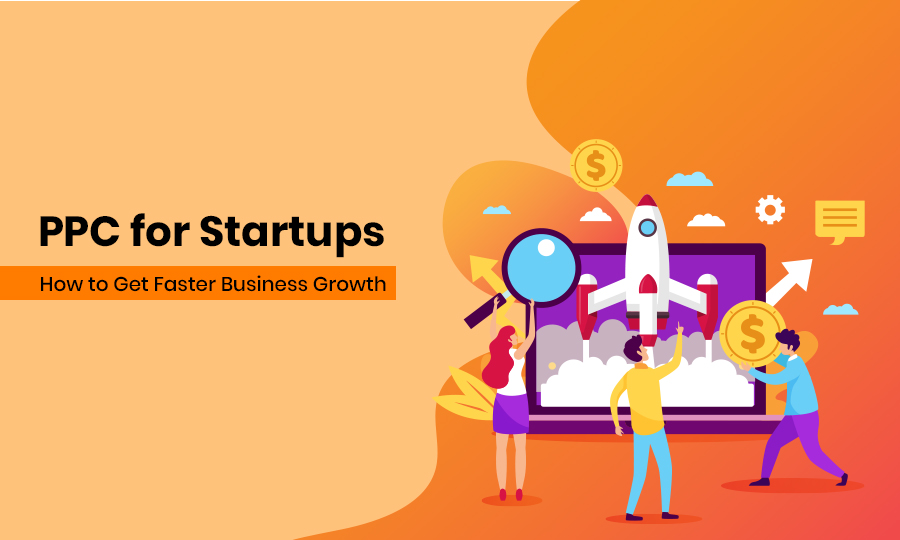
Pay-per-click ads, also popularly known as PPC, are the most effective way to generate new leads. You pay when your ads get clicked, not just viewed. So, being a startup owner, PPC can change your whole marketing scenario and get you to develop a huge client base in a short period of time. Therefore, PPC for startups is the most essential digital advertising to consider. In 2025, there are about 1,489 unicorns (startups growing over $1 billion) in the world. Their total worth is about $5 trillion. However, research shows that PPC gets 50% more conversion rates than organic traffic. So if you don’t run your PPC ads, then you may lose your potential clients somehow.
Now you must be thinking about how you can run your PPC campaigns for a startup. Then, my friend, this blog is for you. We will cover all the necessary steps of PPC ads with important tools and how you can start, like choosing your audience, budget allocation, keyword research, ad creation, and tracking performance. Moreover, there are different dimensions for running paid ads on different platforms; you also get knowledge of that. You can also look at how to use digital marketing to make your PPC ads better and learn about new PPC developments to get better outcomes. So let’s get into the PPC world and start improving your campaigns for the best results.
How Does PPC Work For Startups?
The performance-based PPC model is perfect for startups if they have a budget shortage. It helps them to pay only when their potential clients take an action. So you need to understand the auction system and identify the right platforms for your business objectives.
Let’s Understand the PPC Auction System for Startups
If someone searches on Google or scrolls through social media, then the instant auction decides which ads show up. Therefore, you can’t just compete on price. Platforms also look at how good your ad is, how relevant it is, and how many clicks it will get. If you have higher quality scores, you pay less per click than your competitors. Moreover, your ad campaigns require strong ad copy and relevant landing pages to win these auctions. This system helps new businesses compete with bigger companies that spend more on ads.
What Are the Different Platforms and Dimensions Used for Running Paid Ads?
Startups run paid ads on many different platforms, and each one has its own ad sizes, formats, and startup fit. If you want to keep your ads sharp, professional, and fully optimized, you need to select visuals that match each channel because of these deviations. Here is a simple explanation of major platforms and their common ad dimensions and features.
- Google Ads for High-Intent Searches- Google Ads are the most trusted ads for ppc success. This platform gets the most startups to buy things because it targets people who want to buy. Google helps responsive ads to automatically adjust, but display ads must have key sizes like 300×250, 728×90, 160×600, and 300×600.
- Facebook/Instagram Ads for Audience Discovery- Facebook and Instagram help you reach specific demographics, hobbies, and behaviors. Moreover, the Meta platforms use square, vertical, and horizontal formats. The most widely used dimensions are 1080×1080 for square posts, 1080×1920 for vertical stories, and 1200×628 for landscape ads. These formats help brands reach users on feeds, reels, and stories.
- LinkedIn Ads for B2B Startups (Cost Considerations)- Furthermore, LinkedIn’s job title, company size, and industry targeting are outstanding for B2B. It costs 2-3 times more than Google or Facebook. LinkedIn offers 1200×628 banners and 1080×1080 carousels for professional audiences.
- YouTube Ads-The majority of videos on YouTube are 1920 x 1080. This size supports high-quality playback on most displays.
- X (Twitter) Ads-X optimized for mobile-first users with 1200×675 promoted posts and 1080×1920 vertical video ads.
- TikTok Ads-TikTok uses full-screen vertical videos. The ideal screen size is 1080×1920, which increases viewer participation.
Why Should Startups Need Pay-Per-Click?
PPC strategy is one of the strongest ways to reach huge clients within a short span of time. Pay-per-click (PPC) is rated as “effective” or “highly effective” by 93% of marketers, making it the second most successful channel after content marketing (96%).
- You Get the Highest Return on Investment (ROI) for PPC Ads
PPC campaigns usually make about $2 for every $1 spent on Google Ads, which is a 200% return on investment. Therefore, many startups put money into PPC because of the high ROI. They can see clear financial returns faster than with many other platforms.
- Immediate Online Visibility and Brand Awareness
When you start a PPC campaign, your ads show up at the top of Google right away. Therefore, your target audience can see your startup easily. On the other hand, search engine optimization (SEO) cannot do this—it needs months of content, backlinks, and optimization before rankings improve. PPC is a great way to jumpstart your online presence and attract potential customers.
- Flexible Budget and Precise Targeting
Mostly, startups often don’t have a lot of money to spend. Set daily spending restrictions using PPC. You only pay when someone clicks on your advertisement, so you don’t waste money on people who aren’t interested.
Advanced targeting also helps you find the right people, like those who live in certain places, use certain devices, or have certain interests. This way, your ads are seen by people who are most likely to buy something.
How Should a Startup Get Started with PPC — Step-by-Step Action Plan
You need to carefully plan your PPC for startups, so there are some essential steps. Till now, you’ve learned about ppc working process and various ppc running ad platforms. Here, you will find a brief or detailed step-by-step guide to designing your PPC campaigns for startups.
Step 1 — Define Clear Objectives & Target Audience
You should have a clear objective to run your PPC campaign for startups. So you have to take a look at your target audience and set realistic goals before you launch any ad campaign. Do you want to generate leads, validate product-market fit, or increase upfront sales? Each objective requires a different approach to your PPC marketing strategy.
So you can begin with realistic targets based on your budget and industry benchmarks. A SaaS startup might aim for 50 qualified leads monthly, while an e-commerce business focuses on Google Ads conversions with specific revenue targets. Most importantly, your objectives should increase realistic growth—not just traffic or impressions.
Product-market fit validation through PPC offers unique advantages over organic SEO. As opposed to months, you test various value propositions, pricing schemes, and target audience segments in a matter of days. Each ad variation gives you instant feedback on what people like.
How to Use Audience Segmentation & Targeting?
- Audience segmentation turns broad campaigns into exact tools. You start with thorough keyword research to understand how your ideal customers search for solutions. This study shows what people don’t like, how they talk, and how likely they are to buy something.
- Create separate campaigns for different audience segments—first-time visitors need awareness-focused responsive search ads, while returning visitors respond better to conversion-focused messages. Geographic, demographic, and behavioral data help you deliver targeted traffic that actually converts.
- Then, you can test several audience groups at the same time to see which ones give you the best ROI. Your budget goes to the parts that get the fastest leads, and the ones that don’t work as well are paused or improved.
Step 2 — How Much of Your Budget Should You Allocate—and Where?
- PPC budget is a very important part that one can follow. You need to accurately plan your ad budget, not randomly try. Most startups should dedicate 60-70% of their budget to platforms that already show results, while 20-30% goes to testing new channels. This split keeps your current profitable campaign running while you look for ways to grow.
- Google Ads delivers instant traffic from high-intent searchers and deserves the largest share for most businesses. Advertisers pay premium rates here, but the conversion potential justifies the cost. B2B companies often allocate 40-50% to search ads alone.
- Furthermore, social platforms need 20-30% of your budget for audience development and brand awareness. Instagram and Facebook are good for visual products, but LinkedIn costs more but reaches most decision-makers. TikTok offers low-cost paid traffic for consumer brands.
- You must reserve 10-15% as a testing budget. Moreover, this element helps you experiment with new ad formats, audiences, and platforms without risking your core revenue streams. Tailored strategies for each platform prevent wasted spending—what works on Google rarely translates directly to social media.
- Then you should track your weekly results and shift funds toward channels that deliver maximum ROI. A platform that generates leads at $30 each deserves more investment than one at $80.
Step 3 — PPC Keyword Research to Find High-Intent Keywords for Startup Growth
Keywords are a very important part of ppc advertising. Your target audience searches specific words to find your services or products. So you need to find out those actual words. And put them in your campaign perfectly.
- Start with Seed Keywords from Your Startups
Your keyword research begins with your core product or service terms. Then you should List 5-10 words that describe what you offer—these become your foundation. A project management startup might start with “project management software,” “task tracker,” and “team collaboration tool.” So you may ask your sales team what phrases customers use when they contact you. These real-world words are often better than industry jargon.
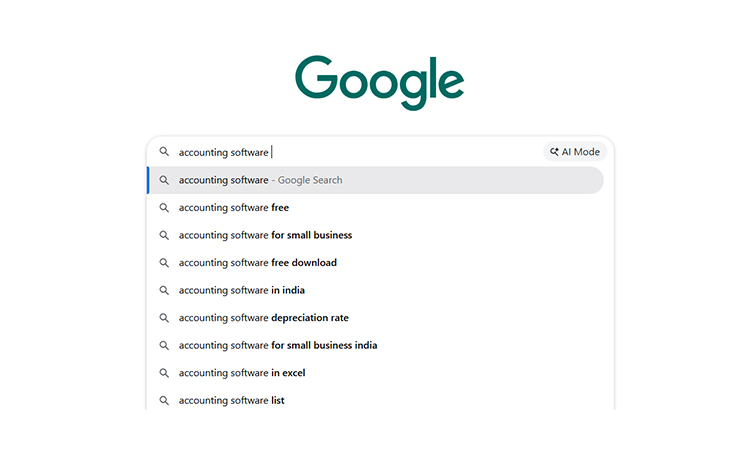
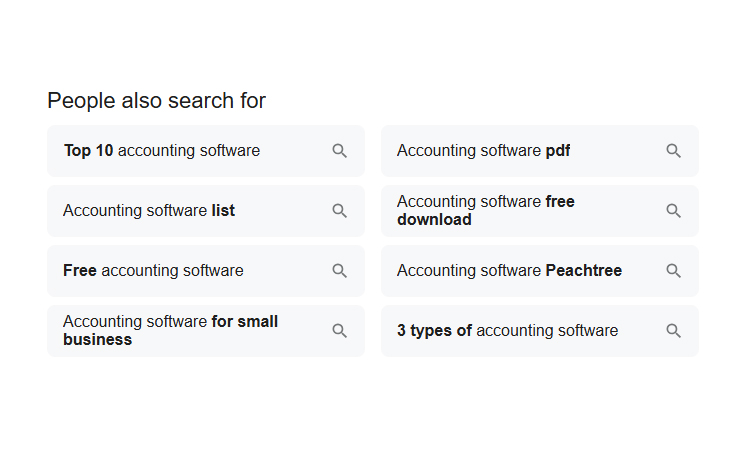
You can use Google Search autocomplete – Write your main keywords in the Google search bar like this-
If you have an accounting software business, then just put these words as the main keyword on Google search,let Google help you to structure new keyword ideas.
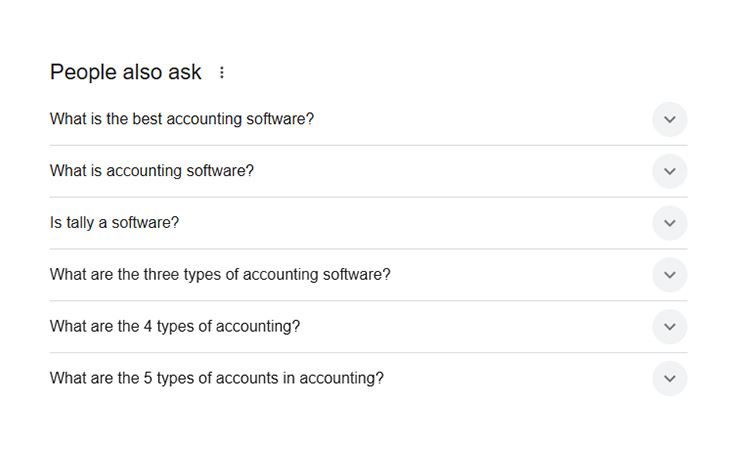
Then you can try the People Also Ask section-
Quick Recommendation for Startups
- Beginner: Google Keyword Planner
- Competitive market: Semrush
- Low budget: SpyFu
- SEO + PPC combo: Ahrefs
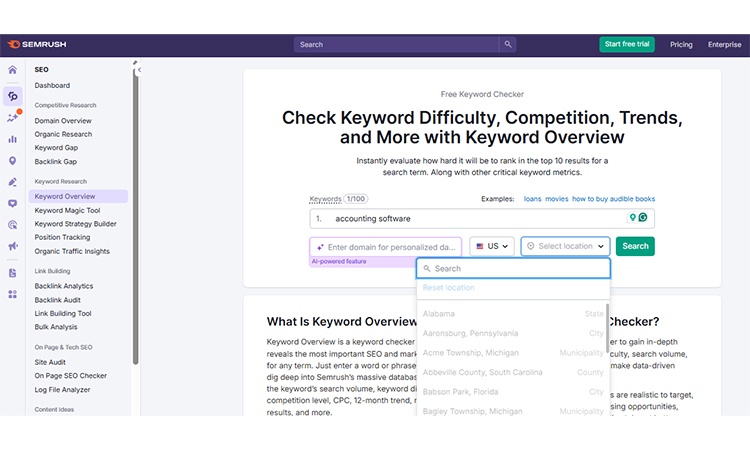
You can go Semrush Keyword Magic Tool and type you main keyword and Select your target country
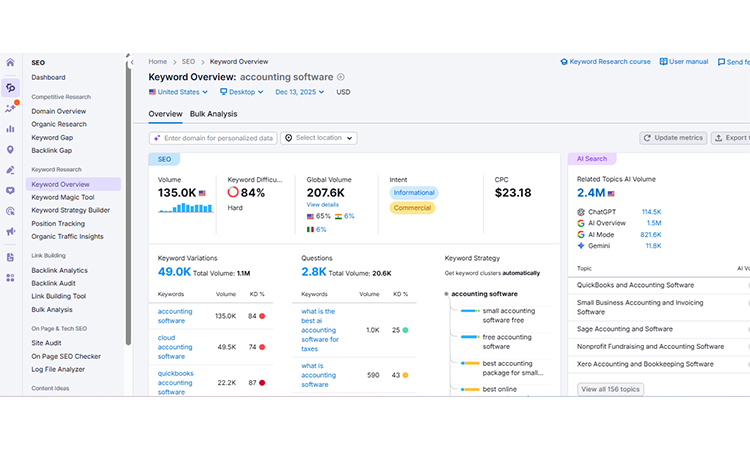
| Metric | What It Means | How to Select | What Is Important for Startups |
| Search Volume | How many people search for a keyword in a month | Choose medium search volume keywords instead of very high ones | High volume keywords cost more and attract broad traffic; medium volume brings relevant users |
| Keyword Difficulty | How hard it is to rank or compete for a keyword | Select low to medium difficulty keywords | Lower difficulty reduces competition and lowers CPC, which saves budget |
| CPC (Cost Per Click) | The average cost you pay per click | Pick keywords with affordable CPC that fit your budget | High CPC drains startup budgets quickly; focus on ROI, not just clicks |
| Competition Level | Number of advertisers bidding on the keyword | Target low to medium competition keywords | Fewer advertisers mean better ad visibility and cheaper clicks |
Startup Tip
Startups can get their full ppc advertising results, and you need to focus on high-intent keywords with medium volume, low competition, and manageable CPC. These keywords convert better and reduce wasted ad spend.
Where to Put Keywords in a PPC Campaign?
- Campaign and ad group keywords: First, you need to add your researched keywords inside tightly themed ad groups based on user intent, such as buying, pricing, or location, to improve relevance and lower CPC.
- Ad headlines: Then you may incorporate your main keyword in at least one headline to improve ad relevance and click-through rate.
- Ad descriptions: Incorporate supporting keywords organically to point out advantages and clearly match user searches.
- Landing page content: You also put keywords in the main headline, subheadings, body text, and call to action to keep the message consistent and get more people to do what you want.
- Display URL path: Join keywords in the display URL to improve relevance and reliability.
- Negative keywords: Furthermore, you may add words that don’t have anything to do with your ad to the negative keyword list so you don’t waste money on ads.
- Analyze Competitor Keywords with Semrush
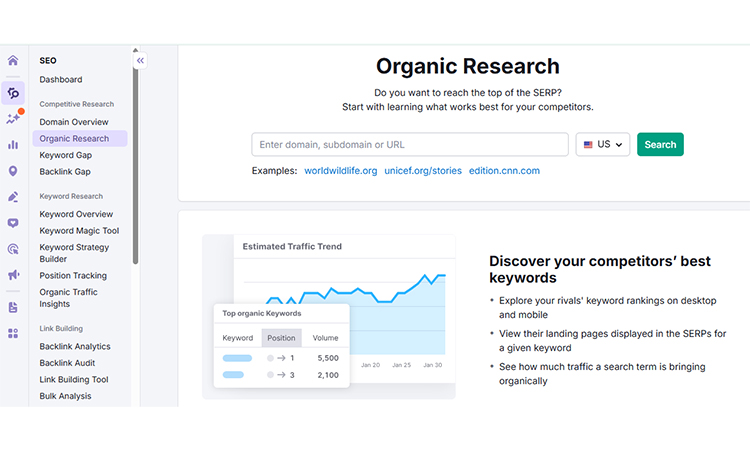
Moreover, you have to analyse what your rivals use in their ppc advertising. So you can use Semrush and Ahrefs to show exactly which keywords gain traffic to rival websites. You enter a competitor’s domain and instantly see their top-performing paid search terms.
Then you may look for keywords they rank for organically but don’t bid on—these represent opportunities. Pay special attention to terms where competitors spend heavily, as this signals profitability.
- Identify Long-Tail Keywords for Better Conversion Rates
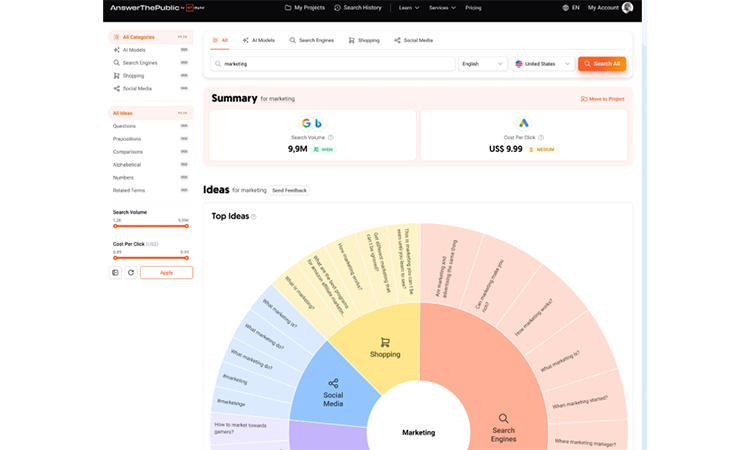
Long-tail keywords contain 3-5 words and attract highly motivated buyers. “Best CRM for real estate agents” converts better than just “CRM software” because it shows specific intent.So you can use AnswerThePublic to discover question-based keywords people actually search. These longer phrases cost less per click and face less competition. You capture users further down the sales funnel who know exactly what they need.
- Evaluate Commercial Intent with Keyword Modifiers
High-intent keywords include modifiers like “buy,” “best,” “compare,” “affordable,” or “reviews.” Someone who searches “affordable email marketing platform” will likely purchase soon. Then you can avoid informational terms like “what is” or “how to” unless you specifically want educational traffic. Most importantly, you need to sort your keyword list by intent level—transactional, commercial investigation, then informational.
- Organize Keywords into Tightly Themed Ad Groups
You must group related keywords together for maximum relevance. However,you can design separate ad groups for each product feature or customer segment. A 15-20 keyword ad group works better than a 100-keyword mess. This structure lets you write highly specific ad copy that matches search intent perfectly. Tighter themes improve your quality scores and lower your costs significantly.
- Set Up Negative Keywords to Block Wasteful Clicks
Negative keywords prevent your ads from showing on irrelevant searches. Add terms like “free,” “jobs,” or “DIY” if you sell paid products. Review search term reports weekly to identify new negatives. This simple step typically saves 15-30% of the wasted budget within the first month.
Step 4 — Create Ad Copy and Creatives + Dedicated Landing Pages Aligned with Ads
Your ad copy and landing pages must work together seamlessly to convert clicks into customers. This alignment determines whether your PPC for startups campaign succeeds or drains your budget on empty clicks.
Write Compelling Ad Copy To Attract High Quality Leads
- An Effective ad copy speaks directly to your audience’s main requirements. You need headlines that grab attention within seconds on search engine results pages.
- Then you can focus on benefits rather than features—show customers what they gain, not just what you offer.
- Your PPC advertising should include a clear call-to-action that tells users exactly what to do next.
- Then you may test multiple variations to discover which messages resonate best with your target audience.
- Numbers and specific claims can increase your online exposure. Instead of “fast delivery,” say “24-hour shipping guaranteed.” Your ad copy must match the keywords you target—this improves quality scores and reduces costs. Targeted advertising works when your message aligns perfectly with user intent.
Design Landing Pages That Match Your PPC Ads Objective
Your landing page continues the conversation your ad starts. Visitors should see the same headline, offer, and visual style they clicked on. This consistency improves legitimacy and reduces bounce rates immediately. A mismatched landing page confuses visitors and wastes your PPC traffic investment.
Remove navigation menus and distractions from conversion-focused pages. You want one clear path—sign up, purchase, or request a demo. Include social proof like testimonials, client logos, or case studies to validate your claims. Fast load times matter enormously—every second of delay costs you conversions.
Use Real-Time Data to Optimize Performance
The most data-driven campaigns require constant refinement based on performance data. Then you should track which ad variations generate the most conversions and allocate more budget there. Your digital marketing strategy should evolve based on detailed analytics, not assumptions. Automated bidding strategies help you optimize costs, but human analysis identifies why certain messages outperform others.
Test different headlines, images, and landing page layouts systematically. You gain immediate traffic with PPC, which means you collect valuable insights quickly. This rapid feedback helps you drive traffic more efficiently and maximize every dollar you spend on your campaigns.
Step 5 — Launch Small-Scale Test Campaigns
Your first campaigns need a cautious, data-focused approach. So you can start your start small to validate assumptions before you commit major ad spend to unproven strategies.
- First, you can begin with a daily budget of $30-50 per platform for your initial tests. This conservative approach protects your capital while you gather performance data. You focus on 2-3 high-intent keyword groups that target customers actively searching for your solution. Each ad group should contain 5-10 tightly related keywords and 3-4 ad variations to test different messages.
- Digital advertising provides immediate visibility that organic methods cannot match. Your test campaigns run for 2-3 weeks minimum to collect statistically significant data. Shorter tests lead to false conclusions because daily fluctuations skew results. You track every metric—clicks, conversions, cost per acquisition, and quality scores—to identify what works.
- The goal isn’t immediate profit but measurable growth in understanding your market. Which keywords convert? What ad copy resonates? Which landing pages perform best? These insights prove invaluable before you scale budgets.
- You pause underperformer ads ruthlessly and double down on winners. A keyword that generates leads at $40 each deserves more investment than one at $120. This disciplined approach transforms small tests into sustainable growth engines. Once you achieve consistent positive ROI for 30 days, you gradually increase budgets by 20-30% weekly while you monitor performance closely.
Step 6 — Monitor Performance — Daily/Weekly Check of Key Metrics (CTR, CPC, Conversion Rate, CPA, Etc.)
You need to monitor performance, which helps distinguish profitable campaigns from unsuccessful ones. You must establish regular monitoring procedures to spot problems early and expand on what works.
- Track Click-Through Rate (CTR) to Measure Ad Relevance
Your click-through rate reveals how well your ads resonate with searchers. A CTR below 2% on search campaigns signals weak ad copy or poor keyword relevance. You should check this metric daily during your first month, then shift to weekly reviews. High CTR reduces your cost per click because platforms reward relevant ads. Compare your CTR against industry benchmarks—B2B software typically sees 3-5%, while e-commerce averages 2-3%. Low CTR often indicates misleading data in your keyword selection or audience targeting.
- Monitor Cost Per Click (CPC) for Budget Efficiency
Cost per click shows what you pay each time someone visits your site. This metric fluctuates based on competition, quality score, and bid strategy. You need to track CPC trends weekly to spot unusual spikes that drain budgets. A sudden CPC increase often means competitors raised their bids or your quality score dropped. Smart bidding strategies automatically adjust CPCs, but you still verify the algorithm stays within profitable ranges. Your goal is maximum ROI, not the lowest CPC—sometimes higher costs deliver better quality paid traffic.
- Analyze Conversion Rate to Optimize Your Funnel
Conversion rate measures how many visitors complete your desired action. These core metrics reveal whether your landing page and offer match visitor expectations. A conversion rate below 2% typically indicates a disconnect between your ad promise and landing page delivery. You should segment conversion rates by device, location, and traffic source to identify weak points. Mobile conversion rates often trail desktop by 30-40%, which affects your bidding strategy. Moreover, you need to test different landing page elements weekly to improve this critical metric.
- Calculate Cost Per Acquisition (CPA) for Profitability
Your cost per acquisition CPA determines campaign viability. This metric shows the total cost to acquire one customer, not just a click or lead. You calculate the target CPA based on customer lifetime value and desired profit margins. Campaigns that exceed your target CPA need immediate attention or pause. Review CPA daily when you launch new campaigns, then switch to weekly checks once performance stabilizes. This vigilance prevents wasted spend on underperforming keywords or ad groups.
- Review Quality Score to Lower Costs
Quality score combines CTR, ad relevance, and landing page experience into a 1-10 rating. Higher scores reduce your CPC by up to 50% compared to competitors. You check quality scores weekly and prioritize improvements on high-volume keywords. This optimization represents half the battle in PPC success—better scores mean lower costs and better ad positions simultaneously.
Step 7— A/b Test Ad Copy, Landing Pages, Ctas — Pick Better Performers
Constant tests separate successful campaigns from failures. You discover what works through systematic comparison, not guesswork.
- Test One Element at a Time
You must isolate variables to get accurate results. Change only your headline, CTA button, or image in each test—never multiple elements simultaneously. This approach prevents misleading data that clouds your decisions. A startup that tests everything at once wastes budget on inconclusive results.
- Run Tests Until You Reach Statistical Significance
Your tests need adequate sample sizes before you draw conclusions. Wait for at least 100 clicks per variation and 7-14 days of data collection. Premature decisions based on 20 clicks lead to wasted spend on underperformers. Smart bidding algorithms also need time to optimize delivery across your test variants.
- Track Core Metrics Beyond Click-Through Rates
Click rates tell you half the battle—conversion rates reveal the complete story. Further, monitor your target CPA, conversion rate, and revenue per click religiously. A headline that boosts clicks but tanks conversions actually hurts your maximum ROI. Your CRM software should track which ad variations produce the highest-quality leads for your sales team.
- Scale Winners and Kill Losers Quickly
You allocate more budget to winning variations immediately once you confirm results. Pause underperformers without hesitation—loyalty to bad ads drains resources. This ruthless approach ensures your paid traffic investment flows only toward proven performers. Regular tests compound gains over time and dramatically improve your content marketing effectiveness.
Step 8 — How to Reallocate Budget for Maximum PPC ROI
Your budget reallocation strategy determines whether you scale profitably or burn cash. You need a data-driven approach that shifts funds toward winners and away from underperformers.
- Analyze Performance by Campaign and Ad Group
Review your core metrics weekly to identify top performers. Calculate cost per acquisition (CPA) for each campaign and compare it against your target CPA threshold. Campaigns that consistently beat your CPA goal deserve more investment. Conversely, you should pause or reduce spending on ad groups that generate wasted spend after reasonable optimization attempts.
Misleading data often hides in vanity metrics like clicks or impressions. Focus instead on actual conversions and revenue generated. A campaign with fewer clicks but higher conversion rates typically delivers better maximum ROI than high-traffic campaigns with poor conversion rates.
- Shift Budget to High-Converting Channels
Paid traffic sources vary dramatically in quality and cost-efficiency. Google Search might deliver leads at $40 each, while LinkedIn costs $120 per lead. You allocate more budget to the channel with better unit economics, even if the absolute volume seems lower. This reallocation represents half the battle in PPC optimization.
Smart bidding strategies help automate this process once you identify winners. Target CPA campaigns automatically adjust bids to hit your cost goals. However, you still need manual oversight to catch trends early.
- Integrate with Broader Marketing Strategy
Your PPC budget should complement content marketing efforts and CRM software data. Visitors to your website who interacted with your content but did not convert should be retargeted. This integrated strategy makes the most of every dollar spent throughout your marketing funnel.
What Are the New PPC Trends Startups You Must Know?
The startups should adapt to new developments to stay ahead of the competition and maximize their ROI in the ever-changing PPC environment. These new trends change paid advertising and provide competitive perks.
- AI-Powered Campaign Automation
Artificial intelligence now handles complex optimization tasks that once required hours of manual work. Google and Facebook’s AI systems adjust bids, placements, and audiences in real-time based on conversion likelihood. However, you still need human oversight—AI requires quality input data and strategic direction. The technology handles tactical execution while you focus on creative strategy and business goals.
- Smart Bidding Strategies
Smart bidding uses machine learning to optimize each auction automatically. So you can target cost per acquisition (cpa) and ROAS strategies, adjust your bids based on user behavior, device, location, and time of day. These automated systems often outperform manual bidding once you accumulate sufficient conversion data. Startups should start with manual bidding to understand their metrics, then transition to smart bidding after 30-50 conversions per ad group.
- Automated Ad Creation and Testing
Responsive search ads let platforms test multiple headline and description combinations automatically. Google creates up to 32,000 ad variations from your input and shows the best performers. This automation removes half the battle of traditional A/B tests—you no longer manually create and monitor dozens of variations. The system identifies winners faster and scales them immediately.
- First-Party Data Strategies (Post-Cookie Era)
Third-party cookies disappear, which means your own customer data becomes invaluable. Email lists, website visitors, and CRM data now power your most profitable campaign targeting. You must build robust first-party data collection through email capture, customer accounts, and consent-based tracking. This shift favors startups that prioritize direct relationships over anonymous traffic.
- Voice Search Optimization in PPC for Startups
Voice queries differ from typed searches—they’re conversational and question-based. Your keyword strategy needs natural language phrases like “where can I find affordable project management software” instead of “cheap PM tool.” Voice search optimization complements organic search efforts and captures users who prefer hands-free interactions.
- Video-First Advertising Platforms
YouTube, TikTok, and Instagram Reels dominate user attention. Video ads generate higher engagement than static images across all demographics. Startups no longer need Hollywood budgets—authentic, mobile-shot videos often outperform polished productions. Short-form content (15-30 seconds) drives brand awareness while longer formats educate prospects.
- E-commerce Integration for Product Startups
Direct shopping features eliminate friction between ad clicks and purchases. Google Shopping, Facebook Shops, and TikTok Shopping let customers complete transactions without ever leaving the platform. Product feeds sync automatically with your inventory, and running ads becomes simpler with dynamic product ads that showcase your entire catalog. This seamless integration reduces irrelevant clicks and increases direct sales from qualified buyers.
How to Combine PPC with Digital Marketing Channels for Maximum Growth?
- Platform diversification protects your startup from algorithm changes and market shifts.PPC data reveals which keywords actually convert customers before you invest months in organic rankings. You test keyword value immediately through paid campaigns, then prioritize SEO efforts on proven winners. This validation process saves countless hours and prevents content teams from chasing low-converting topics.
- Your PPC for startups strategy also captures immediate traffic while SEO builds momentum over time. Search ads dominate top positions even when competitors rank organically below you. Together, these channels control more real estate on results pages and increase total click-through rates significantly.
- Furthermore, you can use remarketing to bridge the gap between channels effectively. You retarget blog readers and organic visitors with specific offers based on their content consumption. A visitor who reads your pricing comparison article sees ads for a free trial, while someone who browses case studies receives testimonial-focused messages.
- Your landing page gets more visitors if you have strong SEO-optimized content. Moreover, blog posts, customer reviews, and case studies develop authority that generic sales pages lack. When prospects come in through advertisements, they find valuable sources. This integration transforms cold traffic into warm leads quickly.
What Legal and Compliance Issues Should Startups Know About PPC?
Following the law keeps your new business safe from fines, suspended accounts, and expensive cases. Before you start any work, you need to know these important rules.
- Ad Policy Compliance by Platform
Each platform has strict rules about advertising that say what you can promote and how you can do it. Google prohibits certain products like weapons and drugs, while Facebook restricts financial services and health claims. You need to review platform-specific guidelines thoroughly before you create ads. If you break the rules, your ads will be rejected, or your account will be banned forever. Healthcare startups face particularly stringent rules around medical claims and patient data.
- Privacy Regulations (GDPR, CCPA) Impact
Privacy laws fundamentally change how you collect and use customer data. GDPR in Europe and CCPA in California require explicit consent before you track user behavior. Your website must display clear cookie notices and allow users to opt out of data collection. These regulations affect your retargeting capabilities and conversion tracking setup. Non-compliance brings severe fines—up to 4% of annual revenue under GDPR. You should implement proper consent management platforms and update your privacy policies accordingly.
- Trademark Bidding Considerations
Competitors’ trademarks present a complex legal terrain. Google allows you to bid on trademarked terms, but trademark owners can restrict their use in ad copy. You risk legal action when you bid on protected brand names without permission. Some companies aggressively defend their trademarks through cease-and-desist letters. Therefore, you should focus on generic keywords rather than competitor brands unless you have explicit authorization.
- Claim Substantiation Requirements
Every claim you make in your ads requires verifiable proof. Phrases like “best,” “fastest,” or “guaranteed results” demand supporting evidence. The FTC scrutinizes advertising claims and punishes deceptive practices. You must maintain documentation that backs up your statements—customer testimonials, scientific studies, or performance data. Moreover, if your claims are exaggerated, then it may damage your trust and invite regulatory investigations.
FAQ’s
Ans. Most startups see initial data within 2-4 weeks, but real ROI takes 2-3 months. You need time to test ads, refine targeting, and optimize conversions. Treat the first month as a learning phase, not profit-generation.
Ans. Yes, PPC works perfectly without brand awareness. You target people based on their problems, not your brand name. Focus on high-intent keywords that address specific pain points. Your ads appear when customers search for solutions you offer.
Ans. Google Ads typically delivers the best results because it captures high-intent searchers. However, the right platform depends on your audience. B2B startups succeed on LinkedIn despite higher costs. Consumer brands find affordable options on Facebook or TikTok.
Ans. PPC delivers faster results—you get traffic immediately, while SEO takes 6-12 months. Use PPC to validate your market and generate quick revenue. Then invest in SEO for long-term growth. The best strategy combines both channels.
Ans. Startups lose money because they use broad keywords, target the wrong people, and don’t track conversions. Moreover, they send traffic to landing pages instead of homepages.
Many forget negative keywords and never test ad variations. Performance also suffers when you spread small budgets across many platforms.
Final Words Before We Wrap Up
So, at the end of our discussion of PPC for startups, you need to manage ads properly to attract more clients. Though SEO gives you the best organic search, PPC can provide immediate results and targeted traffic to your website.
However, you can run your PPC advertising on your own, but if you take PPC agency services, they can help optimize your campaigns for better results and provide valuable data on your target audience. Also, hiring a PPC agency can help you save time and money so you can focus on other ways to grow your startup.
If you want a good instant lead, then you should go with PPC advertising, as it can quickly generate leads and increase brand visibility.

