





PPC (Pay Per Click) Ads are considered one of the best options for getting high-quality leads. And when it’s about home service businesses, it’s a huge market itself. So, only relying on a traditional marketing strategy is not enough. Therefore, ppc for home services has become the must do to get more qualified leads.
PPC ads consist of various ad types; you should have a brief knowledge about all of them, so that you can make your decision which one you prefer most, in terms of getting quality leads. In this comprehensive guide, you will learn all the important steps of ppc ads, starting from fixing objects, keyword research, landing page, and ad copy optimization to tracking and evaluating your ad’s success. So come and let’s explore new home services marketing ideas, get more leads and phone calls.
Why PPC Is the Fastest Lead Generation Channel for Home Service Businesses?
Pay-Per-Click (PPC) marketing is a type of digital marketing strategy in which home service businesses like plumbers, electricians, HVAC companies, roofers, pest control companies, and cleaners only pay when someone clicks on their ad. These ads show up on search engines, maps, websites, social media, and video networks. So the service providers can quickly reach people who are looking for this service in their area.
For home services, PPC is more powerful because most searches are high-intent and urgent, such as “emergency plumber near me” or “AC repair today.”The PPC ads can target users by location, service type, time of day, and even call-only formats to reach local homeowners who are prepared to make a reservation.
Around USD 424.86 billion was spent on home services around the world in 2025. These services include maintenance, repair, cleaning, installation, HVAC, plumbing, electrical work, and more. It’s going to grow at a CAGR of about 8.9% and reach about USD 652.67 billion by 2030. To make a prominence in this competitive market, you need to implement ppc for home services.
- Instant Visibility & Targeted Reach- When the ppc ads go live, your target audience will be able to see your business at the top of search results. This will enhance your brand visibility and bring more traffic to your website. On the other hand, search engine optimization will take time to get your website to the top. So if you want fast results, you may choose ppc ads for home services.
- High Conversion Performance for Home Services— PPC campaigns in the home services industry far exceed many general PPC averages, with an average conversion rate reaching at 10.22%, according to industry benchmark data. So you should do proper ad optimization so you can get high-potential leads. Moreover, the research shows that an average cost per lead (CPL) for home services is in between of $29.08 to $101.49. It shows the cost predictability for budget preparation.
- Measurable ROI & Scalability- Recent studies and industry reports find PPC can deliver high returns on ad spend (sometimes 200%+) if your ppc ads are properly managed. It makes it easier to monitor exactly which keywords and ads generate leads. Home service businesses can quickly improve their efforts with this real-time data by raising their budgets during busy times (like summer for AC repair or rain for plumbing) to get more approved leads.
Why are PPC Ads Fastest for Home Services?
- Searchers have intent: Most people searching “emergency plumber near me” are often ready to book, not just browsing. PPC ads show up above competitors right away, so they get more clicks.
- Lead quality can be tracked: PPC helps you improve your targeting by giving you detailed metrics like clicks, calls, and form submissions. This speeds up the conversion process.
PPC for Home Services: 8 Proven Steps to Generate High-Intent Leads
PPC for home services needs a proper strategy, including determining objectives, and the best ppc advertising running platforms, searching for high-performing keywords, developing a negative keywords list, most importantly, the ppc ad copy, and how you can track ppc advertising. You can learn in this section, so you can design ppc advertising more perfectly.
Step 1 – Set Clear PPC Goals & Lead Quality Benchmarks
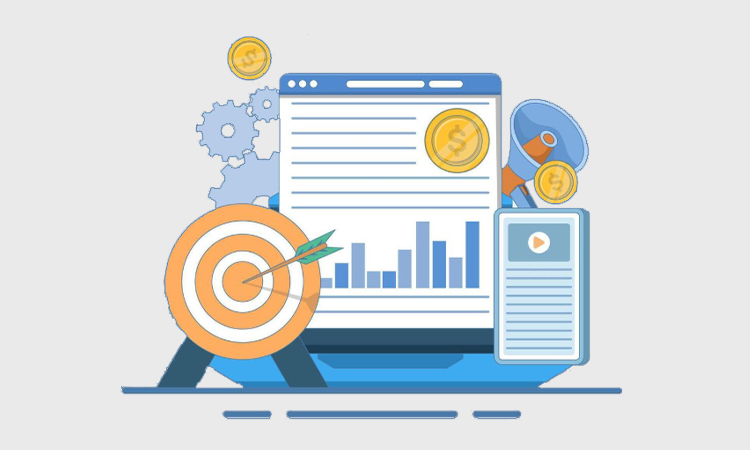
You will run ppc for home services, so your objectives should be clear. Objectives are what you want from these ppc marketing, like new clients, calls, and so on.
However, a perfect PPC performance is about daily leads becoming 1–2 new customers with quality work opportunities, not just traffic volume.
You can start with specific business objectives, such as cost per lead, conversion rate, booked job rate, and average job value. For instance, if you want to book two plumbing jobs every day, figure out how many calls or form fills you’ll need and the highest price you can charge for each lead while still making a profit.
Then you can apply precise targeting to attract homeowners who are ready to hire. The service-based keywords, such as “emergency plumber near me”, limit advertisements to actual service areas and plan campaigns for business hours when employees can respond to calls.
Step 2 – Choose the Best PPC Platforms for Home Service Businesses
To get better results from home services marketing, you need to choose the platform correctly. The best platforms to run your ppc marketing are very important. Here you can get an idea of where you can run your ads.
- Search Ads (Google Ads & Bing Ads)
When someone searches for a service, like “emergency plumber near me” or “AC repair today,” search ads will pop first. These users may decide to switch because they already require home services.
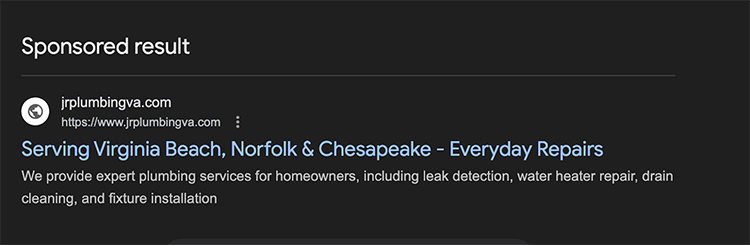
How these ads help:
- Take immediate advantage of demand.
- Focus on a city or service region.
- Show phone numbers and extensions.
- Manage expenditures according to service categories.
Best for: Immediate leads, booked jobs, and emergency calls.
- Local Services Ads (LSAs)
These PPc ads are highly efficient for local authorities. It will show up above regular search ads and regularly contain click-to-call buttons, reviews, and trust badges.
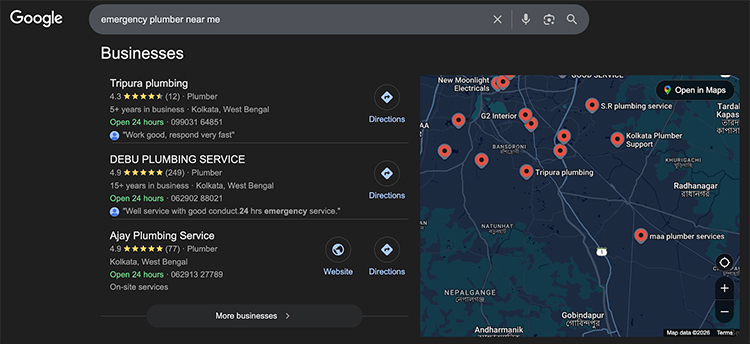
How Local Service Ads help:
- It will build authenticity and reliability.
- Generate phone calls.
- Pay per lead instead of per click.
- Take over the top screen space.
Best for: Trusted local contractors seeking premium visibility.
- Call-Only Ads
These ads are specifically designed for mobile users. It helps customers call with one tap—perfect for urgent repairs.
How they help:
- Cut down on booking friction.
- Work well during business hours.
- Ideal for emergency services
- High conversion intent
Best for: Plumbing, HVAC breakdowns, electrical issues, and roofing leaks.
- Remarketing Ads (Display & Video)
Many visitors don’t book on the first visit. So, remarketing ads will show those potential customers who visit your site but somehow did not book your services.
How they help:
- Re-engage past website visitors
- Promote offers or seasonal services
- Stay top-of-mind locally
- Lower cost than cold traffic
Best for: Increasing conversion rates and repeat visits.
- Social Media PPC Ads
Social media platforms such as Facebook and Instagram enable the targeting of homeowners based on demographics, interests, or location.
How Social Media PPC Ads help:
- Encourage the use of maintenance plans.
- Develop leads based on forms.
- Increase brand exposure locally.
- Support slow seasons.
Best for: Non-emergency services, promotions, and long-term growth.
Which PPC Ads Perform Best Overall?
For most home service companies, the top-performing combination is:
- Google Search Ads → capture active buyers
- Local Services Ads → develop legitimacy & top placement
- Call-Only Ads → drive instant phone leads
Step 3 – Conduct High-Intent Keyword Research for Home Services PPC
Keyword research is the most important step of home services marketing. What users type on search engines to find your services are called keywords. So you need to find out those most searched words and put them in your ppc campaigns. High-performing keywords help you attract more leads.
Step-by-Step Process For Keyword Research
1. You need to start by merging the service and location. Put your core services and geographic modifiers together to start. Examples: “emergency plumber Los Angeles” or “AC repair near me.” These indicate an immediate need.
2. You can focus on urgency. Like when your target audience can search when they need immediate service. So look for modifier words showing intent: “emergency,” “24/7,” “same day,” “urgent,” or “fast.” A search for “emergency roof repair” converts far better than “roofing tips.”
3. You should analyse what your competitors use. Tools like Semrush or SpyFu reveal which keywords competitors bid on. You should not just look at the number of searches; you should also look for patterns of commercial intent and high conversion potential.
You can search your keywords on Semrush to get a detailed keyword list-
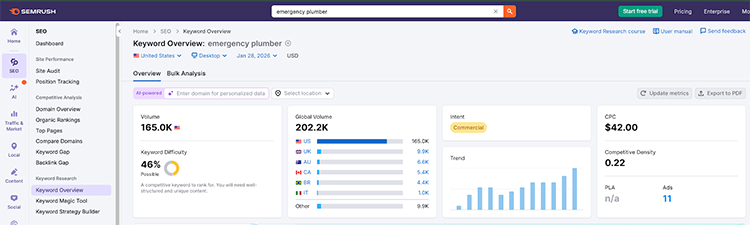
| Metric | What It Means | Simple Definition | Why It Matters for Home Services |
| Keyword Volume | Average monthly searches | How many people search for a keyword in a month | Higher volume = more demand, but often more competition |
| CPC (Cost Per Click) | Price paid for one ad click | How much Google or Bing charges when someone clicks your ad | Helps control budget and profit margins |
| SERP | Search results page | The page users see after searching on Google | Shows competitors, ads, maps, and ranking difficulty |
| KD (Keyword Difficulty) | How hard it is to rank | A score showing competition for organic results | Lower KD = easier to rank in SEO |
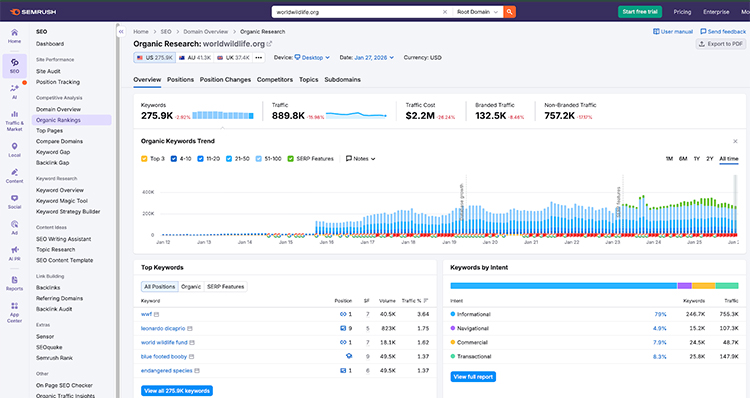
Furthermore, you can go to “Organic Rankings” to check which keywords your competitors are ranking, but you don’t. So filter out those keywords and add in your ppc ads. It will generate more leads.
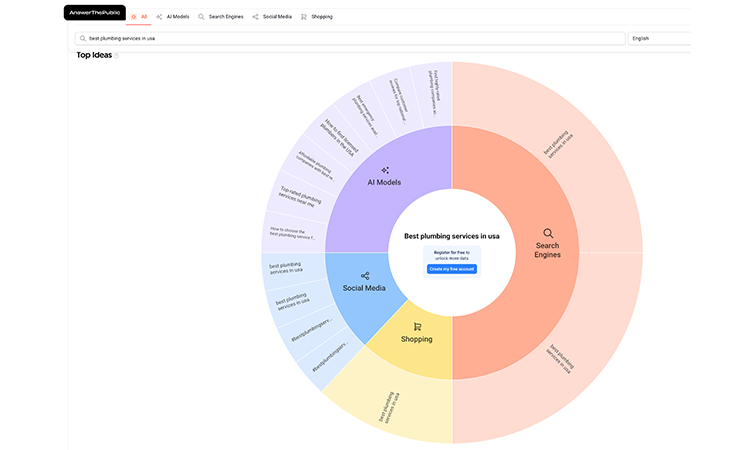
4. My question-based searches, “How much does [service] cost?” or “best [service] company,” indicate research-stage buyers close to deciding. Include these in your strategy.
You can take help from the Answer The Public keyword tool to get a lot of questions-
5. Try to add transactional keywords. Focus on action words: “hire,” “install,” “repair,” “replace,” and “schedule.” These always outperform informational queries in terms of ROI.
6. You should carefully look at the search intent. For each keyword, examine the real search results. They mean business if they show local service providers with booking options.
Step 4 – Build a Negative Keyword Strategy to Protect Your Budget
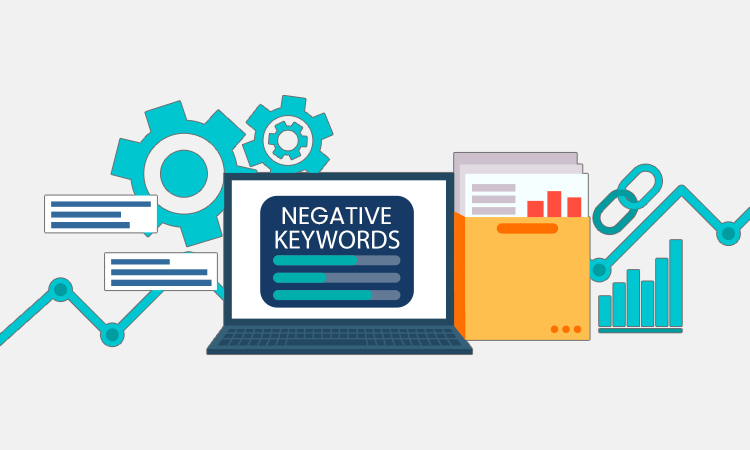
Many people did not know how to manage negative keywords in ppc ads. Therefore, they waste money on irrelevant clicks in Google Ads and Google Local Services Ads. So you should develop a negative keyword strategy to maintain your budget consistency.
Why This Matters for Home Services Marketing
Your plumbing company doesn’t want clicks from people who search “plumbing jobs” or “free plumbing advice.” These searches cost money but never convert. Home service businesses need protection from job seekers, DIY researchers, and freebie hunters.
Steps to Create Your Strategy
- First, you examine your search terms report in Google Ads. Then analyse the patterns in wasted clicks.
- Next, you categorize irrelevant terms: jobs (careers, hiring, employment), DIY (how to, tutorial, guide), free services (free, cheap, budget), and informational searches (school, course, training).
- Then, you add these as negative keywords at the campaign level. This blocks them across all ad groups.
- After that, you monitor weekly and expand your list continuously.
Step 5 – Write High-Converting PPC Ads That Generate More Leads
Your PPC ads compete for attention in crowded search results. The difference between a click and a scroll-past often comes down to how well you write your message for today’s search landscape.
Core Elements of High-Converting Ads
- Mostly google look for local results, so your ads must add city names, neighbourhoods, or “near me” variations. “Emergency Plumber in Brooklyn” is a kind of keyword that can rank better than generic “Plumber Services”. The location-specific keywords have strong search intent, as people are determined to get the service from a specific location. So it is more aligned with search intent.
- However, you get three headline slots—use them strategically.
Headline 1 is best for the service location.
In Headline 2, you can highlight the unique features (24/7, licensed, same-day) of your services.
When you want to add urgency or a guaranteed service, add this information at Heading 3.
- Then you need to give exact, precise information with professional yet simple language. Then, the addition of short prices and the opening hours can create differences.
- Furthermore, you can add Call, location, and sitelink extensions to increase click-through rates.
- Don’t forget to mention years in business, customer count, or review ratings. “500+ Five-Star Reviews” or “Trusted Since 1995”.It establishes expertise and authority.
The Testing Framework
It is required that you test one variable at a time. Then you may run two ad variations at once, change only the headline or offer, and then choose which one is going well. Home service campaigns should be constantly tested; what works in January might not work in July.
- Your call to action emphasizes the conversion rates. “Call Now for a Free Estimate” beats “Learn More” because it reduces friction and states the exact next step.
Step 6 – Create PPC Landing Pages That Turn Clicks Into Clients
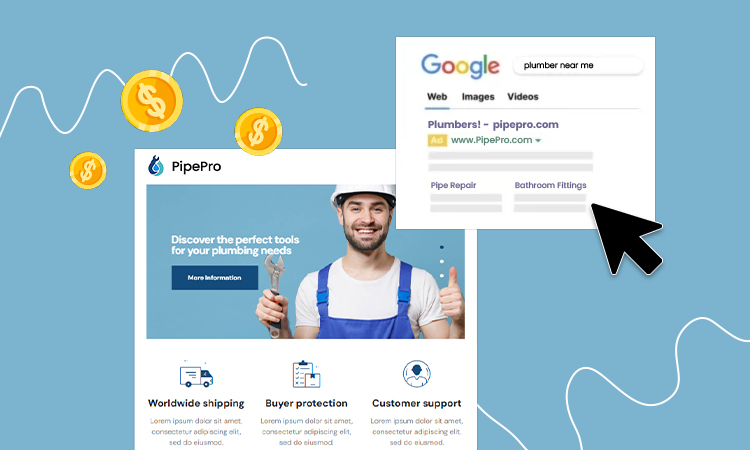
The landing pages are the dedicated pages that contain your exact services, charges, and contact information for potential customers to easily find you. To run a successful PPC ad campaign, you should design the landing page professionally.
A dedicated landing page converts 5-10x better than your homepage. The home page of your website consists of all the details, so clients sometimes get confused about the services. So the customized landing page can give exact briefs on what the audience wants.
Essential Elements Every Landing Page Has To Have
When someone clicks your Google search ad for “emergency plumbing,” they expect plumbing content—not a general contractor overview. This is what marketers call “message match,” and it tells you whether people stay or leave. That’s why you should make sure your ad message is clear.
Most people trust Google reviews. So you need to ask your satisfied customers to give online reviews. The real reviews and before-and-after photos are the main key. According to HubSpot, online reviews can increase almost 34% higher conversion rates.
The multiple options can confuse visitors, so the call to action should be one and clear. It should consist of one phone number, one booking form, and one goal.
Mobile-optimised landing pages are very important to capture new clients. So test your forms, buttons, and load speed on actual mobile devices. If the landing pages load slowly, then the PPC ad campaigns may suffer.
You need to add license numbers, insurance badges, and industry certifications to decrease suspicion. The 30-second introduction of a technician in video marketing works really well. It also helps to develop trust and reliability with potential clients. This personal touch can make a big difference in converting leads into customers.
However, Google Ads needs to know which landing pages generate quality leads. That’s why you should keep track of phone calls, form fills, and chat interactions every time.
Step 7—Establish Budgets, Bids & Geo-Targeting for Revenue
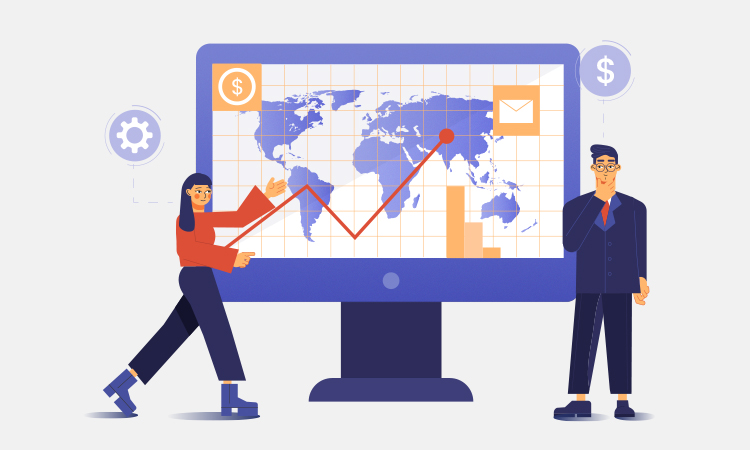
Home service businesses require planned control over every dollar spent on home services like plumbing services, HVAC, or electrical work. The profitability depends on three interconnected elements: budget management, bid optimization, and accurate geographic focus.
Funds should be allocated where the actual leads can be converted. The cost per click differs from service area and competition level. A $2 click in a rural market loses money, while a $5 click in downtown Boston makes $500. So the location is important where you spend money. You need to verify where you can get the most leads, so there you may devote more funds. This method is only particular to different businesses.
Important Tips Before You Start
- Spend a 30% budget to check how it works and from which area you get the most leads.
- After that, increase the budget as needed. You must test different lead generation strategies to perfect them.
- Conversion data shows which locations generate customers, not just calls. Remember to regularly examine your data to enhance your marketing efforts.
- The combination of location, demographics, and website visitors is important.
Step-by-Step Implementation
- Your business area should be very apparent to begin with. Then you develop a strategy for the precise ZIP codes where your business actually makes money.
- Next, you can set location-specific budgets. After the research, where you get the highest lead, allocate almost 60% of the budget there. Then you can start executing marketing campaigns targeted to those areas.
- After that, you set bid adjustments based on where they are. High-conversion areas get +20% to +50% bid hikes. For low-conversion areas, bid adjustments can be cut to -10% to -30%.
- After that, you look at conversion numbers once a week. The number of leads you get in each place shows you which ones really need to be turned off.
- Most importantly, you can modify your radius targets every three months. However, the interest in services like HVAC, gardening, and others can fluctuate with the times.
Power Tools for Optimization
- The Google Ads location data shows the cost per conversion by geographic area.
- CallRail monitors phone leads generated from particular locations and advertising.
- Google Guaranteed programs need different budget tactics than usual PPC.
Step 8 – Track Calls, Forms & Revenue With PPC Attribution Systems
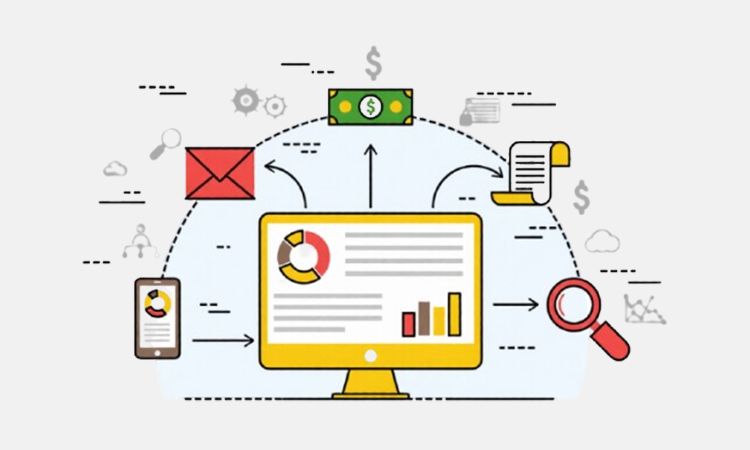
Only running PPC ads does not provide you with the optimal results. The perfect tracking of ads can give you the best impact. So there are various lead generation techniques, like calls. messages. So you need to follow an effective PPC attribution framework to measure the success of your campaigns.
The home service marketing needs clear proof of which ads get the most leads. The authentic data is the key to analyzing how PPC ads are going. Therefore, PPC ads get leads from phone calls and form fills.
Landing pages that use call tracking have variable numbers. Call tracking tools, like CallRail or Google Ads call reporting, keep track of the time, length, and source of each call, which helps you figure out how good a lead is.
Every form submission is linked to the exact ad click by form tracking. That’s how the marketing team can see which services bring in serious buyers. The most useful tools to optimize these form submissions are Google Tag Manager and GA4 events. Furthermore, CRM forms that send information about keywords and campaigns to reports are very helpful.
Revenue Attribution connects orders to ads in a CRM like HubSpot or Zoho. It helps in monitoring the performance of home service marketing campaigns. It also gives an idea of where to allocate revenue to specific ads.
Best Tips for Accuracy
- For accurate GEO knowledge, you should watch keywords and locations.
- The call recordings are very important to track the new leads.
- Owners should connect offline sales uploads in Google Ads.
- The attribution theories should be tested by marketers to prevent discrimination.
PPC vs SEO for Home Services: The Smart Growth Model
PPC vs SEO is a very common discussion among markets, and some people get confused. But in this competitive market, combining PPC and SEO is the best choice. With SEO, you can get organic clients and perfect keyword optimization, so the website can be ranked at the first page also. But PPC gives you instant visibility through ads. Like when your target clients need urgent services and type “best plumbers near me,” your brand can be at the top when you apply ppc ads and implement a correct search engine optimization strategy.
The following is the detailed comparison table of PPC and SEO. You can go through it to understand better-
The Complete Comparison Table
| Factor | PPC (Pay Per Click) | SEO (Organic Search) |
| Speed to Results | Immediate ads go live within hours | Slow 3 to 6 months for rankings |
| Cost Structure | Pay per click; ongoing expense stops when the budget ends | Upfront investment; compounds over time |
| Budget Requirements | $1,000–$5,000+ monthly for most markets | $500–$3,000 monthly for content and optimization |
| Traffic Control | Complete you adjust bids, targeting, and budgets instantly | The limited Google algorithm determines visibility |
| Keyword Targeting | Precise target exact match keywords with surgical accuracy | Broader rank for related search terms naturally |
| Conversion Rates | 3–8% average for the home services industry | 2–5% average from organic traffic |
| Cost Per Lead | $50–$300 depending on service and competition | $20–$100 after initial SEO investment pays off |
| Geographic Control | Exact target-specific ZIP codes and radius | Moderate local SEO focuses on the city/region level |
| Trust Factor | Lower users know these are paid advertisements | Higher organic rankings signal authority and credibility |
| Competitive Advantage | Temporary stops when the budget runs out | Durable rankings persist with maintenance |
| Best For | Emergency services, seasonal promotions, and new service launches | Long-term growth, brand authority, consistent lead flow |
| Tracking & Data | Excellent, detailed conversion data and attribution systems | Good requires a proper Analytics 4 setup |
| Scalability | Linear, more budget = more traffic directly | Exponential content compounds and ranks for multiple terms |
| Market Entry | Easy compete immediately with a sufficient budget | Difficult-established competitors dominate the top rankings |
| Quality of Leads | High when campaigns target bottom-funnel keywords | Very high organic searchers show stronger intent |
| ROI Timeline | Immediate, but stops when spending stops | Delayed but continues generating returns long-term |
The Smart Growth Model Strategy
Your company needs both marketing initiatives to wisely complement one another. Here’s how successful home service businesses allocate resources:
- Startup Phase (Months 1–6): You invest 30% of your budget in SEO structure and 70% in PPC campaigns to generate leads.
- Growth Phase (Months 7–18): When you see consistent traffic from both paid ads and organic rankings, you can change to a 50/50 split.
- Maturity Phase (18+ months): The cutback on PPC to 30–40% as SEO takes over and gives you long-term organic visibility. However, content marketing gives the optimal returns as per your budget.
Common PPC Mistakes That Drain Home Service Budgets
After running ppc ads for home services, you need to understand the common mistakes made by many of you. Here you can go through the base problem and how to solve these:
- No Negative Keywords Strategy
- The Problem: Many HVAC companies pay for clicks from job seekers, DIY researchers, and students. Searches like “HVAC training” or “free estimates template” destroy the budgets.
- The Solution: That’s why you build a negative keyword list. There are added terms like jobs, careers, DIY, how-to, free, cheap, courses, and schools. Mainly on search term reports, change this list once a week.
- Generic Landing Pages Instead of Service-Specific Ones
- The Problem: However, many home services companies do not create a separate landing page. So clients get confused on the home page. Because they search for a specific service.
- The Solution: The dedicated landing pages for each service type are required. This will improve the user experience and increase the chances of conversion. Most importantly, each landing page should be optimised for relevant keywords and provide clear information about the specific service offered.
- Ignoring Conversion Data and Call Tracking
- The Problem: Think of it like this: the dashboard shows 200 clicks monthly, but you do not have precise data on where they come from. Then how will you distribute the budget accordingly? So you have to determine specifically where the leads come from.
- The Solution: The tracking software, like CallRail or WhatConverts, helps you to analyse every lead. Each campaign gets individual phone numbers. Google Ads conversion pixels track form submissions and link closed deals to keywords.
- Poor Geographic Targeting
- The Problem: Suppose the service radius covers 20 miles, but ads show up to searchers 50 miles away. So you pay for clicks from unprofitable customers.
- The Solution: Therefore, you can take help from geotargeting settings in Google Ads to ensure ads are only shown to users within the chosen service radius. To reach high-converting customers, exclude non-target areas. This will help optimize the budget by avoiding wasted spend on irrelevant clicks.
- Set-It-and-Forget-It Campaign Management
- The Problem: Suppose you run a PPC campaign in January, and you never check these ads further. It can waste the budget on underperforming ads and also miss opportunities for growth and improvement.
- The Solution: The review performance should be reviewed weekly. Then check search terms, adjust bids on target keywords, and stop underperforming ads. The cost per click is subject to changes; however, early management ensures that you remain competitive.
- No Mobile Optimisation
- The Problem: Your landing pages load slowly on phones. Sometimes forms can not open on mobile phones, and buttons can be covered.
- The Solution: Therefore, you need to evaluate every landing page on actual smartphones. Make phone numbers tap-to-call. The ideal forms should be within 3-4 fields maximum.
- Competing on Brand Terms Only
- The Problem: You only bid on your company name. This catches individuals who are already aware of your business but somehow missed it.
- The Solution: You expand to service + location keywords like “emergency plumber [city]” or “AC repair near me.” These high-intent searches convert better than brand terms and capture new customer demand.
Frequently Asked Question
Ans. PPC for home services is a paid form of digital advertising where businesses show ads when people search for plumbers, electricians, HVAC repair, or cleaners in their area. You only pay when someone clicks on the ad, so it’s a cheap way to find people who want your service.
Ans. Yes, pay-per-click (PPC) is a great way for local service companies to get more customers because their ads can target specific areas, ZIP codes, and “near me” searches. Most of the time, people who search for these things need immediate help, which means that conversion rates are higher and bookings happen faster.
Ans. PPC costs depend on the service type and location. It usually costs more per click for emergency home services than for other services. However, well-optimised campaigns often bring in a lot of high-quality leads and phone calls.
Ans. They get high-intent search traffic, which is why Google Ads and Google Local Service Ads are the best at generating leads. You can use Meta Ads and Microsoft Ads for remarketing, increasing brand awareness, and getting cheaper leads that you can follow up on.
Conclusion
PPC for home services helps you to generate an endless number of leads. And these leads will turn into loyal clients. However, you have to maintain the ppc ads strategy with objective determination, and you have to choose the best platform to run your ads. And the budget is the most important factor in ppc ads, because when your budget runs out, your ads will stop, and it affects your lead generation.
So it’s a lot of processes you have to check, but when you get help from any ppc agency, it will make your ppc ads running process smooth. Also, it will save your time tracking the ads; you can focus on your home service business and give quality service to your clients.
Ready to grow your home service business?
Start with a focused PPC audit, launch campaigns in your top service areas, and track every call and form from day one. If you want faster results with fewer mistakes, you can partner with a proven PPC agency that understands local markets and profit margins.

