





Businesses invest heavily in their websites to drive traffic, but they often struggle to generate leads. But, they should understand that attracting visitors is just the first step — robust website marketing is essential for lead generation. It combines landing pages, content, SEO, and conversion rate optimization to boost the possibility of lead generation.
Businesses should strategize every page with clear value propositions, bold CTAs, mobile optimization, trust signals, etc. They not only improve user experience but prompt visitors to take quick action. Gartner reveals 67% B2B buyers prefer a rep-free experience. Let’s discuss more about various web marketing strategies that maximize lead generation.
What is Website Marketing?
Website marketing is the activity of using your website as an important tool to attract visitors and convert them into your customers. Whether it’s a home page or a blog page, every page of your website plays a crucial role in this. They guide visitors from browsing to ‘ready to buy ‘.
Being completely different from traditional marketing, website promotion serves its core purpose to pull people in. It relies on effective strategies like content creation, search engine optimization (SEO), and smart calls-to-action. These convert visitors into leads. If you do it properly, your website will work as a lead-generating tool 24/7. Let’s explore what website marketing includes:
- SEO
- Value-driven content
- Lead capture forms
- Landing pages
- Clear calls-to-action (CTAs)
- Conversion Rate Optimization (CRO)
Why Do Some Websites Fail to Generate Leads?
Most websites often generate vast traffic but fail to generate leads. And this is mainly due to website marketing strategy issues. The following are some other reasons why websites face difficulties turning visitors into leads:
- No Conversion Goal
A large number of websites are developed to look fabulous, not to convert. These websites neither have clear steps for the visitors nor a defined action the page guides them towards.
If you are not aware of what you wish a visitor to do on your website, they will either download a guide, book a call, or make a purchase. Every page of a website should have one primary goal.
- Not Able to Build Enough Trust
You can’t expect visitors to share their contact details on a website in the absence of trust factors. Some of these include case studies, testimonials, certifications, client logos, etc. You need to understand that trust signals are not optional. They are a deciding factor between a bounce and a lead.
- Weak CTAs
When you put calls to action (CTAs) like “Click Here” or “Submit”, they don’t encourage visitors to take action. These types of CTAs often fail since they don’t prompt visitors on why they will get it or what it matters.
Instead of “Submit”, you can include “Get Free Quote. This CTA is quite specific and benefit-driven and has more potential to get clicked. Apart from the CTA, its placement also matters a lot and should be visible to everyone, when it comes to website marketing.
- Long Contact Form
If your website has a long contact form that asks for too many details too soon, it scares off your potential lead. If your contact form asks for details like email, name, company size, phone number, job title, and budget to download a checklist, most people will avoid filling the entire form. Make sure you put in the contact form that asks only for the information that you truly need.
- No Lead Follow-Up Strategy
Generating a lead is just half of the battle you won. A large number of businesses gather form submissions and respond after some time. Besides, they also don’t have a foolproof plan for lead follow-up strategy. Many studies reflect that response time, even within the first couple of minutes, dramatically boosts the odds of conversion.
How to Convert a Website into a Lead Generation Machine
After talking a lot about website marketing, we will now discuss some powerful strategies that take your effort to the next level. Let’s explore these strategies:
- Create a Clear Value Proposition
One of the most common reasons why most websites struggle to generate leads is value proposition problems. This occurs because visitors don’t understand who the site is for, what it does, and why it’s apt for their specific situation.
Visitors often make decisions within seconds about whether they should keep visiting the landing page. If the first paragraph they read describes more about the business rather than your pain point, they will not think twice before leaving your page.

On the other hand, if the first thing they read directly explains their challenges along with the solutions, they will keep reading your content. It also maximizes the chance of conversion as well.
So, what an effective value proposition focuses on:
- One clear statement
- Short paragraph
- Problems you solve
- Who you solve your problem for
- What the final outcomes look like
- Why you are different from other alternatives
A clear value proposition in website marketing can be reality when your landing page fulfils the above conditions. It should use the language your majority of buyers use rather than your internal teams use for describing your products and services.
The fastest way to check whether your value proposition works is to show your landing or home page to those who have never seen your website. You can, in fact, ask them to describe what your business does and also whether it’s apt for them after spending some time. If they fail to answer both questions, it means you really need to work on a value proposition.
- Create Landing Pages for Your Core Services
If you rely on your ‘home page’ to sell your products and services, it’s indeed the biggest mistake and impacts negatively on your website marketing. This is the actual task of the landing page, which can do it well.
So, all you need to do is craft a dedicated landing page for each of the services you offer. For instance, a dentist in Las Vegas should not send their Google Ads traffic to the homepage of their website.
They need to create a separate landing page for every important service, like dental implants, teeth cleaning, cosmetic dentistry, emergency dentistry, etc. Make sure every landing page targets specific keywords and also mentions the core needs of visitors.
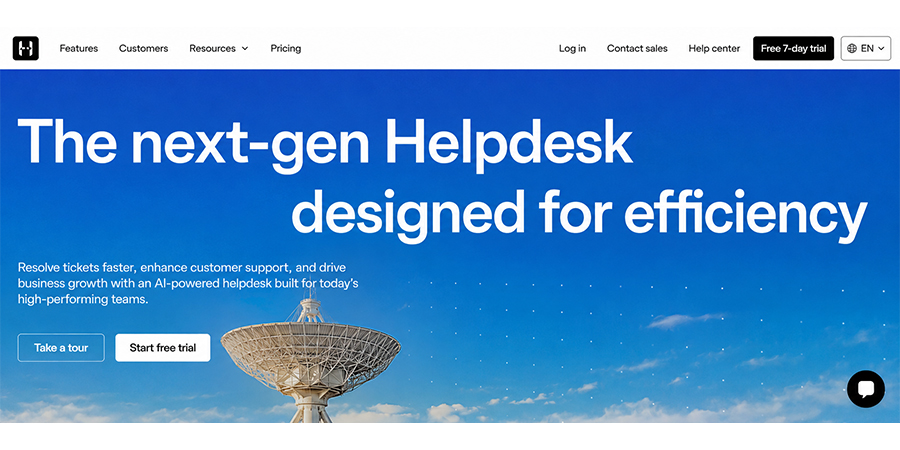
So, the question is: how would you create a good landing page? Well, you can do the same in the following ways to improve your website marketing:
- It should match the search intent. For instance, you can include “Emergency Dentists in Las Vegas”.
- Include a brief description of your services.
- Include important trust signals like experience, certifications, reviews, etc.
- Your contact number
- Your service area
Landing pages convert more compared to the home page, as they are built specifically for a particular service. If someone looks for what you offer and also lands exactly on the service in their city, it automates the conversion.
- Use a Short and Attention-Grabbing Contact Form
It’s another vital strategy for website marketing. When you make your contact form long by adding unnecessary boxes, it causes lead loss. It’s already tried and tested across a number of websites.
So, you need to keep focusing on making your contact form short and attention-grabbing. You can include a maximum of three fields, like name, contact, and email. You can also add a fourth section, “brief message”.
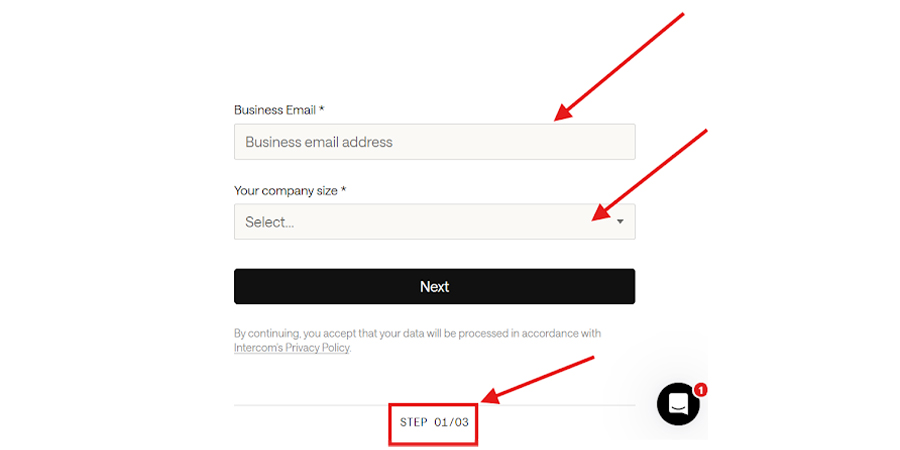
Apart from this, you can remove several sections as well to make the contact form more compelling:
- Dropdown menus
- How did you hear about us?
- Budget range selector
- Project description text areas
- Describe your needs in detail.
Always keep in mind that nobody is ready to write a long paragraph through their mobile phone. So, you need to get ‘contact details’ on the follow-up call. The main job of your contact form is to start the entire conversation rather than finish it.
- Make Your Website Mobile Friendly
Mobile search is growing by leaps and bounds. According to Statista, 95.82% of the overall global search engine market is mobile. So, it matters the most for website marketing. The number even goes higher in many beach communities such as Treasure Island, Madeira Beach, and others. Here, Tourists use their mobile devices to search and test your website on their mobile phones now.
They just try to find your mobile number and then contact you for your services. They fill out the contact form with the use of your thumb. They go through your service descriptions without zooming.
So, if visitors face difficulty with any of these actions on your website, you will definitely lose mobile leads every single day. You can implement the following elements to make your website or landing page mobile-optimized for betterment of web marketing:
- Keep the contact form with a big submit button and large input fields.
- Phone number in the clickable and header with one tap.
- Ensure text readability without zooming.
- No horizontal scrolling on any screen size
- Buttons with the fewest tap targets
A website that functions well on mobile and on desktop will definitely outperform a website that looks perfect on desktop but doesn’t work on mobile.

- Create Powerful and High-Intent Content That Converts
One thing you need to understand is that your blog doesn’t help with SEO only, but it also serves as a lead generation channel and thus helps in website marketing. Every blog post that ranks for relevant keywords often brings vast traffic to your website who actually need your service. The post not only educates the visitors, but also the CTA at the bottom converts.
Those of top-performing blog content for lead generation even answer those questions your customers ask before they buy your products or services. For instance, your blog should be based on real searches like “What is the best time to service your AC? What will be the cost of a new roof in Florida?
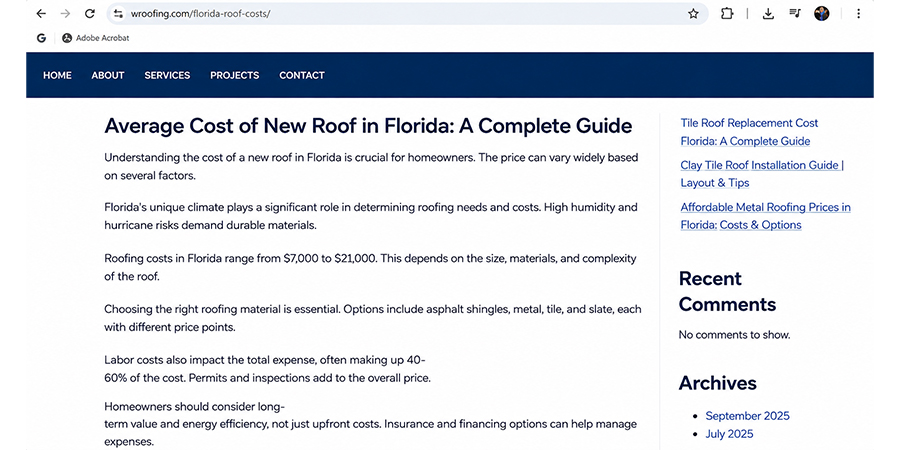
Your blog should be based on answering these questions with your expertise. Make sure it has a proper call to action like “Contact Us for Free Consultations”, “Need Help with this”, etc. These blog posts rank easily in Google and generate a high volume of traffic for months or even years.
- Put a Bold Call to Action on Every Page
This is indeed one of the major differences between websites that don’t generate leads and those that generate leads. Every important page of your website needs to guide visitors on exactly what to do next.
As one of the vital elements of website marketing, CTA is not only important for the ‘Home Page’ of your website, but it’s also important for many other pages like service pages, the about page, blog posts, and every important page. The reason is that you don’t control which page of your website visitors land on from search engines.
Someone who searches for “AC Repairing Services” may land on your AC repair service page. Those who search for “how to maintain an AC unit” may definitely land on the blog post. Both of these visitors require a clear path to consult you.
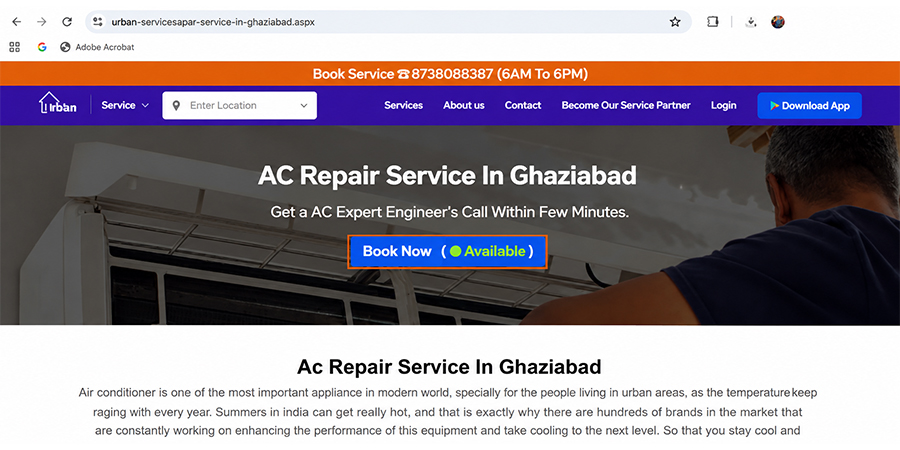
Any page without a call to action is indeed a dead end. The visitors read your notes, content, close the tab, etc. Any website page with a clear CTA converts your nod into a phone number.
- Offer Live Chat for Immediate Assistance
Not every visitor is interested in contacting you or filling out your contact form. So, people want quick assistance to resolve their queries regarding your services. Live chat works effectively in this situation and thus helps maximize the chance to make your website marketing successful.
It prevents you from needing staff 24/7 for customer assistance while answering their queries fast. The majority of live chat tools allow you to set your business hours and respond in real time.

When visitors spend some time in chat, it suddenly becomes a contact form. It captures important details like email, name, and questions for you to follow up.
For the free option, you can opt for any of the following:
- HubSpot Chat (Free Tier)
- Tawk. to (completely free)
- Tidio (free and basic use)
You need to first install your widget, set your hours, and then start capturing leads from those visitors who have already left a phone call or form submission. The more additional ways you provide your visitors to contact you, the more your lead volume increases. Some of them prefer calling and chatting, whereas others prefer form submission. This helps you achieve the core objective of your web marketing.
- Showcase Social Proofs and Trust Signals
If a person visits your website for the first time just because they found you on Google, you need to give a reason why they trust you. Especially if they are not familiar with your brand. So, adding trust factors becomes necessary. The following are some powerful trust signals you can consider adding for a successful website marketing:
- Years of experience in business
- Google reviews and ratings
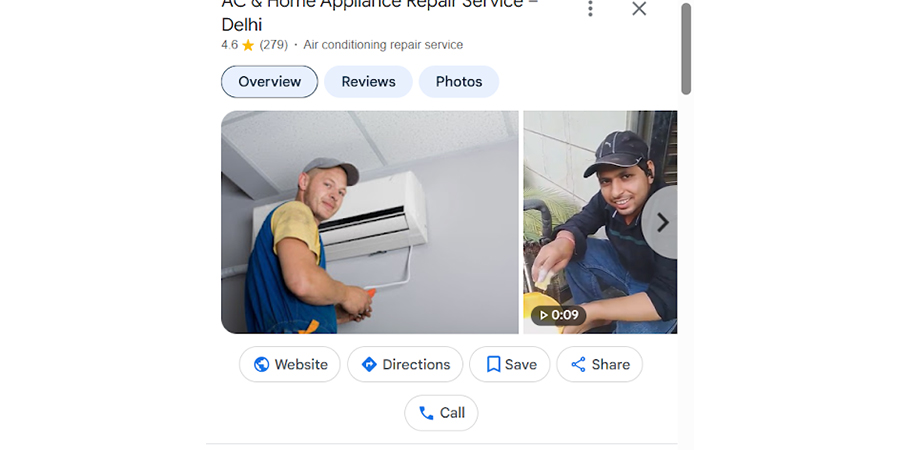
- Real photos of your team, offices, locations, celebrations, etc.
- Licenses and certifications
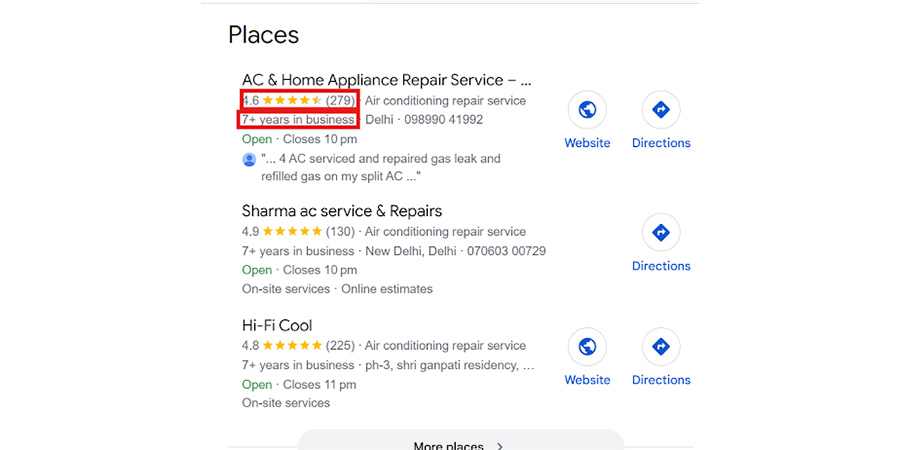
You can place various trust signals near your CTA. So, when a visitor comes across 4.9 stars, licensed, 87 reviews, insured, and 5+ years of experience in their view, they take the next action to contact you.
- Improve Loading Speed of Your Website
Even a second delay in page load can impact conversion by 7%. And even more delay leads to losing most of your mobile visitors. They will neither read your headline, mobile number, nor services. They leave mainly because your website was slow.
For a local business, speed is something that matters more than for e-commerce. Your visitors are mainly on the go, mobile, and also often compare to competitors simultaneously. On the other hand, if your website loads in just two seconds and your competitor’s site loads in five, you will definitely get a call.
There are many important factors that affect the speed of a business site and thus impact adversely on webmarketing. Some of these factors are as follows:
- Uncompressed images
- External scripts loading before your content
- Bloated WordPress themes with 30 plugins
- Cheap shared hosting
You can resolve all these issues to improve the speed of your site, which is crucial for your website marketing as well. You can run your website through Google PageSpeed Insights. If your website got a score below 70, speed costs you leads every single day.
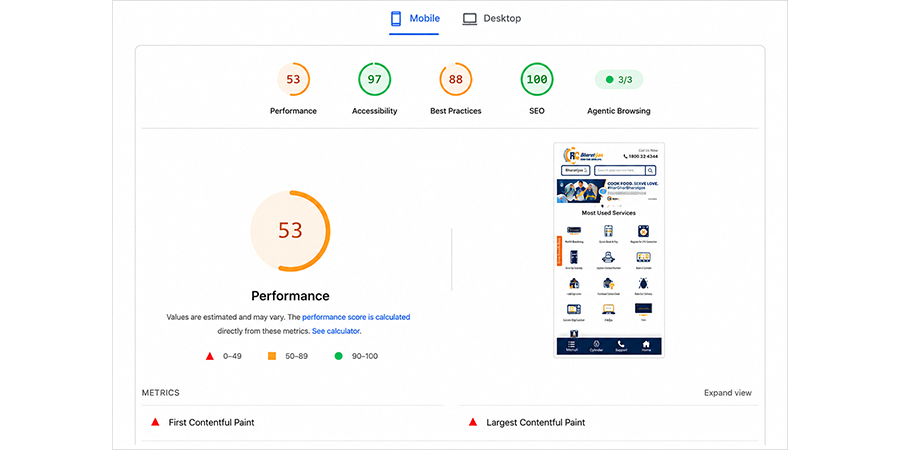
You can see the above image reflects the score is below 70. It means the website doesn’t generate enough mobile leads.
- Search Engine Optimization (SEO)
SEO plays a leading role in website marketing as it makes your site capable of attracting users who search for your products and services actively. Meanwhile, the major objective should be to generate traffic from every possible and important keyword. Rather than, you need to focus on those of intent-based and relevant keywords that bring those visitors who have the possibility to become potential leads.
So, you need to optimize landing pages, service pages, and blog content across these keywords while maintaining natural and useful content. Apart from this, you also need to improve the following important things:
- Page titles
- URLs
- Headings
- Meta descriptions
- Internal links
These are useful elements to make your website pages more relevant to any search queries. For a local business, local SEO works effectively to entice customers looking for services in a particular location.
When your website generates organic traffic through SEO, many important elements guide them towards conversion. These include landing pages, CTAs, contact forms, trust signals, etc. They guide visitors to buy your products and services. This makes SEO an important part of website lead generation.
To get maximum search engine optimization and maximize lead generation capability, you can get in touch with professional SEO services that can optimize your website for relevant search queries, improve its visibility, and align its SEO strategy with your overall website marketing goals.
- Set Up Conversion Tracking
You will not be able to improve when you don’t measure. If you are not aware of how many leads your website generates, you will not be able to improve your website marketing. You will not be able to know where your leads come from and also which are the pages that convert.
So, you need to focus on tracking important metrics to gather the important insights. The following are the metrics you can track:
- Phone calls: You can use call tracking to determine which traffic sources and pages increase phone calls. Google Ads includes built-in call tracking.
- Form submissions: You can create a thank-you page that appears after an individual submits your contact form. You can analyze visits to that page as conversions in Google Analytics.
- Click-to-call taps: On mobile, you can analyze someone tapping your contact number. This is just a Google Analytics event that takes only 5 minutes to set up.
- Importance of Conversion Rate Optimization (CRO)
Well, CRO is the process of enhancing various website elements to encourage a larger percentage of visitors to take the necessary action. For example, if any of your website pages generate a significant amount of traffic but generate only a couple of leads, you need to optimize the headline, CTA, page layout, contact form, etc. After this, you will be able to compare the results to understand which changes generate higher conversions.
Once you gather at least 30 days of data, you will be able to know the actual sources of lead generation. After finding those pages that convert, you need to double down on them. You can also resolve issues with those pages that don’t convert.
Some Common Mistakes to Avoid
Even a well-strategized website can fail to generate leads as per your expectations due to several mistakes, which ruin website marketing. Some of them are as follows:
- Use of Generic Keywords
When you target generic and broad keywords like “best software”, “marketing tips”, etc., they may definitely bring traffic but not the right traffic. These terms often lure browsers rather than buyers, and competing for them is indeed a losing battle against popular brands.
Solution: You should always focus on intent-based and specific keywords that are based on what your ideal customers search for. It’s also a good idea to use long-tail keywords that convert easily since they match real buying intent.
- Avoiding Social Proof
There are several websites that avoid reviews, testimonials, and case studies. The reason is they think their service or product can speak only for itself. But visitors are generally skeptical. If your website doesn’t have enough proof, visitors will not take the required action.
Solution: You need to add client logos, short case studies, and star ratings throughout your website, especially near service pages or pricing.
- Creating Excessive Long Form
Long-form content is always good for SEO. But when you create content articles with unnecessary sections only to increase a word count often makes content tough to read and less useful. It leads to visitors losing patience and thus leaving before reaching CTAs.
Solution: You should always give preference to clarity over length. You need to include only necessary sections to gather information regarding your potential customer. Make sure everything you want to gather adds real value to users.
- Focusing Only on Website Traffic
Many businesses often focus on traffic numbers, and they think getting a high number of visitors is an important success metric. Even if your website generates high traffic, your business will not grow unless it generates leads.
Solution: You should always prioritize conversion rate along with your traffic. A well-targeted and smaller audience that always converts better will definitely outperform an unqualified and large audience once every time.
- Using Many Popups
Popups can be effective only when you use them in moderation. But when you overuse them with too many on top of each other, they may frustrate users as well and thus drive them to stay away. Using aggressive popups often harms the user experience.
Solution: It’s advisable to use popups in moderation, with a relevant popup per page. It should be based on behaviors like scroll depth or exit intent.
- Not Tracking Conversions
If you are not spending time on conversion tracking, you are just staying away from important metrics. You will not be able to know which campaigns, pages, or even keywords drive leads. So, you will not be able to double down on what works.
Solution: All you need to do is to set up conversion tracking through your CRM and Google Analytics. It ensures every lead can be analyzed back to its source, and every strategy can be analyzed based on real metrics rather than just guesswork.
FAQs
Ans. Yes, website lead generation works in the most effective way for B2B businesses. A fully optimized website builds trust, attracts relevant prospects, and converts visitors into qualified leads through clear forms and CTAs.
Ans. Yes, website design impacts the quality of the leads that a business generates. A well-designed website always attracts visitors who are really interested in your products and services.
Ans. A new website takes anywhere from a couple of weeks to several months to generate leads. Its results rely on content quality, SEO, website experience, competition, marketing efforts, etc.
Ans. The pages that generate most of the leads are mainly landing pages, service pages, content pages, product pages, pricing pages, intent-based blog posts, etc. These pages address the actual needs of users and thus encourage visitors to take the required action.
Ans. Well, you can review your lead generation strategy quarterly, but reviewing performance should be done on a monthly basis. You should make fast and appropriate changes, especially when conversion rates, lead quality, market trends, customer behavior, etc., change significantly.
Conclusion
Your website has the vast capability to be one of the most effective tools to generate leads, but only if it’s created with a proper plan and strategy. Whether it’s trust-building content, clear conversion goals, or proper tracking, every crucial element of a website plays a vital part in turning casual visitors into real business opportunities.
You need to follow the required conversion checklist, avoid common pitfalls, and consider your website as an ongoing strategy instead of just a one-time project. Partnering with a web development company to create a conversion oriented website and take your website marketing to the next level with the right strategy.

