





Today, customers most often talk about brands by sharing their opinions, preferences, experiences, complaints, etc. With over 5.4 billion social media users, this conversation indeed matters a lot for a brand. But, it’s also vital for them to know what people actually say and the reasons why they are saying it. This is where social listening matters.
It helps businesses analyze everything properly, whether it’s conversations, trends, sentiments, or competitors. And these are some important factors to overview and convert into actions to make an unmatched marketing decision while strengthening brand reputation in the competitive market. In this blog, we will discuss more about social media listening and the right strategies to take your marketing and brand reputation to the next level.
What is Social Listening?
Social listening is a process of gathering and analyzing conversations across various social media platforms to draw meaningful insights into a product, brand, industry, competitor, or relevant topic. It enables businesses to find customer opinions, potential issues, and opportunities to redefine their marketing strategies. It helps them understand the following things:
- What your customers need
- When your audience is active
- How to serve your audience better
The entire process is much more than just responding to any comments or even counting mentions. With social listening, businesses can easily understand the sentiment, meaning, patterns, and context behind these social conversations.
It enables you to get an actual view of users about your brand and also your competitors. This information is not just limited to knowing customers’ concerns but also to making the right decisions related to your products, advertising, marketing, customer experience, and more.
How is Social Listening Different from Social Monitoring?
Social listening is often used interchangeably with the term Social Media Monitoring, but they are not exactly the same. Social monitoring involves tracking comments, mentions, conversations, messages, etc., related to a brand.
On the other hand, social media listening is a step ahead and involves analyzing these conversations to collect customer expectations, sentiment, emerging trends, competitor insights, etc. Let’s go through a detailed comparison of both:
| Factors | Social Listening | Social Monitoring |
| Major Focus | It involves overviewing conversations for context, sentiment, and intent. | It includes the process of checking brand mentions,likes, hashtags, etc. |
| Time-Frame | It’s an on-going process and also trend-based analysis with the time. | It’s mainly reactive and real-time tracking. |
| Purpose | It includes long-term marketing and also reputation strategy. | Its actual purpose is to respond to any complaints or individual mentions. |
| Data Used | It uses both qualitative and quantitative data. | It uses mainly quantitative data, including volume of mentions, engagement, and reach. |
| Scope | It reveals industry trends, audience behavior, and competitors. | It’s used for finding brand-specific keywords. |
| Outcome | Its final outcome involves strategic shifts, including product changes, campaign ideas, and positioning. | Its final outcome includes quick fixes through replying to any query or complaint. |
Importance of Social Listening for Brand and Reputation
Social listening gives businesses an idea about customers, competitors, the market, etc. It allows them to have a wider view of these conversations in-depth and thus plan well for improving their marketing and brand reputation. Let’s take a detailed look at the importance:
- Helps you keep an eye on Competitors
You will be able to know the actual performance of your brand only through the real story revealed by your customers, rather than your own assumptions. When you go through the conversations across your competitors, you will be able to get an idea of what audiences appreciate about your brand and where your rivals fall apart.
This gives you a better opportunity to grab a complete opportunity to improve your strengths while minimizing the actual gaps that your competitors have not addressed yet. It helps you do everything based on real needs.
- Discloses Market and Industry Trends
Every trend starts with conversation. As far as social listening is concerned, it allows you to catch major shifts in various ways, like customer language, industry-wise sentiment, emerging product expectations, and more.
This way, you can easily pick up these signals early, which help you plan your campaigns, offerings, and even messaging accordingly.
- Reveal Emerging Brand Opportunity
You will get some of the most effective marketing ideas from real customer conversations. Customers quite often find a new method to use any product, ask for a feature repeatedly, or even highlight something that your competitors may be missing.
Social conversations allow you to grab these kinds of opportunities and then convert them into a completely new content idea, partnership, or methods to reach target customers.
- Makes Marketing Customer-Centric
When it comes to traditional marketing, it often focuses on what brands have to say. On the other hand, social listening is completely different from this approach and focuses on what customers have to say, feel, and also expect.
This shift is quite beneficial for businesses and helps them create campaigns, messaging, and tone around real pain points and customer language rather than any internal assumptions. This ensures marketing is less promotional and more relevant.
- Connects Marketing and Reputation
Both reputation and marketing are managed separately. But social media listening works effectively to minimize the gap between these two. The conversation that reveals campaign opportunities also unveils various reputation risks like PR concerns, growing complaints, changes in public sentiment, etc.
So, it gives a business an enormous opportunity to use these important details to change their brand messaging based on how people see it.
Top Social Listening Strategies to Improve Your Marketing and Reputation
According to Grand View Research, social media listening marketing is expected to increase from $11.7 billion in 2026 to $20.2 billion by 2030, which will grow at a CAGR of $14.3% from 2025 to 2030. It reflects that social media listening has a lot of potential to help brands grab more opportunities. We have discussed below some of its most effective strategies that you can consider to harness:
- Monitor Brand
When it comes to social media listening, the first and foremost thing to do is to monitor your brand. You need to do brand monitoring beyond your actual brand name. It involves tracking the following important factors:
- Common misspellings
- Product names
- Executive names
- Branded hashtags
- Old campaign slogans
A large number of brands often commit mistakes by tracking only those mentions where they have been tagged directly. And they often avoid those conversions where customers mention them indirectly or through their nickname.
We can take an example of Nike, which not only keeps an eye on its official handle but also tracks campaign hashtags, including #JustDoIt, and casual mentions such as “the Swoosh brand”. This approach is good for getting a complete picture of brand visibility. From analyzing performance to early indicators of potential crisis, it helps you track everything.
- Select the Right Channel
One thing you need to keep in mind is that every social platform has its own relevance when it comes to hosting different types of conversation. So, when you treat them all the same, it definitely wastes your budget while making your insights useless. Let’s go through examples of different social media platforms:
- Reddit: The conversation on this platform is longer but research-based and candid. So, going through this platform helps you get more unified opinions.
- Instagram and TikTok: These platforms are the best options to reach young audiences who react fast and also for visual discovery.
- LinkedIn: The conversation on this platform is meant to be more professional and beneficial for thought leadership signals and B2B trend-spotting.
- X: Earlier popular as Twitter, X is well-known as a fast-moving social media platform. It’s the best place for exploring breaking news, quick reactions in real time, and customer service complaints.
So, focusing on the right platform for conversation depends on the type of business and product you sell. For instance, if your business sells enterprise software and targets TikTok, you will not gain impressive results. You should always target those platforms where you gather, and thus make your resulting information sharp and more actionable.
- Select the Right Social Listening Tool
You need to always take into account that every important social platform has a search engine. But, when you explore a number of posts to gain some useful insights often is a time taking process. It also requires a lot of effort as well. This becomes highly difficult, especially when you engage a lot on social media.
This is the reason why investing in the important social listening tools helps you improve your online conversation tracking. It also helps you gain important insights even without spending a huge amount of time.
So, now, you may be thinking about the best tools to leverage it, right? Well, we have discussed the following important tools:
- Answer The Public
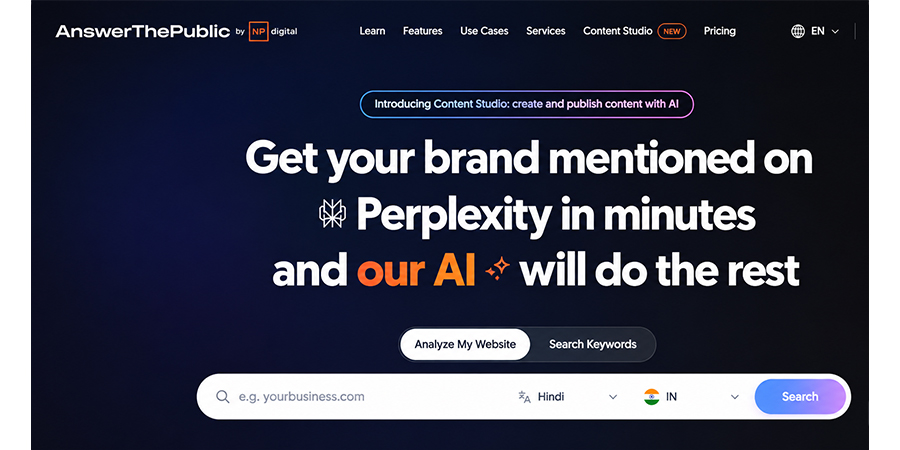
If you are looking for a free social media conversation tool, Answer The Public can be the right option for you. With the free option, you will be allowed to perform three searches every day. It includes certain specific options to select between different social networks and visualize what your audience asks online. It’s certainly the best option to understand the pain points of your audience.
- Exploding Topics
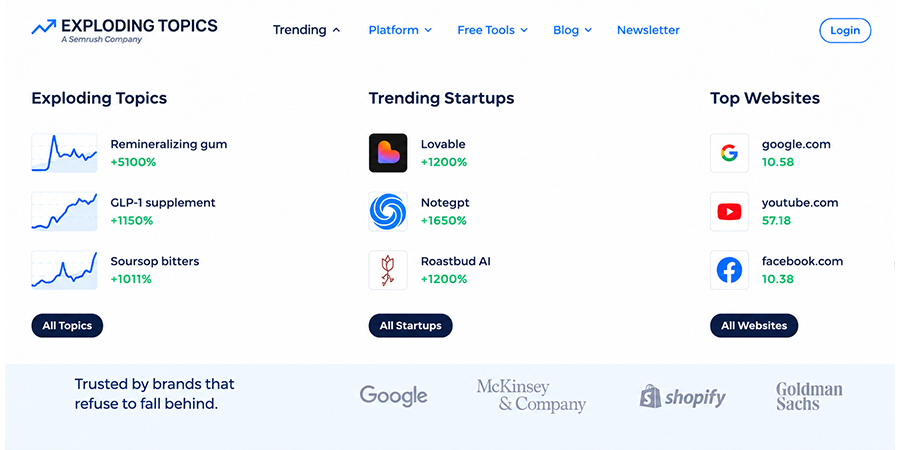
It’s another social listening tool that helps analyze vital trends. You will be able to immerse yourself in online conversations before they become viral and also use them when it comes to informing your entire social strategy.
- Brand 24
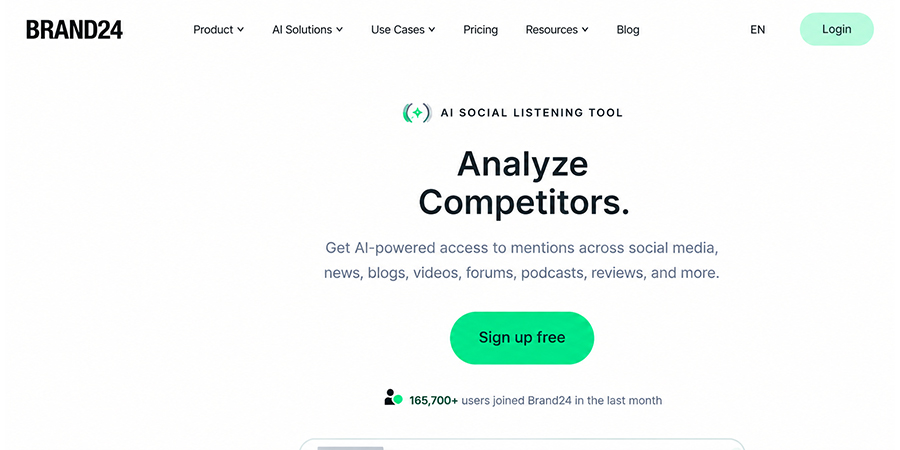
It’s another significant tool that can be perfect, especially when you seek a platform that offers insights from not only social media but also from forums, blogs, and podcasts. Brand24 is, of course, a perfect tool when you harness social conversations for tasks like market research.
- YouScan
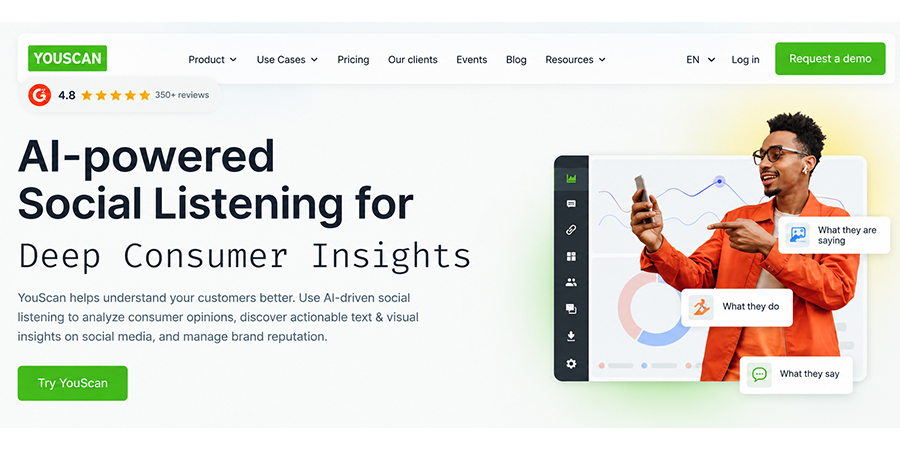
YouScan comes with image monitoring potential. It helps you discover your brand logo in the wild and thus never miss any mention of your product. It helps you identify duplicates. Meanwhile, the major issue with this tool is its price. So, you need to use this tool only when you miss relevant mentions.
- Know Your Customers
During surveys, customers say only what they are being asked. On the other hand, social listening reflects what customers have to say on their own. Everything they say about any brand is their natural thinking and perception, which is indeed quite close to the truth.
So, now the question is: where to find these conversations and thus know your customers? Well, it depends on factors like industry and audience. Let’s explore certain useful sources as follows:
- Online Forums: You can access popular online forums and communities to learn what people say about your products, buying experiences, issues, etc. Some of these popular platforms include Reddit, Quora, etc.
- Social Media Platforms: Top-notch platforms like Facebook, Instagram, LinkedIn, X, and others help you explore comments, brand mentions, customer opinions, discussions, etc.
- Review Platforms: You can access some top-rated review platforms such as Trustpilot, Google Reviews, G2, and others. These platforms are the best sources to understand product expectations, recurring complaints, etc.
- Competitor Channels: You can keep an eye on your competitor’s conversations to understand the preferences, expectations, and dislikes of customers.
- Blog Comments: You should read comments to explore discussions related to competitors, brand, products, industry, etc.
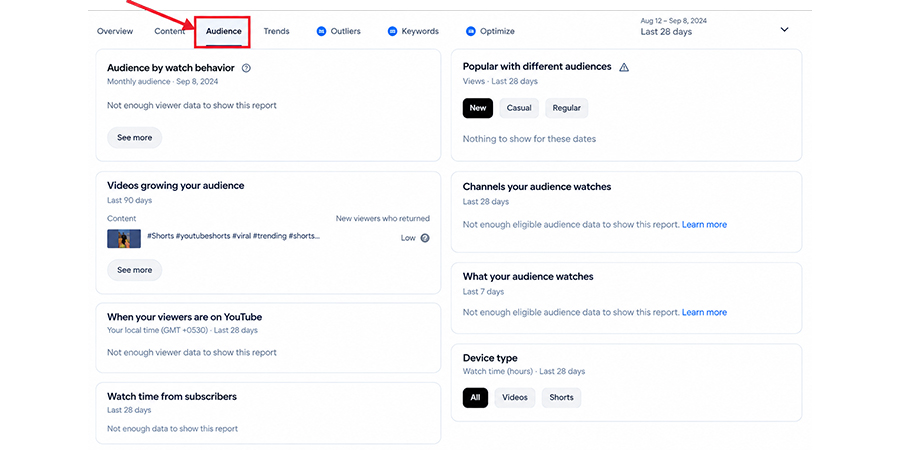
So, you can use the following conversation data to create living customer personas:
- Language customers use
- Their frustrations
- Things that convince them to buy products
- Where they spend most of their time
Since this data evolves constantly, you need to define your customer personas accordingly. We can take an example here of a leading music streaming brand, “Spotify”. They have collected listening data along with streaming behavior to craft their entire campaign named Spotify Wrapped.
How to Analyze Customer Sentiment?
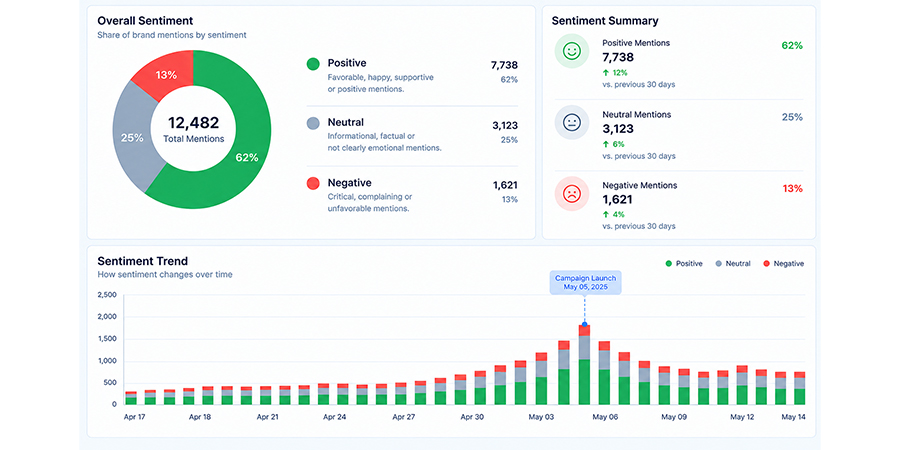
Sentiment analysis is something that often categorizes social mentions into negative, positive, or neutral. It’s also about catching mixed emotions, sarcasm, and small details that can completely change what a comment is actually meant to say.
You can take an example of the phrase “well, that’s perfect”. It either indicates praise or sarcasm, depending on the context. You can leverage a large number of AI-driven social listening tools to become great at spotting this kind of difference. But human review is indeed highly important to improve it further.
- Find Content and Campaign Opportunities
There’s no denying that brainstorming sessions are a major source of the top content ideas. But they also come through important conversations that already take place online.
If you find your customers ask the same questions repeatedly, it’s an important sign you need a FAQ section or even a blog post on the same. If they use any of your products in creative or surprising ways, it helps you to position it in a new way.
Even if you find any complaints about your competitors, they can be useful for you. The reason is that they reflect some gaps that you can grab an opportunity to fill. Chipotle is a perfect example, especially in this case. They use fan-made content and the latest memes in complete marketing campaigns.
Duolingo is another top-rated brand that already uses its social media voice. Their team focused on factors that engaged their audience most and also made them laugh. They also used these insights to develop their chaotic online persona.
- Check Emerging Trends and Customer Interests
Trends barely start on the platforms that businesses always keep eyes on most closely. They mainly gain ground in comment sections, niche communities, smaller creator accounts, etc., before they become the mainstream.
With social listening, you will be able to understand customer interest by focusing on those topics that they ask about repeatedly, engage with, recommend, etc. These conversations, of course, reveal their specific interest, including demand for the latest features, preferences for affordable products, interest in specific technologies, etc.
So, you need to check these places to be aware of the latest trends to get competitive advantage for your business. According to Brand 24, 33.4% of marketers think that discovering the latest trends early yields the biggest benefits they expect from social listening.
When you spot emerging trends like a shift in customer priorities, meme format, rising hashtags, etc., it gives your brand a wonderful chance to adopt them early. On the other hand, if your competitors depend on delayed market reports, they always end up joining the conversation when it fades out.
Pro Tips: One thing you need to keep in mind, it’s not important to chase every crucial trend. Your main objective should be to focus only on those that align with your brand message and audience interests properly. It ensures natural participation.
- Check Potential Reputation Risks
As far as reputation risks are concerned, they don’t appear at once. They often appear small in different forms. For instance, reputation risks appear most commonly in complaint form, which gets shared multiple times. They also appear due to internal issues that generally go into public conversation.
So, now the question is, how to check these risks?
Well, teams can set up alert thresholds for any unusual spikes in specific keywords or even in negative sentiment. These keywords can be boycott, lawsuit, recall, unhappy, dissatisfied, etc.
Once your teams set up this kind of threshold, it allows them to catch these risks and thus manage them conveniently, before letting them be picked up by larger media outlets. For instance, in Airlines, customer complaints are common.
But any viral customer service video can become a major reputation crisis even without hours. So, it should be addressed proficiently with active social listening.
- Convert Data into Actions
This is the step where the majority of listening programs often fail. The reason is nothing but a huge gap between data collection and strategy to use it. Now, when it comes to closing the gap, it’s something that requires a completely defined and clear process.
Make sure every insight has an owner, a proper timeline for complete action, and a team it goes through. For instance, marketing can leverage this to brief a new campaign, product teams may log it as a feature request, PR can flag it as an early risk, etc.
So, those brands that create this routing system into their weekly workflow can easily convert insight into significant competitive benefits.
- Measure Success Metrics
If you don’t have clear metrics, you will keep running a social listening program even without getting an idea whether it really works or not. All you need to do is keep an eye on a couple of important numbers that are as follows:
- How sentiment changes over time
- How you find your shared voice when compared to your competitors
- How fast your team responds and resolves flagged issues
- How perfectly listening-based content performs
- How much revenue your listening campaigns generate
It also allows you to analyze softer indicators, including whether the conversation tone related to your brand shifts from transactional to more loyal or personal over time. All you need to do is analyze these important metrics on a consistent cadence, whether its monthly or quarterly basis. It helps the team refine what’s tracked, adjusting keyword lists, etc.
Brands That Already Leverage Social Listening
Many popular brands already leverage the power of social listening and implement it better to take their businesses to the next level. We have discussed some of these top brands:
- Netflix
As one of the leading brands, Netflix is the best example of harnessing audience conversations to shape its social strategy. They monitor how viewers discuss their shows and characters across several social platforms. Be it memes, reactions, jokes, or theories, they check everything that generates discussion.
The brand uses these important details to craft content that feels completely native to fan conversations instead of just promoting the latest releases. For example, Netflix launched its social listening campaign with the main purpose of understanding audience preferences and habits. This campaign worked better to contribute to major growth.
Apart from this, the brand used customer conversations to get inspiration for their creative ideas. They launched their Netflix Socks campaign according to viewers’ jokes about falling asleep while binge-watching.
- Slack
Slack is another top-rated brand that exhibited how social media listening helps brands participate in conversations even without disseminating sales messages forcefully into them. We can take a great example of the popular workplace phrase from Slack: “It could have been an email”.
Besides, the company also adapted its cultural joke into “It could have been a huddle”, which connects an audience discussion with its Huddles feature. As a result, the post became one of the most liked posts at the time. It also reflects the importance of understanding an existing conversation to make branded content highly relatable.
This lesson is specifically important for B2B brands. Social listening doesn’t need to unveil any major product issue or even reputation issues. But it several times helps a brand get details of the frustrations, humor, language, cultural references, etc., of its audience.
- Chipotle
Chipotle uses social media listening with the core purpose of collecting information regarding cultural shifts, customer behavior, and opportunities for real-time engagement. The company ran its campaign during the COVID pandemic and used social analytics to understand the fast-changing customer requirements. And this adopted their marketing strategy accordingly.
The brand also reflected how listening is effective when it comes to finding enthusiastic customers and converting them into brand advocates. They discovered a customer who documented eating Chipotle for 1,000 consecutive days and rewarded him with an exciting trip to Hawaii.
Chipotle has also continued creating its campaigns across both creator and customer culture. Recently, they have launched a campaign that features 100 creators across over 50 restaurants. It reflects how they use customer-generated and social culture content in their marketing practices.
- Nike
Nike works in an environment where conversations across athletes, sports, identity, performance, and culture evolve consistently. With social listening, they understand these discussions and thus determine the most suitable themes that work most effectively with their target audience.
They combine audience data with athlete conversations, user-generated content, campaign analysis, and cultural moments. Nike also uses the power of social conversations across various major sporting events to guide timely content.
The brand also uses social conversations around major sporting events to guide timely content. For instance, its coverage of competitors or athletes often changes based on where the audience engages most. It allows them to participate in conversation when it takes place instead of relying on the fixed calendar.
- Starbucks
Starbucks is another strong example of a brand that uses social media research to find details of changing consumer preferences and also market trends. They have observed that conversations across dairy-free alternatives have shifted from intolerance towards wellness, health, and taste. These details helped the company to think just beyond product development.
Starbucks has utilized social conversations better to maintain its emotional connection with customers. Customers expressed how much they missed visiting the Starbucks premises during the COVID pandemic.
The brand finally responded with its initiative called Barista Call-Out. They recorded personalized drink call-outs and then sent them to customers via Instagram messages. The campaign transformed an offline part of the Starbucks experience into a complete digital interaction.
In the year 2026, Starbucks introduced changes in the Chai recipe, which led to huge customer criticism across many social platforms. It reflects how fast product discussion influences brand sentiment and also why organizations seek to pay attention to customer reactions.
Some Common Social Listening Mistakes to Avoid
Even while doing so with the right intentions, many brands often struggle to get real value from social listening mainly due to some common mistakes. Getting ideas of these mistakes helps them save time and money.
- Emphasize Only Brand Mentions
A large number of businesses leverage social media listening tools to track their brand name exclusively. Meanwhile, they often consider every mention as either compliant or positive feedback. Though it is important, it also misses many important conversations. Customers often discuss any product or brand directly without tagging or mentioning the brand.
Solution: It’s advisable to expand your tracking even beyond the exact brand mentions to include common misspellings, product names, executive names, branded hashtags, etc. This indeed gives a clear picture of how people talk about your business and product.
- Track Many Keywords
Tracking every keyword related to your business niche is something that is indeed quite tempting. But it also creates a high volume of data. There’s also the possibility that your team may find too many irrelevant mentions, which really makes it tough to find the right conversation that matters a lot.
Solution: You need to always focus on high-value keywords, whether its core products, brand names, industry-specific phrases, key competitors, etc., to current goals. It’s also advisable to go through the complete list and refine it periodically to analyze everything at once.
- Ignoring Competitors
Many brands leverage social listening to check their customer feedback and own performance. They often ignore competitors, which leads to a blind spot. If you don’t keep an eye on competitors, you may fail to identify their strengths and weaknesses.
Solution: Your listening strategy should include competitor tracking. You should check your competitors’ campaigns, audience sentiment, customer complaints, etc., to find gaps you can fill and thus maximize the chance of success of your business.
- Considering Social Listening as Social Monitoring
As we already covered, social media listening and social monitoring are completely different from each other. But most businesses commit mistakes by focusing just on counting conversations and tracking mentions without knowing context, sentiment, etc.
Solution: You should always think beyond counting mentions. Don’t forget to check themes, tone, intent, etc., behind any conversations. You can use these important details to chalk out your marketing and reputation strategies.
- Gathering Data without Taking Action
When you collect the important data and don’t use it properly, you certainly commit a costly mistake. Your team will spend their valuable time reviewing dashboards and creating reports. But if they don’t act based on the data, all their effort will go to waste.
Solution: You should have a clear and complete process to convert insights into action, be it notifying PR of a reputation risk or briefing the marketing team on a content opportunity. You can prevent insights from getting lost by assigning ownership once the report is shared properly.
FAQs
Ans: Businesses can use social listening during a product launch in several ways. These include identifying customer’s concerns, analyzing discussions, understanding expectations, and collecting feedback. They can use social media listening even before and after the product launch.
Ans: Businesses can conduct social media listening continuously while ensuring regular monitoring for customer feedback and brand mentions. They can perform an in-depth analysis on a weekly or even monthly basis to check sentiment shifts, trends, competitors, etc.
Ans: Well, businesses can analyze various types of data with the help of social media listening. These mainly include customer feedback, sentiment, competitor conversations, trending topics, audience preferences, industry trends, purchase intent, and more.
Ans: Yes, social conversation is quite beneficial for any B2B business. It provides various useful insights to these businesses, which help them redefine their marketing strategies, identify growth opportunities, and improve relationships. It helps them make more customer-focused and informed decisions.
Ans: Many industries benefit from it. Some of them include finance, hospitality, technology, consumer goods, travel, and others.
Conclusion
Social listening is today much more than just analyzing what people mention about any brand — It has become a major source of marketer intelligence. Once you are aware of your competitors, customer conversations, expectations, and sentiment, you will be able to make more informed decisions while securing your business reputation.
You will get the real value only when you turn this information into action. Partnering with a top-notch social media marketing company helps you do it effectively with an impeccable strategy.

