





Think about a logistics company with a vast reputation, decades of experience, a ready fleet, etc. yet they struggle to find new clients for their services. On the other hand, competitors enjoy a strong online presence and capture all the leads. So, you may be excited to know why? Well, the answer is SEO for logistics companies.
It goes without saying that search engine optimization is the most tried and tested method of increasing online presence and thus increasing new clients. The reason is simple – approximately 86% of buyers rely on search engines to make decisions while purchasing any new products or solutions.
So, if your business doesn’t have an online presence, you are indeed missing the opportunity even before the conversation starts because SEO is much more than just ranking. In this post, we will discuss in detail about SEO strategies for logistics companies.
What is SEO for Logistics Companies?
SEO for logistics companies signifies a process to improve the search engine rankings of websites. It also includes a complete set of strategies that are implemented to optimize your website to answer the queries of your target audience and rank in search engine results pages (SERPs). It allows your business to reach out to your prospects online.
To become successful with your SEO efforts, you need to strategize well and do much more than just keyword stuffing on your website pages. The following are the important SEO activities you need to carry out to gain the desired outcomes:
- On-page Optimization: It includes various activities like optimizing headings, content, meta tags, etc.
- Content Marketing: It’s about publishing case studies, blogs, and landing pages.
- Technical SEO: It includes activities such as mobile-friendliness, website speed, and crawlability
- Link Building: It’s about earning backlinks from reputable websites.
- Local SEO: It’s best for location-based searches in your targeted markets.
When you do it in the right way, SEO converts your website into a 24/7 lead generation system for your logistics business.
Why is SEO Vital for Logistics and Transport Companies?
Grand View Research predicts that the global logistics market size is projected to grow at a CAGR of 7.2% during the period of 2024 to 2030. It reflects how intense the competition is in this sector. So, offering only world-class services is not enough to lure clients, you need to do SEO for logistics companies for the following reasons:
- Increase Website Discoverability
When you do SEO properly, it ensures your website appears in front of those who are searching for logistic services in your targeted location. It ensures your website is the first thing they visualize and then take the final action related to book your services accordingly. It finally helps you in generating leads from your website as well.
- Maximise Brand Visibility
When your website appears consistently on the first page of Google Search Engine Result Pages (SERPs), it delivers much more than just increasing traffic. It ensures your brand name is among the decision makers. Even if users don’t click your website the first time, they see its appearance across different searches.
- Boost Trust and Credibility
B2B buyers are responsible when it comes to opting for the right logistics service provider. They often hire a trusted company that has a great reputation for serving people. SEO helps you in this.
You can boost the trust and credibility of your website through genuine client reviews, informative content, strong rankings, and signals of credibility. It signals to your targeted customers that your business is authoritative, established, and worth considering.
- Increase Sales and Revenue
SEO works effectively in increasing qualified traffic to your website, which is directly related to more quotes requested, more enquiries, more contracts signed, etc. When compared to paid advertising, the leads generated through organic SEO keep coming. It, in fact, yields a compounding return.
8 SEO Strategies for Logistics Companies to Increase Visibility and Lure Clients
We will discuss here some of the solid strategies for SEO of logistics companies that really work. Go through each strategy one by one to understand how implementing these can maximize visibility and attract more clients:
- Perform Keyword Research
Keywords are basically phrases or queries that users type while searching for any products or services. Any SEO starts with keyword research – logistic SEO is not an exception.
For any logistics company, SEO takes place by understanding the searches your target audience does. You also need to keep an eye on high-intent keywords that match exactly what possible customers look for in the logistics services on Google.
While searching for the top keywords, you need to look for the following things:
- Who Searches For?
You need to first decide who actually needs your services – they could be either package trackers, job seekers, or B2B buyers. Moreover, they could also be researchers who are at an early stage to explore important information, cost, modes, timelines, etc.
- How Specific is the Query?
Do you want to target vast terms? You need to decide the same clearly? These terms can be as follows:
- Trucking Company
- Logistics Provider
Besides, these terms can also include lane, service, location, etc. For instance, “Logistics provider from Texas to Boston.”
- Use Long-tail Keywords
Using long-term keywords for SEO for logistics companies is indeed the right choice. These keywords are basically made of three or more words and are the least competitive, yet have a good search volume.
So, the best thing about using long-term keywords is that they rank easily. Targeting these keywords lets you provide qualified prospects who search actively for your experts rather than struggling for common terms such as “logistics services.”
So, how to find long-tail keywords?
Here, we have used the SEMrush Keyword Magic Tool to find the long-tail keywords. The result appears as follows:
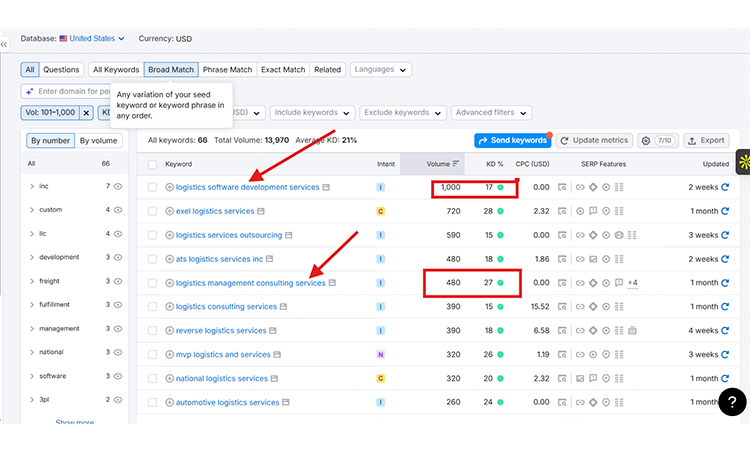
In the above image, you can see the two keywords that are less competitive yet have a higher search volume.
- Top Tools for Keyword Research
For keyword research, you will come across a large number of both free and paid tools. Some of the popular ones are as follows:
- Google Keyword Planner (Free)
- Ahrefs (Free and Paid Version)
- SEMrush (Free and Paid Version)
- Ubersuggest (Free and Paid Version)
- Use Quality Content for Prospects and Customers
When it comes to content, it matters a lot to make SEO successful. So, you need to publish important and useful content for your customers. Google always favors useful content, and based on this, it improves the online visibility of your website.
There are many important formats of content you can use to improve your search engine optimization (SEO). Blog posts and infographics are one of the most effective formats that deliver outstanding results.
This is useful content for new customers and prospects at the top of the funnel. Let’s explore some of the topic ideas that you can consider using:
- Warehouse Management
- Industry Events and Trends
- Reverse Logistics
- Regulations and Compliances
- Heavy Cargo Logistics
Make sure your business has bottom-of-the-funnel content, apart from targeting top-of-the-funnel or middle-of-the-funnel topics. Targeting this content guides your buyers throughout their journey and also helps your sales teams to focus on qualified leads.
For instance, you can craft and publish service pages on your website that include the following important things:
- Location
- Deliverables
- Certifications
- Past Works
- Advantages
- Pricing
- And more
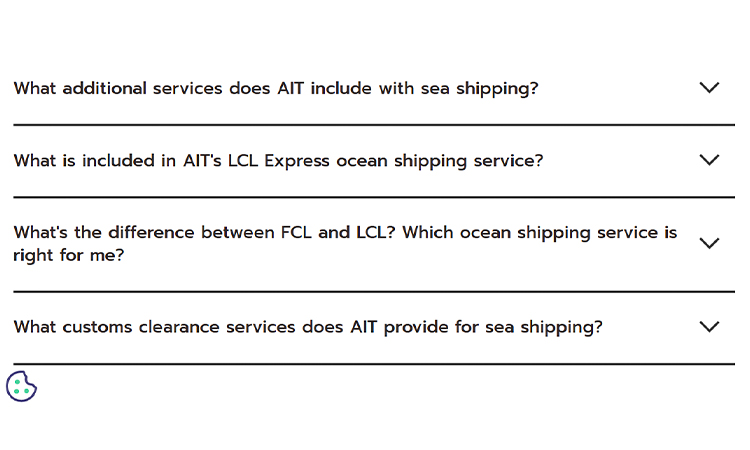
Apart from this, you can also publish FAQs based on the most common queries from customers about your services. You need to understand that FAQs are useful in the middle of the funnel.
- Harness Social Media to Improve Your Ranking
It’s true that social media has nothing to do with SEO for logistics companies – it impacts extensively on factors that are pivotal for improving the ranking of your website. So, you need to make a social media page for your logistics company.
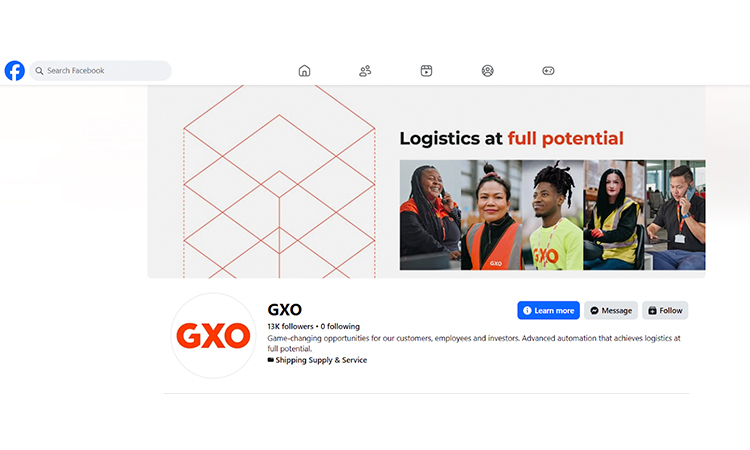
It’s necessary to improve your business presence on the targeted platform that your prospects mainly use. In addition, it sends a reliable signal that your organization is established and legitimate.
Once you have made a social media profile for your logistics company, you can now do the following things:
- Share content directly from your website, including industry trends or new posts.
- Publish industry news, including the latest government regulations.
- Engage with followers and many other industry leaders.
- Respond to reviews
Just like your website, social media includes important information for buyers. Some of these details are as follows:
- Services
- Years of experience
- Location
- Hours
- Images of your fleet
- And more
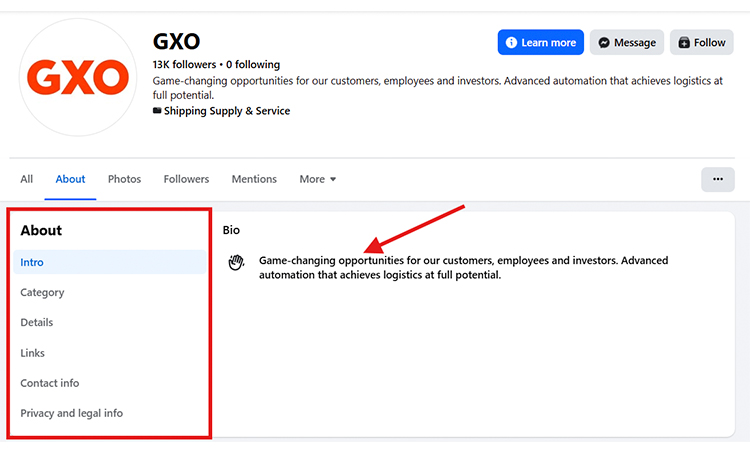
It’s advisable to craft a profile on many leading social media networks, but also emphasize efforts on the ones used by the majority of your target audience. This approach works effectively to optimize your time and lets you invest yourself in channels that are useful in client retention or lead generation.
- Technical SEO for a Logistics Company
Now you need to analyze the technical setup of your website. It helps you know whether your website is slow or fast when loading. Besides, it also lets you know if your website is easy to access through a smartphone or not.
So, for a technical SEO for logistics companies, you need to do the following crucial activities:
- Mobile-friendly Experience
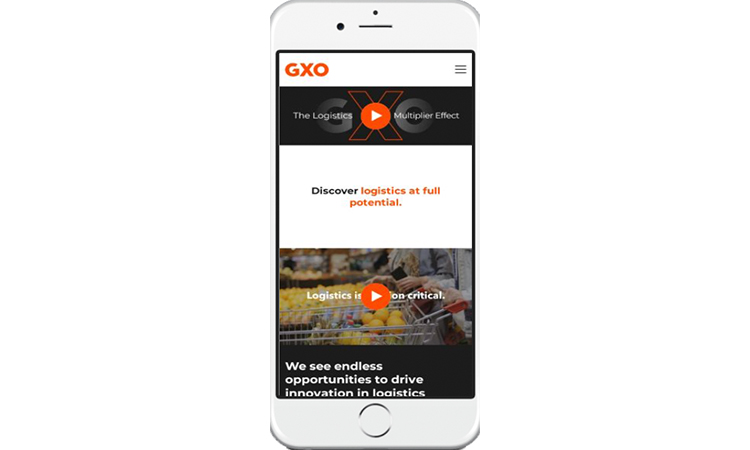
Whether it’s warehouse managers, dispatchers, or logistics coordinators, they are constantly on the move. And they leverage mobile devices to access any website. So, it’s essential for your website to appear on mobile devices properly and deliver the finest experience.
Apart from desktop, your website should also work flawlessly on tablets and smartphones as well. After all, mobile devices claim 62.54% of overall global website traffic in the second quarter of 2025.
To check the mobile experience of your website, you can use many tools. Small SEO Tool is one of those. It delivers the following results.
- Fast Page Speed
The loading speed of your website also matters a lot in improving its overall experience. It indeed has significant experience in its engagement and conversion rate. The standard loading speed of your website should not be more than 3 seconds.
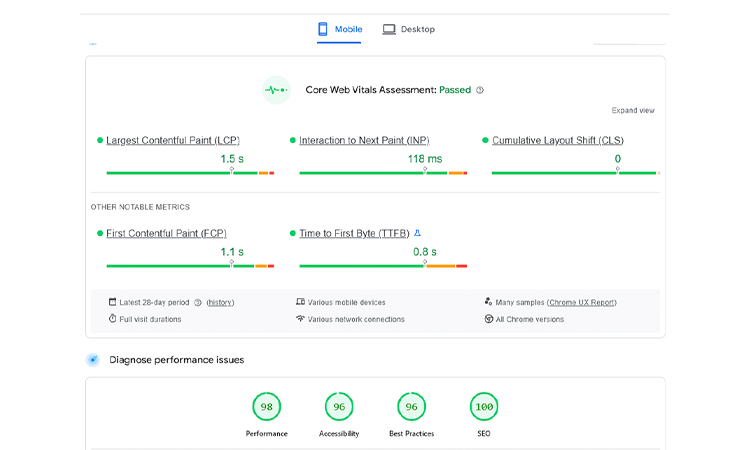
You will again find a large number of tools to check the page loading speed of your website – PageSpeed Insights is one of those. We have checked the loading speed of a website, and the result appears as follows.
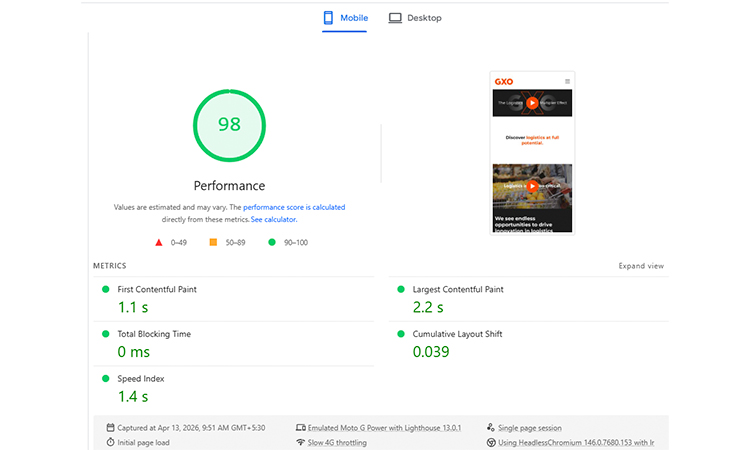
You can see the result, which looks perfect and reflects the loading speed of a website (Loading Contentful Paint). If the loading speed of your website is not good, you need to compress images of both your fleet and facilities. Besides, you also need to clean up vast scripts and work with your developers closely to hit modern Core Web Vitals targets.
- Clean Site Structure
You need to clean the structure of your website perfectly. It’s essential to make your website easy to access for both search engines and users to move from your homepage to crucial services like FTL, LTL, freight forwarding, and warehousing.
- Secure Your Website
You can secure your website in various ways:
- Fixing broken links through redirection and creation of 404 pages and submit in Google Search Console for non-indexing. The redirected page carries SEO value from the previous one.
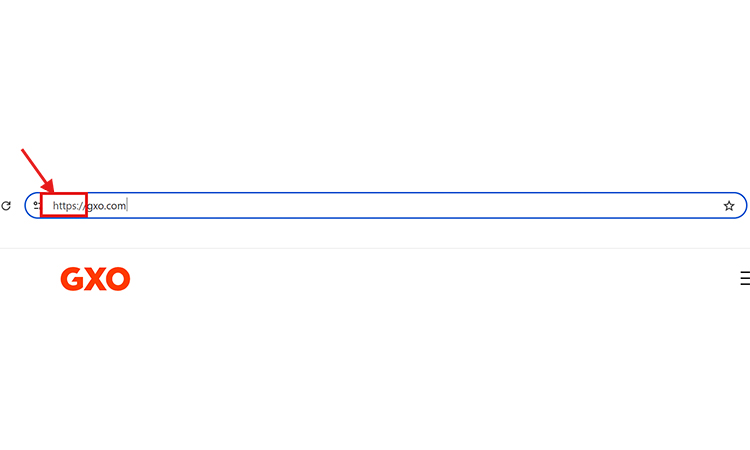
- Use HTTPS
- Submit domain/sitemap.xml in Google Search Console
- Fixation of Canonical Tags via Fixation of webpage by a specific URL through redirection of different types of URL addresses.
It allows search engines to find and index your web pages fast.
- Add Structured Data
Structured data is something that keeps great relevance. To add this data, you can add just a simple JSON-LD code, which is termed as ‘structured data or Schema.org’, including Breadcrumb, FAQ, Review Schema, Rating, Event, and How-to. So, search engines understand clearly what your business actually does and also where you operate.
- Craft Value-based Service Pages
Service pages of your website are better places where your potential customers land to gather the required information and finally opt for your services. So, you need to never leave any stone unturned to make your service pages value-based and also conversion-oriented. You can craft the following things:
- Dedicated Service Pages for Every Major Offering
Rather than crafting a generic services page, you need to create separate pages for each service for things such as FTL, LTL, Truckload, and port services. These include fulfillment, warehousing, and temperature-controlled shipping. On every page, you can work in various relevant equipment phrases such as flatbed, reefer, geographic lanes, step deck, and more.
- Lane and Corridor Pages
If your logistics company runs a number of freight shipments on a particular route, such as ‘Texas to Chicago’, ‘ Atlanta to Boston’, and more. You need to craft landing pages that focus on coverage, industries served, and transit time expectations.
- Use Helpful Content Around Planning and Pricing
A large number of industrial buyers perform more research before they get in touch with a provider. Many industrial buyers make their final purchasing decision before they interact directly with an organization.
Moreover, you can also use content, including “How much does it cost to ship a particular item from one place to another”. It helps you ensure your earlier appearance, build trust, and answer their queries.
- Do Local SEO to Improve your Local Presence
Since logistic companies operate from a specific area, local SEO for logistics companies has a great role when it comes to improving their local presence as well. So, it’s quite essential to create a Google Business Profile (GBP), which is the first thing that most users interact with, especially when using mobile devices.
Let’s have several important things you can do to set up your GBP effectively:
- Claim Your Profile
You need to first claim your profile while ensuring Name, Address, and Phone Number (NAP) consistency. Select the most appropriate categories matching the nature of your business.
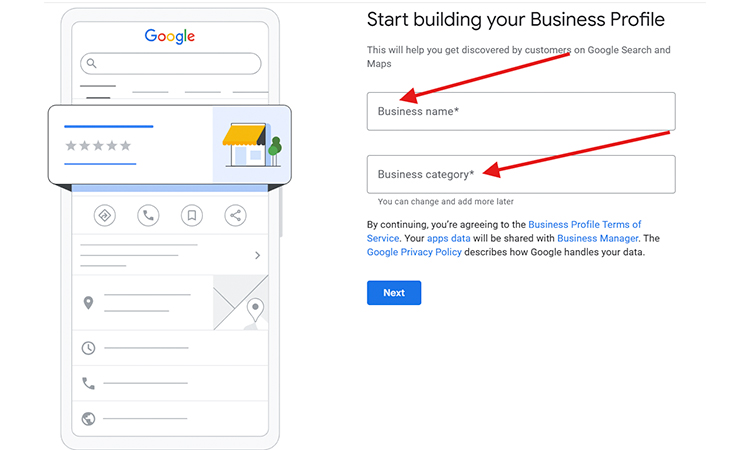
You can either go for “Shipping service”, “Trucking company”, or “Logistics Service”. You can also add service areas when you serve a complete radius of a single address.
- Fill Out Services and Add Images
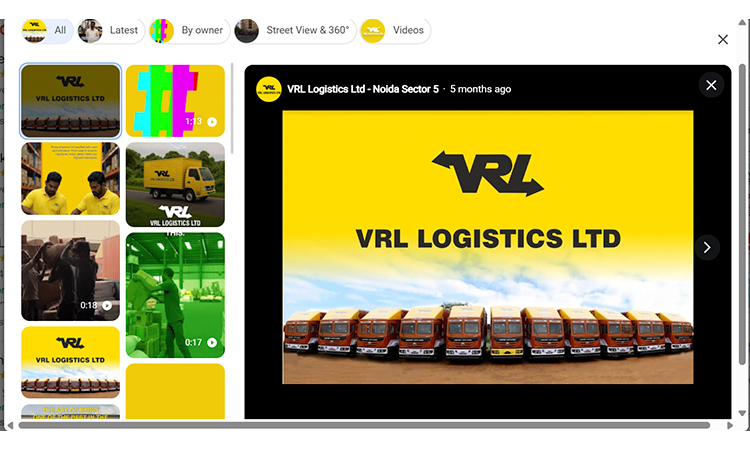
You need to create a list of modes and services you offer. For instance, you may list FTL, LTL, storage, cross-docking, emergency shipments, or specialized equipment. Don’t forget to include images of your warehouse, yard, drivers, trucks, and office team. Shippers wish to visualize that you are a real operation.
- Ratings and Reviews
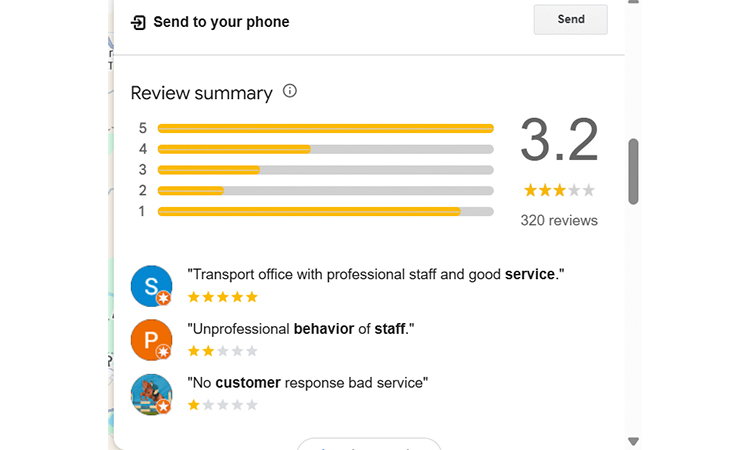
Gaining more reviews and ratings for your brands helps you gain more trust among your target audience. All you need to do is encourage your happy customers to leave reviews. It’s advisable to make a simple review process to encourage more customers to write and submit reviews.
- Industry-Specific Link Building To Build Authority
Earning links from different sites increases the reliability of your website. One thing you need to keep in mind is that the more reliable and appropriate your websites are, the more leverage they gain. So, while chalking out your SEO for logistics companies strategy, you should focus clearly on gaining mentions from:
- Industry Associations and Directories: These mainly include trucking, logistics, chambers of commerce, freight associations, reputed industry directories, and more.
- Vendors and Partners: They are mainly distributors, manufacturers, and e-commerce brands that trust you. Most of them are happy when it comes to listing their preferred logistics partners or carriers.
- Local Media and Trade Publications: You can create authoritative content that people seek to reference in thought leadership commentary, articles, etc., on news or transportation trends related to new facilities and expansions.
- Analyzing SEO Performance
Ranking and traffic are indeed the vital factors for a successful SEO for logistics companies strategy. But, they can’t help you pay your fuel costs directly. So, you need to focus on all those metrics that are directly related to revenue generation and freight margin:
- Organic Quote Requests: These come directly from “Contact Sales”, “Request a Quote”, etc.
- Calls and Messages from GBP: These mainly include messages, calls, and website clicks from your Google Business Profiles.
- Booked Loads from Organic Leads: It refers mainly to the various shipper inquiries that start through organic search and turn into booked loads.
- Freight Margin Return on SEO: It’s an estimated average freight margin based on the booked load from organic leads. You can make an active comparison of this KPI to your monthly SEO investment to visualize your return.
Common SEO Mistakes Logistic Companies Need to Avoid
Some mistakes are inevitable while doing search engine optimization for your website. Even an established company does mistakes, which impact adversely on their overall SEO outcomes. Let’s have a look at some common mistakes you need to avoid:
- Avoiding Local SEO
The core focus of the majority of logistics companies is on national or global reach. But they often overlook local search optimization. This is one of the costly mistakes they commit. A great portion of B2B clients look for logistics partners within their specific cities.
- Solution: You can set up your Google Business Profile (GBP) and optimize it properly. Make sure you build local citations by targeting relevant directories, and also create some location-based landing pages that target regions and cities you serve.
- Ignoring Technical SEO
No matter how visually appealing your website is, it will fail to deliver results if search engines fail to crawl and index it. Technical issues like broken links, missing sitemaps, slow page speeds, poor mobile experience, and more.
- Solutions: It’s advisable to perform regular SEO audits with the use of tools such as Google Search Console, Screaming Frog, etc. You need to do activities like compressing images, fixing crawl errors, improving page load speeds, and more.
- Targeting Vanity Keywords
Most logistics companies often select highly competitive and high-volume keywords to target. And they fail to gain the desired outcomes.
- Solution: You need to shift your focus completely to long-tail and intent-driven keywords. These keywords have less competition and lure prospects who are always ready to engage.
- Ignoring Generative Engine Optimization (GEO)
Whether it’s Google AI Overviews or ChatGPT, AI tools now have a major dominance in influencing how B2B buyers find vendors. So, when you ignore GEO, it’s indeed the biggest mistake you commit. If your content is not visible in the results provided by these tools, you are definitely lagging behind your competitors.
- Solution: You need to craft your content with direct and clear answers to many common industry questions. Make sure you use concise definitions, FAQ sections, authoritative data, etc.
Future SEO Trends for a Logistics Company to Implement
Since SEO is evolving fast-paced, it means the old strategies will no longer be relevant. So, if you wish your logistics business to win the race and stay ahead of the competition, you need to implement the following future trends for SEO for logistics companies:
- Voice Search Optimization
The growing trend of smart devices and voice assistants, which uses Natural Language Processing (NLP) as a main mechanism, has redefined the way users search. The majority of B2B companies nowadays use voice search to find the right answers on the go.
So, if you wish to grab opportunities to appear in front of the search results, you need to optimize your content around conversational and long-tail phrases. Make sure you create an FAQ-style content that answers your questions directly and also those of your prospects who actually speak into their devices.
- Use of AI-optimized Content
AI tools have nowadays a major impact on the way content is crafted – they also impact the way content is distributed and discovered. Google always favors content that reflects a vast and genuine expertise with real-world experience.
The major approach is to leverage AI to support your content workflow, whether it’s research, structuring, or gap overview. Meanwhile, it’s also important to offer human expertise and original insights to drive the final output. Make sure you focus on creating content based on answering specific logistics questions.
- Focus on Topic Authority
You need to know that Google works with a more advanced approach while evaluating a website from an SEO point of view. It determines the authority of websites on a particular subject. It reflects that a logistics company should put more effort into building topic clusters.
You need to make a pillar page on a broad topic like “freight forwarding” or any similar one. Then, you can create related posts of your pillar page, which could be documentation requirements, Incoterms, custom clearance, etc.
- Hyperlocal SEO
Generic local SEO is nowadays not much relevant – hyperlocal SEO is its extension. In this, you need to target specific industrial zones, specific neighborhoods, logistics corridors, ports, etc. Make sure you craft a landing page and content tailored to micro-location, so that you have a great dominance on searches that your competitors often overlook.
- Data-based SEO
When it comes to decision-making based on data, it’s something that holds great importance in search engine optimization. Instead of spending your time predicting which keywords to target, what content to craft, etc, you should leverage tools like Ahrefs, Google Search Console, SEMrush, and more.
With these tools, you will be able to gain results based on the performance data. It helps you refine your strategy continuously.
- Visual Search SEO
When it comes to visual search SEO for logistics companies, it has gained vast growing popularity. Prospects of late use image-based searches to gather details of fleet capabilities, warehouses, logistics infrastructure, and facility layouts, etc.
It’s vital to optimize the image of your website with keyword-rich alt text, descriptive file names, proper compression, etc. It’s advisable to invest in quality photography for your operation, which helps you improve your brand perception while maximizing your visibility when it comes to image search outcomes.
Case Study: How a Logistics Company Increased Traffic with SEO
As a leading load board and freight, Truskstop is a freight management software solution that is appropriate for brokers and carriers. It partnered with Virayo to convert SEO into a growth channel.
Their major objectives were highly aggressive: Scale monthly SEO content output by 50%, which surpasses approximately 100,000 non-brand organic visitors, and increase monthly organic leads by 50%.
Here’s how they made it happen:
- Audit and Optimize
The company found some underperforming content without links, traffic, or conversion potential and then focused on the same. It minimizes the competition level between the same pages and thus helps the existing assets rank strongly.
- Keyword Research and Mapping
Truckstop prioritized keywords for both Broker and Carrier personas, which helped them know what types of content to craft – right from product pages to competitor landing pages.
- Content Briefing and Review
Virayo offers in-depth SEO briefs every month and guides Truckstop’s writing team. Every draft was then reviewed and optimized further with semantic keyword additions, on-page recommendations, and internal link placements.
- Link Building and Schema
The company has finally developed value-based backlinks to important pages and also added schema markup to trigger snippets, which improves click-through rates.
- Results
Truckstop’s hard effort brought impressive results that are as follows:
- 155% increase in its overall organic traffic even within 12 months
- 106% in increment in top keyword rankings
- A higher growth in sales and qualified leads
This case reflects the possibility when a logistics company invests in SEO strategies aligned properly with buyer intent and conversion objectives.
FAQs
Ans. A logistics company requires SEO to make its appearance among B2B clients who search for its services online, build brand credibility, generate consistent inbound leads, and stay ahead of competitors in the highly competitive logistics market.
Ans. Well, the cost of SEO for logistics companies varies based on several factors like goals, competition, scope, and more. The average cost of a logistics business spent on SEO is between $500 to $1500+ on a monthly basis.
Ans. SEO generally takes approx 3 months for a logistics company to deliver some improvements, and the final results are delivered after 6 months. It again depends on factors like website authority, competition, strategy execution, and more.
Ans. A logistic company can improve its local SEO in several ways, such as optimizing its Google Business Profile, crafting location-specific landing pages, developing consistent local citations, earning client reviews, etc.
Ans. There are many special SEO tools available for logistics companies. These tools include Google Analytics, Google Search Console, SEMrush, Ahrefs, Moz, Ubersuggest, and more. These tools allow you to perform keyword research, analyze rankings, perform technical audits, and more.
Ans. Well, a logistics company can analyze its SEO performance in several ways, like keyword rankings, organic traffic, lead conversion, bounce rates, backlink growth, and more. They can do the same with the use of tools such as Google Analytics, SEMrush, etc.
Conclusion
It goes without saying that the logistics sector is changing by leaps and bounds. So, having a great online presence is essential rather than an option and here SEO for logistics companies helps you into this, as we already explored the importance of search engine optimization for logistic companies in increasing brand awareness, projecting your business as a leader, and drawing outstanding leads.
But these benefits are possible only when you do it properly, rather than just implementing ideas. Therefore, partnering with a professional SEO company is decisive. They craft tailored SEO strategies based on the specific needs of your business and promise to deliver the desired outcomes.

