






Many architecture firms have stunning portfolios, but still get no leads. The problem is simple: people cannot find them online. Studies show 68% of online searches start on search engines. Without proper SEO for architects, your website stays invisible while competitors win clients. Even exceptional design work will not help if no one sees it. Strong architect SEO helps your firm rank higher, attract the right visitors, and turn your portfolio into a steady source of project inquiries.
In this guide, you will learn all the important strategies to improve online presence for your architecture business, as well as local SEO tips, on-page, off-page, and technical SEO.
What is SEO for Architects and Why Architecture Firms Need It
SEO for architects means improving your website so people can find your architecture firm on Google, when they search for architectural services, house design, building design, or architects near them.
Search engine optimization helps architecture firms appear in search results when potential clients are already looking for an architect. This is why SEO brings high-quality leads, not random visitors.
Most architecture firms have beautiful portfolios but very little website traffic. A portfolio alone does not bring clients. People must find your website first. SEO helps your website appear in search results, Google Maps, and image search.
When someone searches “residential architect near me”, “house design architect”, or “architecture firm in [city]”, SEO helps your website show up. This attracts people already interested in architectural services.
SEO also helps architecture firms target their ideal clients. Instead of receiving random inquiries, you attract people seeking specific services such as home design, commercial buildings, renovation planning, or interior architecture.
- SEO for architects usually includes:
- Keyword research
- Service pages
- Blog content
- Local SEO
- Google Business Profile
- Internal links
- Technical SEO
- Off Page SEO
- Architecture firms that invest in SEO get:
- More website traffic
- More project inquiries
- More local clients
- Better online visibility
- Consistent leads
- Long-term marketing results
In simple words, SEO for architects turns an architecture website and portfolio into a lead-generation machine.
SEO Strategy for Architects: Proven Steps to Increase Traffic and Leads
Here you can learn all the important search engine optimization (SEO) strategies to uplift your online presence:
- Keyword Research for Architecture Firms
Keyword research means finding the exact words your ideal clients type into Google. It is the foundation of every successful SEO for architects’ practice. Without the right keywords, even the best website stays hidden. Keyword research indicates what to write, how to say it, and where to focus. When you optimize keywords for your website content, search engines find your brand easily.
- Simple Rule to Remember
When doing keyword research, focus on:
Service Keywords + Local Keywords + Problem Keywords + Long Tail Keywords
- Step-by-Step Keyword Research for Architects
- Start With Seed Keywords:- You need to think like your client. What would they type?
- “architect near me”
- “residential architect in London”
- “architecture services for home extension”
- Use Keyword Research Tools: – These tools show search volume and competition:
- Google Keyword Planner (free)
- Ubersuggest (paid)
- Ahrefs or SEMrush (paid)
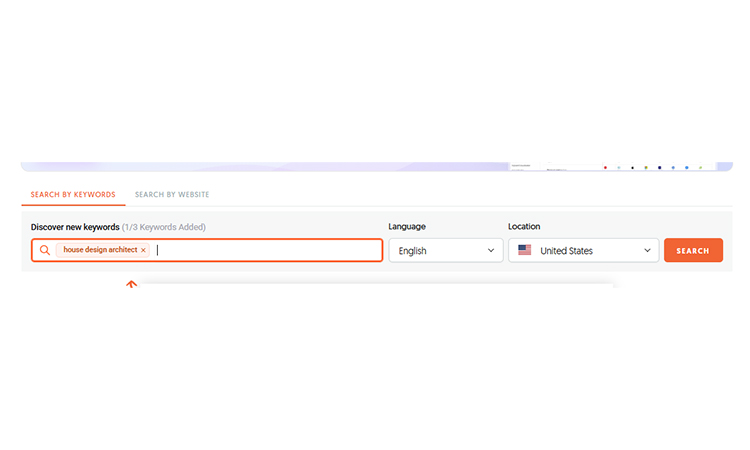
Go to Ubersuggest. Sign in to your account. Then, put the main keywords in the search bar.
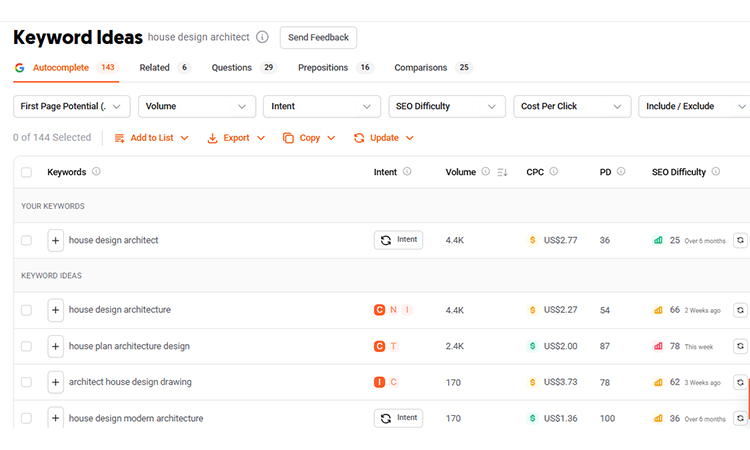
| Term | Definition | Best Tips to Choose |
| Search Intent | The reason behind a search. What the user wants to do, learn, or buy. | Always target service + local + problem keywords. Example: “hire architect”, “architect near me”, “house design cost”. High intent keywords bring leads. |
| Volume | The number of times a keyword is searched in a month. | Do not only choose high-volume keywords. Choose medium volume + high intent keywords. It’s easier to rank and bring clients. |
| CPC (Cost Per Click) | The amount advertisers pay for one click in Google Ads. Shows the commercial value of a keyword. | Choose keywords with high CPC. High CPC means the keyword brings business and leads. |
| PD (Paid Difficulty) | How difficult and competitive the keyword is in paid advertising. | Medium PD keywords are good. Very high PD means a very competitive market. |
| SEO Difficulty | How hard is it to rank on Google organically for that keyword? | Choose low- to medium-SEO-difficulty keywords first. New websites should avoid difficult keywords. |
- Quick Keyword Selection Formula (Very Important for SEO for architects)
Use this rule when choosing keywords:
Best Keyword =
- Medium Volume
- High Intent
- High CPC
- Low SEO Difficulty
- Relevant to Service
- Find Long Tail Keywords:- Long-tail keywords are longer, more specific phrases. They have lower competition but higher conversion rates.
- “modern home architect in Manchester”
- “commercial architecture firm for retail spaces”
- “sustainable architecture services UK”
- Sort by Category
- Local architect keywords: architect in [city], architecture firm near me, local architect services
- Architecture services keywords: residential architect, commercial architecture, interior architecture services
- Check Search Engine Results :- Search your keywords on Google. Study what ranks on page one. This shows you exactly what content Google rewards.
Expert Tips
- Always target keywords your ideal clients use, not industry jargon
- Mix high-volume and low-competition architecture keywords
- Refresh your keyword research every 6 months
- One keyword focus per page works better than many
- Use relevant keywords naturally; never force them into content
- Create Service Pages (Most Important for Leads)
Service pages are essential for SEO for architects because they help potential clients understand your offerings and contact you quickly. A well-written page explains what services your firm provides, who they are for, and why someone should choose you. These pages also improve online visibility in search engines when optimized with the right architect marketing and architecture website SEO keywords.
- Why Service Pages Matter for Architects
Many visitors land on your website looking for one specific service. They may need residential design, commercial planning, renovation help, or interior layout consultation. A dedicated page makes that information simple to find. Search engines also rank focused pages better than broad general pages.
- What to Include on an Architect Service Page
Each page should focus on one service only. Clear structure improves readability and rankings.
Important sections include:
- Service title with target keyword
- Brief explanation of the service
- Benefits for the client
- Your process or workflow
- Relevant architecture projects
- Client testimonials or trust signals
- Contact form or call-to-action
- Additional Pages That Support SEO for architects
Architect firms should also create related pages that improve authority and internal linking.
Helpful supporting pages include:
- About Us page
- Architecture projects / portfolio page
- Industries or target audience pages
- Interior designers collaboration page
- Service area / location pages
- Blog / resource section
- Steps to Create High-Converting Service Pages
- Research one keyword for each service
- Write unique content for every page
- Add project examples and visuals
- Use internal links to related pages
- Include a clear CTA in the end
Expert Tips
- Keep paragraphs short and easy to scan
- Use real client-focused language
- Add FAQs for extra keyword relevance
- Optimize title tags and meta descriptions
- Update pages regularly with new projects
- Local SEO for Architects
Local SEO is a major part of SEO for architects because most clients search for firms in their area before making contact. Strong local visibility helps architecture local businesses attract qualified leads, improve trust, and support long-term business growth. Most architecture projects are location-based, making local SEO a non-negotiable aspect of marketing for architects.
Below are practical local SEO strategies every architect should follow:
- Optimize Your Google Business Profile
A Google Business Profile improves visibility in local map results. It helps potential clients find your office, phone number, reviews, and website.
- Steps to optimize your profile:
- Claim and verify your Google Business Profile
- Use your exact business name consistently
- Add the correct office address and phone number
- Select the most relevant business category
- Write a keyword-rich business description
- Upload high-quality office and project photos
- Add your website and booking/contact link
- Publish regular updates and announcements
- Ask satisfied clients for reviews
- Respond to every review professionally
- Keep business hours updated at all times
- Monitor profile insights for performance data
- Build Accurate Online Listings
Consistent online listings help search engines trust your business information. Listings also improve your visibility across directories and strengthen SEO for architects.
Steps:
- Create a listing on American Institute of Architects (AIA) directories when eligible.
- Build a company profile on Architizer for architecture exposure.
- Maintain an active profile on Houzz for residential and design leads.
- Submit your business to Archinect for industry visibility.
- Register on World-Architects for global professional reach.
- Showcase your portfolio through Archello.
- Publish featured work on ArchDaily to build authority.
- Add your firm to Archi Firms for US-based discovery.
- Register in the USA Architects Directory for regional visibility.
- Keep your business name, address, and phone number consistent across all platforms
For true local citation building, also include general directories like:
- Google Business Profile
- Yelp
- Bing Places
- Yellow Pages
- BBB
- Chamber of Commerce
- Publish Relevant Local Content
High-quality, relevant content helps your website rank for local searches. The valuable content also improves authenticity with nearby prospects. You can participate in local events.
Steps:
- Write blog posts about local architecture trends
- Cover zoning and permit topics
- Explain regional design challenges
- Answer local client questions
- Add city-based service articles
- Create Content Around Local Topics
The local topics connect better with nearby searchers. Here are some general ideas for local topics that you can add to your website:
Strong local content ideas include:
- City-specific architecture trends
Example: Modern Home Design Trends in Miami - Local building regulations and permits
Example: Building Permit Guide for Los Angeles Homeowners - Zoning law updates
Example: Understanding New York Residential Zoning Rules - Neighborhood design styles
Example: Popular Architectural Styles in Chicago Suburbs - Climate-based design solutions
Example: Best Home Designs for Florida Weather
Expert Tip
The best-performing local topics address real local problems. Content should answer the questions your target clients search for before hiring an architect. You may focus on industry news to create more relevant content.
- Content Marketing for Architects (Long-Term Traffic)
Content marketing is a long-term strategy within SEO for architects that helps firms to attract visitors through valuable online content. Content should align with your architectural specialties and help answer users’ questions or inform them about relevant topics. Strong content supports search rankings, increases organic traffic, and positions your firm as an expert in architecture.
Studies indicate that companies with active blogs generate 68% more leads than businesses without regular blogging. Case studies can demonstrate your problem-solving abilities and show real-world applications of your expertise.
- Relevant Content Types for Architects
Different formats help attract users at different stages of the buying journey.
Effective content includes:
- Educational blog posts
- Relevant project case studies
- Design trend guides
- FAQ pages
- Local market insights
- Video walkthroughs
- How to Do Content Marketing for Architects
A strategic content marketing process improves SEO results over time.
Steps:
- Research what your ideal clients search online
- Target one keyword per content piece
- Write detailed and useful blog posts
- Add examples from real architecture projects
- Include internal links to service pages
- Update old articles regularly
- Promote content across social channels
- Build Topical Authority
Topical authority means becoming a trusted source on a focused subject. Google rewards websites that cover a niche deeply and consistently.
Architects can build authority by creating clusters of related content.
Examples:
- Residential design guides
- Commercial architecture resources
- Permit and zoning education
- Sustainable building advice
- Interior planning tips
- Expert Tips To Improve Content Strategy for Architects
- Visual content like videos and high-quality photos can keep visitors interested and help your SEO.
- More people will visit your site and buy from you if you make landing pages that are specific to each service.
- You can set your business apart from competitors and attract potential clients by highlighting your unique selling points (USPs).
- On-Page SEO for Architecture Firm Websites
On-page SEO for architecture firms is the practice of optimizing individual web pages to rank higher in search engine results pages and earn relevant traffic. It involves aligning page-specific elements, like headlines, HTML tags, and images, with the specific intent of potential clients.
The foundation of this strategy is creating high-quality content that showcases your architectural business’s unique design philosophy and technical expertise. By optimizing your project portfolios and service descriptions, you help search engines understand that your firm is the best solution for a client’s specific building or renovation needs.
- Optimize Meta Title Tags

Title tags help search engines understand page topics. They also influence click-through rates in search results.
Steps:
- Add your main keyword in the title
- Keep titles under 60 characters
- Include your location if it is relevant
Best Tools:
- Yoast SEO
- Rank Math
- SERP Simulator
- Write Strong Meta Descriptions

Meta descriptions improve click-through rates. They explain your page in search results.
Steps:
- Keep under 160 characters
- Add your target keyword naturally
- Explain the page value clearly
- Include a call to action
Best Tools:
- Yoast SEO
- Ahrefs SERP Preview
- Rank Math
- Use Proper Heading Structure
Headings improve readability and page organization. They help search engines understand content sections.
Steps:
- Use one H1 per page
- Add H2 for main sections
- Use H3 for subtopics
- Include keywords naturally
Best Tools:
- Surfer SEO
- Frase
- Hemingway Editor
- Optimize Images
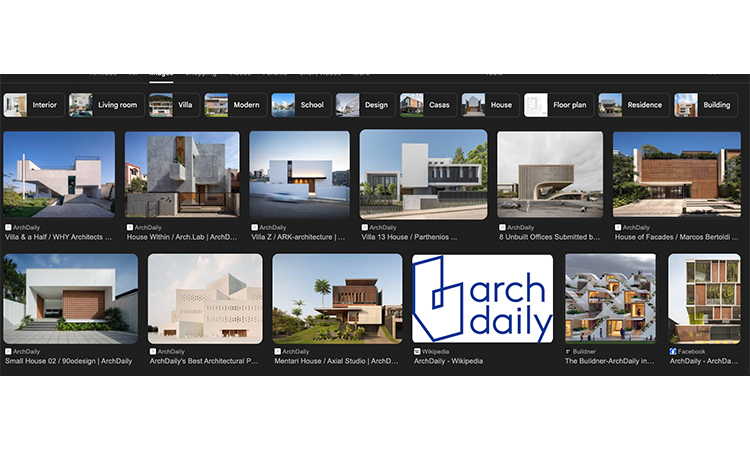
Images improve engagement but can slow websites if not optimized.
Steps:
- Compress image files
- Rename files with keywords
- Add descriptive alt text
- Use modern formats like WebP
Best Tools:
- TinyPNG
- ShortPixel
- ImageOptim
- Add Internal Links
Internal linking connects different pages to your website through clickable links. It spreads link authority across your whole website. Architecture SEO services use this to boost key pages.
Steps to Follow
- Link from blog posts to your main service pages.
- Use keyword-rich anchor text in internal page links.
- Ensure every important page has at least three links.
- Build topic clusters around core service offerings.
- Audit internal links quarterly using a crawl tool.
Best Tools
- Screaming Frog — find internal link gaps quickly.
- Ahrefs Site Audit — internal link reporting feature.
- LinkWhisper — smart internal linking plugin for WordPress.
- Improve URL Structure
Clean URLs help users and search engines understand page topics.
Steps:
- Keep URLs short
- Include target keyword
- Remove unnecessary words
- Use hyphens between words
Best Tools:
- WordPress Permalink Settings
- Rank Math
- Yoast SEO
- Increase Page Speed
Fast websites improve rankings and user experience.
Steps:
- Compress images
- Enable caching
- Minify CSS and JavaScript
- Use fast hosting
Best Tools:
- Google PageSpeed Insights
- GTmetrix
- WP Rocket
- Off-Page SEO for Architecture Firms
Off-page SEO for architecture firms refers to actions taken outside your website to improve its prominence and search rankings. It primarily focuses on building high-quality backlinks from design publications, local directories, and industry portfolios like Houzz. Search engines see this as a sign that your company is a reliable and important expert.
- Put together good backlinks
High-quality backlinks are links from other trusted websites that point to your website. These links help search engines view your firm as credible and authoritative. In architect SEO, backlinks improve rankings, increase referral traffic, and improve search rankings.
- Expert Tips to Get Better Backlinks
- Publish unique architecture insights that industry blogs want to reference. Original research and expert opinions earn natural links faster.
- Create detailed case studies from completed architecture projects. Real project breakdowns attract links from design communities and publications.
- Write guest articles for architecture, construction, and real estate blogs. Educational content builds authority and earns relevant backlinks.
- Build relationships with industry partners like contractors, developers, and interior designers. Partner websites often link to trusted collaborators.
- Earn digital PR mentions by sharing awards, firm milestones, or expert commentary with journalists and local media.
- Get Featured in Local News
Mentions in local news improve authority and local trust. They also generate quality backlinks.
Steps:
- Share firm milestones with media outlets
- Announce new office openings
- Promote award wins and achievements
- Publish unique architecture insights
- Join community-building projects
Best Tools:
- HARO / Connectively
- Google Alerts
- Muck Rack
- Use Social Media for Brand Signals
Social media supports internet marketing and improves online visibility. It also helps distribute website content.
Steps:
- Share blog articles regularly
- Post project images weekly
- Promote design tips and insights
- Link back to service pages
- Engage with followers consistently
- Publish Guest Posts
Guest posting helps you to gain backlinks and reach your target audience.
Steps:
- Find architecture-related blogs
- Pitch helpful article ideas
- Write expert educational content
- Link naturally to your website
- Focus on trusted websites only
Best Tools:
- BuzzSumo
- Ahrefs Content Explorer
- Hunter.io
- Encourage Online Reviews
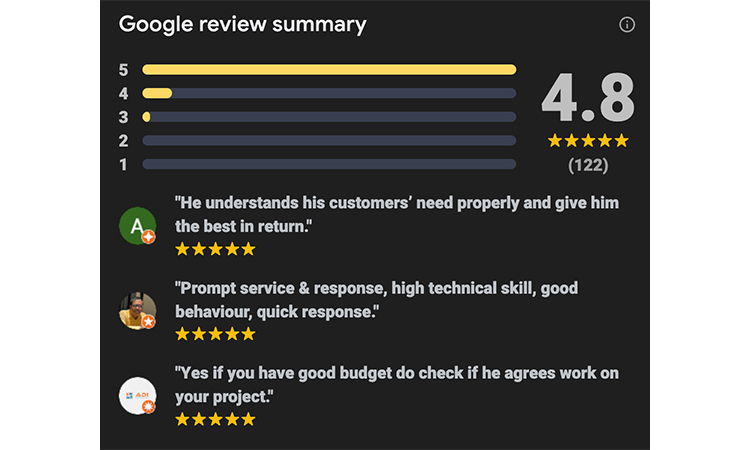
Reviews improve trust and support local SEO performance.
Steps:
- Ask happy clients for feedback
- Request Google reviews
- Collect Houzz testimonials
- Respond professionally to reviews
- Highlight reviews on your site
Best Tools:
- Google Business Profile
- Podium
- Birdeye
- Build Brand Mentions
Brand mentions help Google understand your firm is trusted even without direct links.
Steps:
- Join podcasts and interviews
- Speak at events
- Collaborate with influencers
- Publish expert quotes
- Monitor mentions regularly
Best Tools:
- Google Alerts
- Mention
- Brand24
- Support On-Page SEO with Off-Page Signals
Off-page SEO works best when combined with strong on-page elements like title tags, meta descriptions, optimized site structure, image- Alt text optimization, URL-Slug optimization and quality website content. External trust indicators make your internal SEO work more effective.
- Technical SEO for Architecture Websites
Technical SEO for architecture websites involves optimizing backend structures to ensure search engines can crawl and index your site effectively. It focuses on site speed, mobile-friendliness, and secure connections, ensuring high-resolution project images load quickly without compromising the user experience.
- Crawlability and Site Structure
Crawlability means search engines can access your site. Good structure helps bots find all website pages. SEO for architects starts with a solid site foundation.
Steps to Follow
- Create a clear XML sitemap for your website.
- Submit the sitemap to Google Search Console today.
- Use a logical URL structure for all pages.
- Fix broken links that block crawling immediately by creating 404 Page & deindexing it through Google Search Console.
- Avoid orphan pages with no internal links.
Best Tools
- Screaming Frog SEO Spider — free up to 500 URLs.
- Google Search Console — monitor crawl coverage.
- Sitebulb — visual crawl audits for your site.
- Page Speed Optimization
Page speed measures how fast your site loads. Slow sites hurt rankings and lose visitors fast. Architecture website optimization needs fast-loading pages.
Steps to Follow
- Compress all project images before uploading them.
- Use WebP format for portfolio and gallery images.
- Enable browser caching through your server settings.
- Minify CSS, JavaScript, and HTML files always.
- Use a CDN to speed up global delivery.
Best Tools
- Google PageSpeed Insights — free speed scoring tool.
- GTmetrix — detailed speed report with waterfall chart.
- Cloudflare — free CDN and performance optimization.
- Mobile Optimization
Mobile optimization makes your site work on phones. Google uses mobile-first indexing for all websites. Architect SEO must prioritize mobile experience today.
Steps to Follow
- Use a responsive design theme for your website.
- Test every page using Google’s Mobile-Friendly Test.
- Ensure buttons are large enough on mobile screens.
- Avoid pop-ups that block content on mobile.
- Keep font sizes readable on small screen sizes.
Best Tools
- Google Mobile-Friendly Test — quick mobile check tool.
- BrowserStack — test on real mobile devices easily.
- Lighthouse — built into Chrome DevTools for audits.
- Core Web Vitals
Core Web Vitals are Google’s user experience signals. They measure loading, interactivity, and visual stability. Architecture SEO services focus on passing all three measures.
Steps to Follow
- Improve Large Contentful Paint (LCP) by optimizing your largest page element. It should be less than the first 2.5 seconds.
- Reduce Interaction To Next Paint (INP) by removing heavy JavaScript from pages. It should be less than 200 milliseconds.
- Fix Cumulative Layout Shift (CLS) by setting image dimensions in your code which should be less than 0.1.
- Use lazy loading for images below the fold.
- Monitor scores monthly in Search Console’s report.
Best Tools
- Google Search Console — Core Web Vitals report.
- PageSpeed Insights — real field data per URL.
- Web Vitals Chrome Extension — live page scoring.
- Schema Markup (Structured Data)
Schema markup adds structured data to your pages. It helps Google understand your content better. Schema boosts SEO for architects with rich results.
Steps to Follow
- Add Local Business schema to your contact page.
- Use a Professional Service schema for your firm’s details.
- Add Breadcrumb List schema to all website pages.
- Mark up portfolio projects with Creative Work schema.
- Validate schema using Google’s Rich Results Test.
Best Tools
- Google Rich Results Test — validate schema instantly.
- Schema.org — official schema vocabulary reference site.
- Merkle Schema Markup Generator — build schema fast.
- HTTPS and Site Security
HTTPS secures your site with an SSL certificate. Google treats HTTPS as a direct ranking signal. Architect SEO must include a secure, trusted domain.
Steps to Follow
- Install a valid SSL certificate on your server.
- Redirect all HTTP pages to HTTPS versions automatically.
- Check for mixed content warnings in Search Console.
- Renew your SSL certificate before it always expires.
- Enable HSTS headers for stronger browser security.
Best Tools
- SSL Labs — free SSL certificate quality checker.
- Why No Padlock — find mixed content issues fast.
- Cloudflare — free SSL and security layer service.
- Robots.txt Optimization
A robots.txt file tells search engines which pages they can or cannot crawl. Proper setup prevents wasted crawl budget.
Best Tips:
- Block private admin pages only
- Allow important service and blog pages
- Avoid blocking CSS or JavaScript files
- Test file settings before publishing
Best Tools:
- Google Search Console
- Screaming Frog
- Fixing Crawl Errors
Crawl errors happen when search engines cannot access your pages. These errors hurt visibility and indexing.
Best Tips:
- Check crawl reports monthly Repair broken internal links
- Update deleted page URLs
- Remove redirect loops quickly
Best Tools:
- Google Search Console
- Ahrefs Site Audit
- Canonical Tags
Canonical tags show search engines the main version of a page. They prevent indexing confusion.
Best Tips:
- Add canonicals to duplicate pages
- Use self-referencing canonicals
- Check tag setup after redesigns
- Keep one canonical per page
Best Tools:
- Yoast SEO
- Screaming Frog
- Avoid Duplicate Content
Duplicate content confuses search engines and weakens rankings. Every page should provide unique value.
Best Tips:
- Write original service descriptions
- Avoid copying location pages
- Merge similar low-value pages
- Rewrite repeated metadata
Best Tools:
- Copyscape
- Siteliner
- Proper 301 Redirects and Handling 404s
Redirects send users and search engines from old pages to new ones. A good redirect setup preserves SEO value.
Best Tips:
- Redirect deleted pages properly
- Point old URLs to relevant pages
- Avoid redirect chains
- Customize 404 pages for users
Best Tools:
- Redirection
- PluginAhrefs Audit
- Lazy Loading for Images and Videos
Lazy loading improves speed by loading media only when needed. Faster pages improve rankings and user experience.
Best Tips:
- Enable lazy loading for large images
- Use lazy loading on videos
- Test mobile performance after setup
- Avoid lazy loading critical above-fold content
Best Tools:
- WP Rocket
- LiteSpeed Cache
How to Do SEO Performance Measurement for Architects?
Measuring SEO for architects’ success ensures your firm’s digital presence translates into real-world blueprints. Use these key performance indicators (KPIs) to track your progress and refine your strategy:
- Monitor Organic Traffic Growth
Track the number of visitors arriving via search engines like Google. You should focus on the service pages and project portfolio sections. Consistent growth in these areas indicates your content resonates with potential clients.
- Track Keyword Rankings
Identify high-value terms such as “sustainable residential architects or commercial design firms near me”. Use tools like Google Search Console to see where you rank. Aim for the top three positions for localized “near me” queries.
- Analyze Backlink Quality
Quality outweighs quantity in the architectural industry. Monitor links from reputable design blogs, local chambers of commerce, and industry giants like ArchDaily or Dezeen. High-authority links validate your firm’s expertise.
- Measure Conversion Rates
Traffic is meaningless without action. Track how many visitors complete specific goals:
- Contact form submissions.
- Phone call clicks.
- Project brief downloads.
- Newsletter sign-ups.
- Evaluate Local SEO Performance
For architects, local visibility is vital. Monitor your Google Business Profile insights. Pay attention to how many users request directions to your office or view your Featured Projects photos.
- Check Engagement Metrics
Review Bounce Rate and Average Session Duration. If users spend several minutes browsing your high-resolution image galleries, search engines view your site as helpful and authoritative.
Essential Tools for Measurement
| Tool | Primary Use |
| Google Analytics | User behavior and conversion tracking |
| Google Search Console | Keyword health and technical indexing |
| Semrush / Ahrefs | Competitor analysis and backlink audits |
| Google Business Profile | Local search and map visibility |
Frequently Asked Questions
Ans. The best tools for SEO for architects include Ahrefs, Semrush, Google Search Console, Google Analytics, Screaming Frog, and Surfer SEO. These tools improve audits, keyword research, backlinks, and ranking analysis.
Ans. Local rankings improve when architects optimize Google Business Profile, build citations, collect reviews, create local content, and maintain consistent contact details. Strong local relevance is a major ranking factor.
Ans. Architecture portfolio SEO improves through image optimization, keyword-rich descriptions, internal links, alt text, mobile-friendly design, and fast loading speed. User experience is an important Google ranking factor.
Ans. Affordable architect SEO packages usually include keyword research, on-page SEO, local SEO, content writing, backlink building, and monthly reporting. Custom plans help smaller firms manage budgets effectively.
Ans. An SEO agency helps architects develop a strategy, improve rankings, fix technical issues, and grow traffic faster. Agencies save time and deliver expertise to rank your website appropriately.
Conclusion
SEO for architects is no longer optional if you want consistent online leads and long-term business growth. A strong search engine optimization strategy helps your architecture business rank higher, attract qualified clients, and turn your website into a lead generation tool. Architects can create enduring online visibility and maintain an advantage over rivals in search results by enhancing keyword targeting, local SEO, content, technical SEO, and backlinks.
Ready to Grow Your Architecture Firm Online?
If your website is not bringing in qualified leads, it is time to invest in SEO services for architects. Start optimizing your architecture website today to rank higher, attract ideal clients, and turn your portfolio into a powerful lead generation asset.

