





Building a quality-driven software product is just half of the battle you own. Now, you need to put the right effort into presenting it in front of the right and genuine buyers. Of course, it requires a solid marketing strategy with a proven approach. Meanwhile, it’s also a fact that organic channels take a lot of time, and you have to wait for a long time to see the desired outcomes. Here, PPC for software companies emerges as the right solution.
The most important thing you need to understand is that software buyers are intent-driven. So, PPC experts often consider this thing while running advertising campaigns and get the best outcomes. As per Google’s Economic Impact Report, organizations generate an average revenue of approximately $8 when spent $1 on Google AdWords.
The above stats reflect the increasing dominance of paid search, which continues to have an edge over many traditional channels, especially when precision targeting is implemented. Meanwhile, you will be able to get the benefits of paid search only when you do it with the right strategies.
In this post, we will explain some of the best strategies you can implement while running PPC for software companies to get the desired outcomes. Let’s explore more.
What is PPC for Software Companies?
PPC for software companies is something that serves its core purpose to drive targeted traffic that converts into demo requests, conversions at a sustainable cost, or free trial signups. It’s indeed an important marketing tool for many SaaS businesses since it provides:
- Precise targeting: It ensures your campaign can reach the targeted audience segmented through company size, job title, search behavior, etc.
- Quick visibility: When compared to SEO, PPC management software ensures your message is displayed in front of buyers.
- Get Full Control: It guides users from awareness to conversion with customized PPC ads at every stage.
For a software company, the right PPC strategy allows them to encourage more users to sign up for various reasons, like book a demo, free trial, start a subscription, and more. It’s indeed a fact that the SaaS industry is highly saturated, and businesses need to stand out. PPC optimization indeed works well in this case.
Why PPC is Important for a Software Company
According to the Content Marketing Institute, 61% of B2B marketers say that PPC is the most effective advertising option. One of the top benefits of PPC for software companies is that they can target any specific demographics and keywords. You get flexibility on keywords that are directly related to your software products. It allows you to ensure the appearance of your ad among your target audience. Besides, you can also target certain specific demographics, including age, location, interests, etc.
- Gain Fast Visibility
It’s important to keep in mind that software buyers are constantly in search of the right solutions based on their specific issues. And PPC strategy helps software providers to ensure their appearance quickly at the top of search results. This quick appearance is indeed highly important for niches. It’s indeed important for new product launches, entering any new markets, new features rollouts, and more.
- Precise Audience Control
Another advantage of PPC for software companies is that it allows a software company to have full control over those who come across their advertisements. It gives them a wonderful opportunity to target an audience based on industries, type of company, job roles, devices, location, behaviors, etc. It gives them complete surety that your pay-per-click advertising reaches the right audience in terms of decision makers, IT heads, CTOs, product managers, and others.
- High-intent Targeting
An impeccable PPC strategy has the capability of capturing high-intent users. Those who are genuinely interested in buying software solutions use the following keywords:
- Best CRM software
- SaaS solutions for business
- Replace the legacy system.
- Best CRM software
- Cloud security platform
Of course, these keywords reflect a higher purchase intent. By running a PPC campaign, you can bid on these keywords and then present tailored landing pages that address the pain points of users directly. It, of course, results in high-quality leads.
- Scalable Lead Generation
PPC for software companies encourages them to increase their ad budget as long as they think the campaign is profitable for them. And they will be able to generate leads even without overhauling the entire strategy. In other words, this form of campaign has a great ability to scale with your core growth objectives, whether you are a SaaS startup looking for initial traction or an enterprise software organization seeking to expand globally.
- Real-time Optimization
PPC platform enables marketers to optimize campaigns consistently and thus provide real-time performance data. Software companies can perform various activities like testing ad copy, creating landing pages, using keywords, and implementing the right bidding strategies to boost conversion rates and minimize cost per lead. The data-based approach is necessary to reduce guesswork and thus increase ROI.
- Accelerate Growth
A highly effective and strategy-driven PPC campaign allows software companies to increase revenue growth through combining precise targeting, quick visibility, and scalable lead generation. It offers complete support to sales pipelines with genuine leads, offers predictable performance, complements long-term SEO efforts, and more. These make PPC highly important for a software company.
10 Strategies for PPC for SaaS Companies to Get Guaranteed Results
Now, we will talk about impeccable strategies you can go with for the launch and run PPC for software companies successfully, and thus get better outcomes. Let’s explore each step in-depth to help you leverage it better for your campaign:
1. Detailed Keyword Research
No matter what, keywords play a vital role in making your campaign successful. You need to take into account that it’s the backbone of a high-performing PPC campaign. Therefore, you need to work effectively to use the best keywords to access the right intent of your audience.
It’s highly important to perform keyword research that will accomplish several things in your great planning journey. It, of course, provides you with the following important benefits:
- It helps you discover the exact volume of your phrases related to your software.
- It helps you create a landing page copy and thus messaging for your advertisements.
- It helps you understand the actual needs of potential customers and thus helps you focus on the features you need to include in the future.
- It helps you understand the actual psyche of your target audience. You will be able to know what they think and also what they look for in any solution to their problem.
Once you are familiar with your buyer persona, it helps you know various keyword phrases you can use to conduct your keyword research properly. You will come across a large number of tools for keyword research. Google Keyword Planner and Ahrefs are two of those. For instance, we will use tools like Ahrefs to discover actual user behavior.
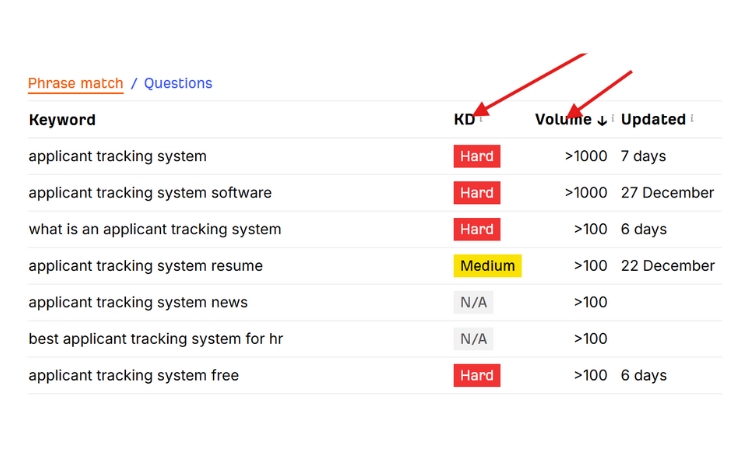
In the above image, you can see the tool displays keywords along with “Keyword Difficulty (KD)” and “Volume”.
Use Long-tail Keywords
It’s really important to focus on long-tail keywords with explicit intent. The longer your keyword phrase is, the better the signal that the searcher is further along in the consideration process. And thus it helps you get more qualified prospects.
To find long-tail keywords, you can leverage “keyword.io” too. It delivers accurate results.
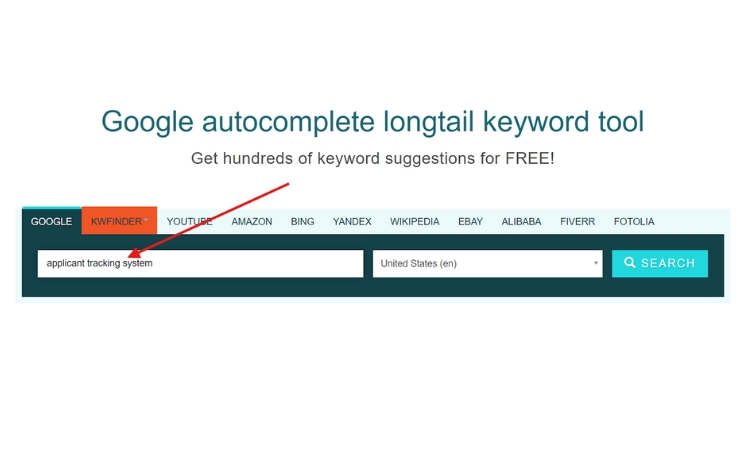
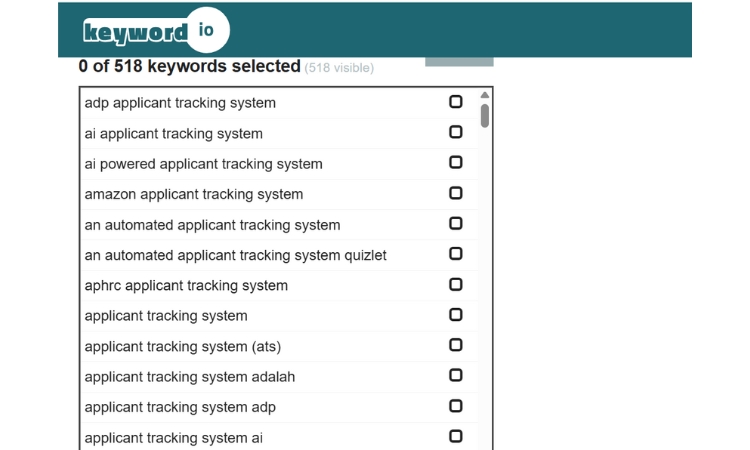
In the above result, we put the seed keyword, and the tool displays results as follows. You can use the above keywords to get the top results.
Use Competitor Keywords
It’s also a good idea to use your competitor’s keywords. Though it seems to be very controversial, it’s indeed permissible and also a valid strategy. It, of course, helps you capture a lot of attention for your brand. So, you may be thinking of how to find the competitor’s keywords, right? Well, again, you can use a perfect tool to discover the same. For instance, we will use “SEO.AI”, a well-known and reliable tool.

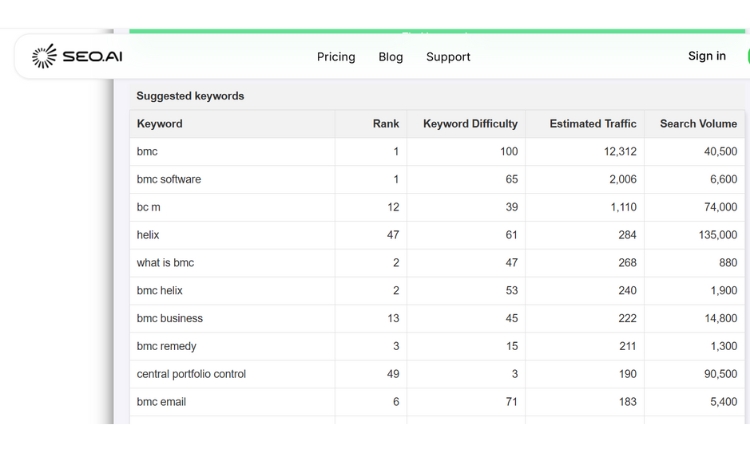
2. Focus on Your Customer Lifetime Value (CLV)
When it comes to CLV, it emerged as a calculation of the actual amount of ad spend, especially during the entirety of a relationship with your organization. The temptation of a large number of software companies is to produce a vast quantity of leads. So, it’s indeed quite necessary to determine your CLV.
Besides, you should also keep in mind the cost per acquisition (CPA) related to PPC for software companies and observe the way it measures up with your “customer lifetime value”. The CLV associated directly with your customers is often brought in form PPC, which should align better with the ROI objectives of organizations.
You can apply the following important formula for determining CLV:
Customer Lifetime Value = (Customer Value x Average Customer Lifespan)
It’s advisable to make an effective comparison of your CLV with the actual acquisition cost it takes to win a new customer. It helps you understand your PPC efforts are paying off if your average CPC is less than your average CLV.
3. Create and Optimize Ad Copy
Advertisers can use Google Ads for an effective comparison of the performance of ad copy to visualize how multiple variations stand up against each other. It’s indeed crucial to maintain consistent messaging in any location you witness a presence, from your SaaS product and your landing pages to the copy in your advertisements.
You can use phrases that focus on a low barrier to entry for your SaaS product. Users often seek to know what they invest their valuable time into will be effective and easy for them. Those seeking to buy a SaaS solution are not keen on an overwritten or verbose guide or tutorial.
You can consider the following results to create compelling ad copy for your SaaS tool.
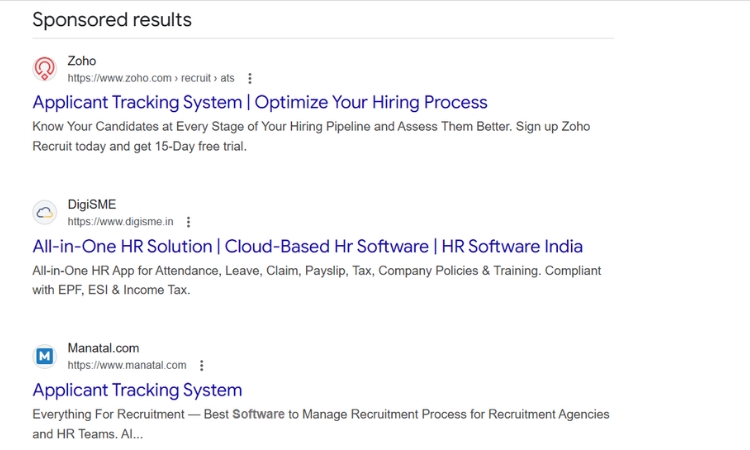
The above ads reflect brands promoting their tools by promising users to save their time, optimize, process, and get a free demo.
The platform should be easy to learn, and one needs to communicate it easily. It’s advisable to provide a free product trial while ensuring it becomes visible in the ad copy for the advertisement that appears on the landing page.
4. Create Dedicated Landing Pages
Make sure you create a separate landing page for your PPC campaign by following the latest standards. Some of these practices are as follows:
- The page should have a clear goal.
- It should match exactly the ad message.
- Include a short but smart form.
- Mobile responsive and Good loading speed
- Use bold call-to-action (CTA)
The next important thing you can do is to optimize your landing page with your targeted keywords. You need to understand that a keyword-based landing page for PPC for software companies keeps great importance for several reasons:
- It matches exactly the context of the user’s query, especially when they come to your website through your ad.
- It also plays a vital role in increasing the quality score for those keywords implemented on the landing page in Google Ads. It permits you a highly affordable cost per click (CPC)
Meanwhile, not every business indeed has an adequate budget to create landing pages that include the targeted terms. In this scenario, it’s crucial to refine an individual landing page that is direct and to the point.
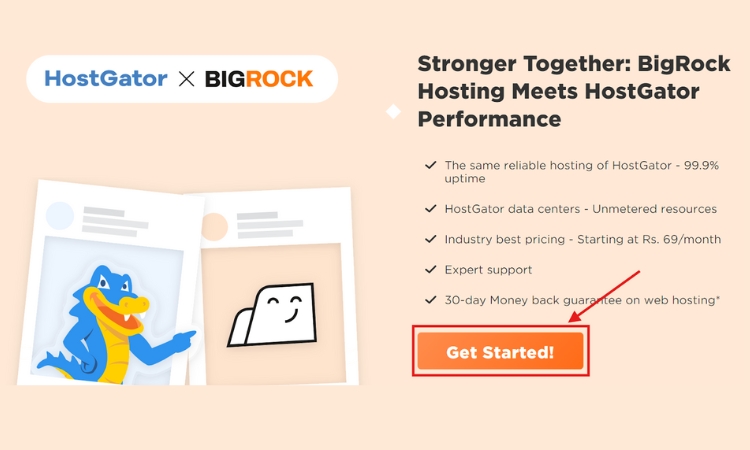
It’s advisable to keep content minimal on the dedicated page. Your main offer should be displayed in the top navigation of your landing page. Let’s understand the best example of a landing page by HostGator.
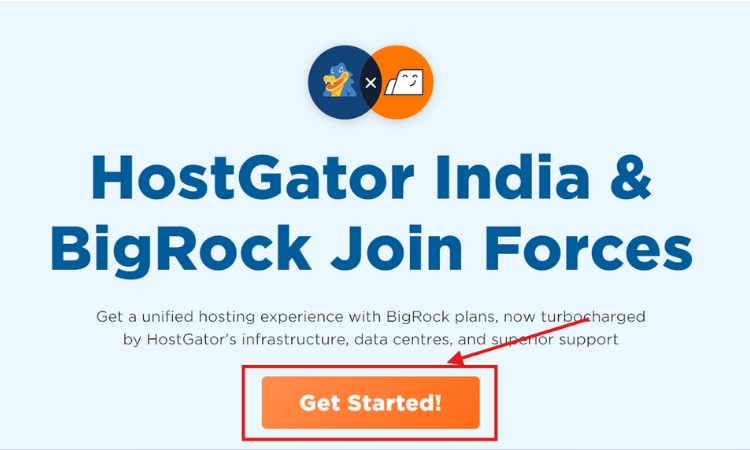
5. Go for Multi-Channel Advertising
You will come across a large number of channels that are indeed effective for advertising SaaS platforms, even beyond Google Ads. The following are the most important ideas you need to take into account:
- Programmatic Advertising
It’s basically a series of algorithmic exchanges in many prescribed placements across the web. You can find it similar to Display Ads. Meanwhile, the major difference between them is that they can be automated through AI as opposed to manual bidding with Microsoft and Google Ads. They can indeed be useful for SaaS platforms, mainly due to their nature of being automated, placing display ads according to the conditions you set.
- Native Advertising
When it comes to native advertisements, these are indeed less invasive compared to display advertising since they are quite subtle. They are generally placed on topical sites mainly related to the promoted service. These are indeed good for software companies since these ads can be easily targeted to the relevant websites that your target buyers visit frequently.
- Microsoft Ads
One thing you need to take into account is that Microsoft Ads functions in the same way as Google Ads. It can indeed be a good idea to explore based on the demographics of users for the SaaS platform. It yields even more affordable CPCs, as the use of the search engine is the same and thus not so competitive.
- Paid Social Media Ads
Social media ads witnessed great importance in today’s time, be it Facebook Ads or LinkedIn Ads. You will be able to narrow targeting these important platforms according to specific categories of users that would indeed be inclined to use your SaaS tool.
- Software Aggregator Sites
A large number of popular software aggregator sites are the best place to perform advertising. These sites include Capterra, Software Advice, SaaS review sites, GetApp, G2, and more. All you need to do is curate the top SaaS solutions into groups according to several important parameters. It’s indeed a good option to consider how placement on one of these important websites can benefit your brand.
6. Feature-based Campaigns
Feature-based campaigns are another option you can go with to get better outcomes from your campaign. These campaigns mainly emphasize specific use cases or major issues your SaaS product solves, rather than targeting your generic category or brand.
For instance, you may target “CRM with lead scoring, rather than bidding on CRM. So, you should use segmentation and targeting, which enables you to reach your target audience most effectively.
These users mainly look for solutions with intent, and also, your advertisement speaks directly to their use case, which boosts both conversions and CTR. You need to take into account landing pages that highlight the exact feature in action, which perform outstandingly in these campaigns.
- CPC: It varies between $1 to $8.
- ROI: It can be moderate to higher, especially when you use those keywords that are related to the pain point and specific.
- Good for: It’s best for software products with niche-based features. It should also have unique functionality.
- Audience: Users who look for solutions often search for those tools that meet specific requirements.
7. Retargeting Campaigns
Retargeting ads is a great strategy you should never forget to implement for your campaign. You can do it only when your campaign gains some data. You need to start following up with many site visitors who may have already expressed their interest in your product, but have not followed through.
There’s a possibility that they will not act when they see your ad. Retargeting ads have the capability of offering them a light nudge to remind them you still exist. There’s also a possibility that they may have chosen to try a competitor’s platform. But, they may not find the product the same as per their expectation after using it.
So, these are indeed great opportunities for a second chance offer that can use people’s memory of your product and thus encourage them to try.
When you target users at multiple stages of the marketing funnel, it enables you to customize retargeting ads. It ensures your messaging aligns better with their exact position in the complete buyer journey. They are quite useful, mainly for long sales cycles, where users may require several touchpoints before their conversion.
- Advertising Cost: Less CPC/CPM
- Revenue: Higher ROI since users are already familiar and down the funnel.
- Good for: It’s good for every SaaS business, especially long-sales-cycle or ACV products.
- Audience: Your audience can be blog readers, website visitors, trial users, demo sign-ups, and others.
8. Run LinkedIn Ad Campaigns
LinkedIn advertisement is another important form of PPC campaign that allows software companies to get the desired outcomes. With LinkedIn Ads Lead Gen Forms, they can submit their contact details. And for this, they don’t need to leave the platform. The LinkedIn Ads emphasize on important resources in return for business information, which is basically a pre-filled form with the use of LinkedIn profile data.
How to Run a LinkedIn Ad Campaign
Let’s go through various steps to run your LinkedIn campaign successfully.
- Be Aware of Your Goal
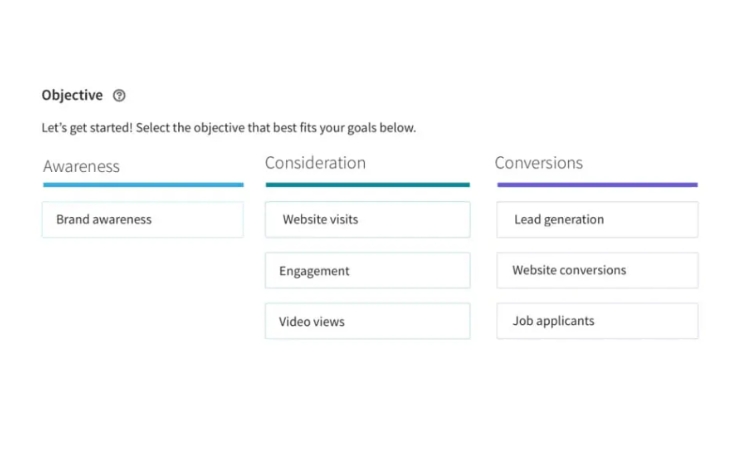
A clear goal is necessary before you launch your campaign. With LinkedIn, you come across many options like website traffic, brand awareness, lead generation, engagement, conversion, etc. When you select the right goal, it ensures that LinkedIn optimizes your ad campaign for the best outcomes.
- Select the Right Format
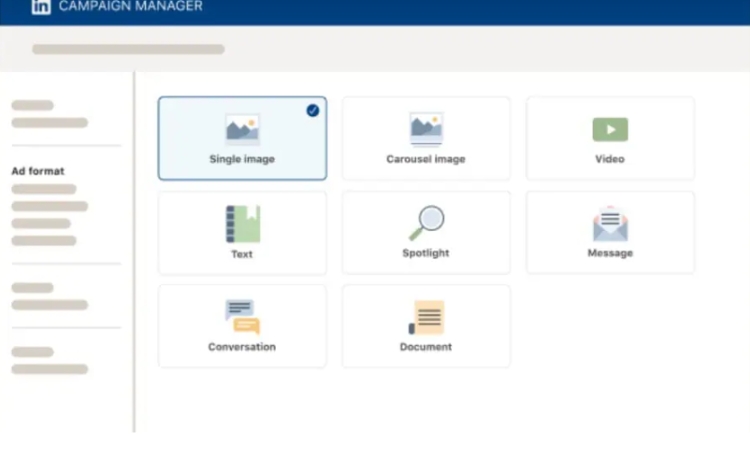
The next step you need to do is to choose the right format for your ad. You need to be aware of the fact that LinkedIn offers numerous ad formats, be it carousel ads, image ads, document ads, video ads, or lead generation forms. You need to select the best format according to your core campaign objective.
- Craft Impactful Ad Copy
Make sure your ad copy is value-driven, concise, and tailored to professionals. You need to do everything, be it highlighting the benefits, addressing specific points, or including a strong call-to-action. Make sure your ad copy is not overly promotional. It should be clear and relevant.
- Set Budget and Bidding Strategy
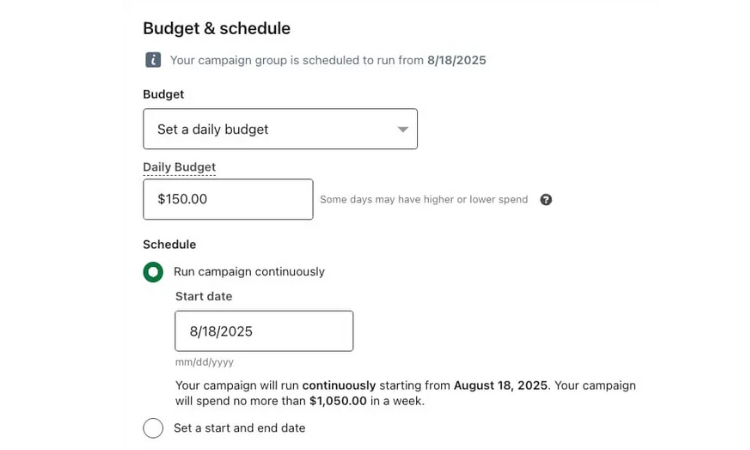
Now, it’s time to set up your budget, which could be either daily or even lifetime. Your selection should be based on your campaign size. LinkedIn enables CPM and CPC bidding. It’s advisable to start with LinkedIn’s suggested bid and also make an adjustment according to performance to control costs most effectively.

- Launch from LinkedIn Campaign Manager
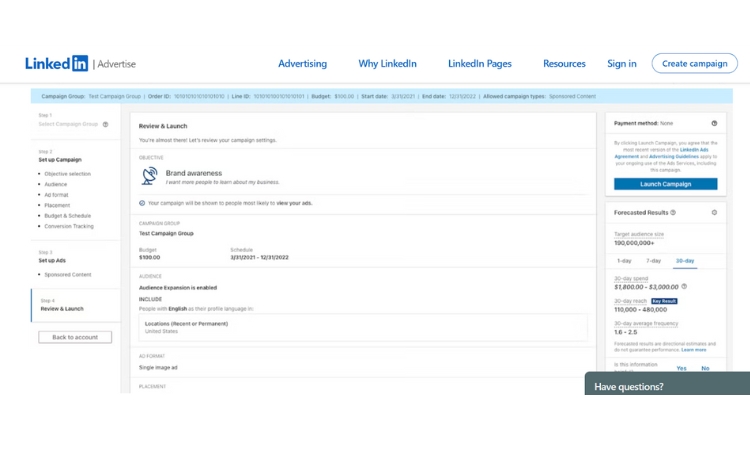
You need to now review everything in a proper way, once you complete targeting, budgeting, etc. Make sure you use LinkedIn Campaign Manager for organizing campaigns into scheduled start dates, groups, publishing ads, etc. A final review is something that keeps great relevance in avoiding any costly mistakes.
- Track Performance
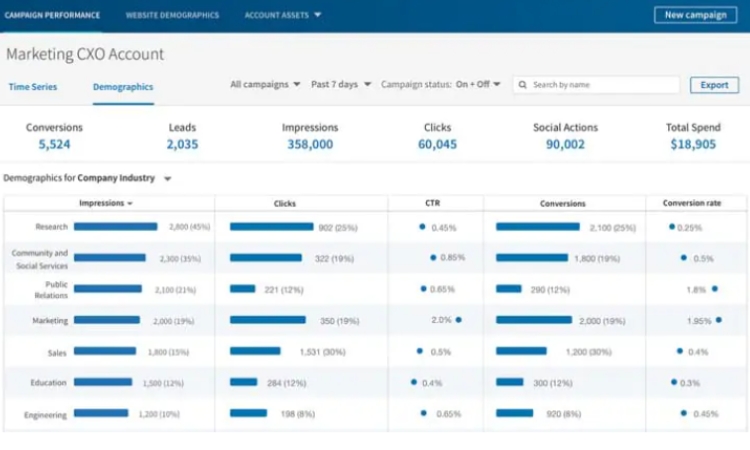
Once you launch your campaign successfully, you need to analyze metrics carefully. These metrics mainly include CTR, impressions, cost per lead, conversions, etc. You should pause those of various underperforming ads, refine the target, test new creatives, etc., to boost ROI over time.
9. YouTube Explainer Ads
With your YouTube video ads, you can display your SaaS product visually. It allows you to highlight important features, real-world use cases, share customer stories, and more. This platform allows you to run video ads that can be skippable bumpers, in-stream ads, discovery placements, and more.
How to Run a YouTube Explainer Ad
The following are important steps you can go through to create and launch your YouTube Explainer Ad successfully:
- Define Your Campaign Goal
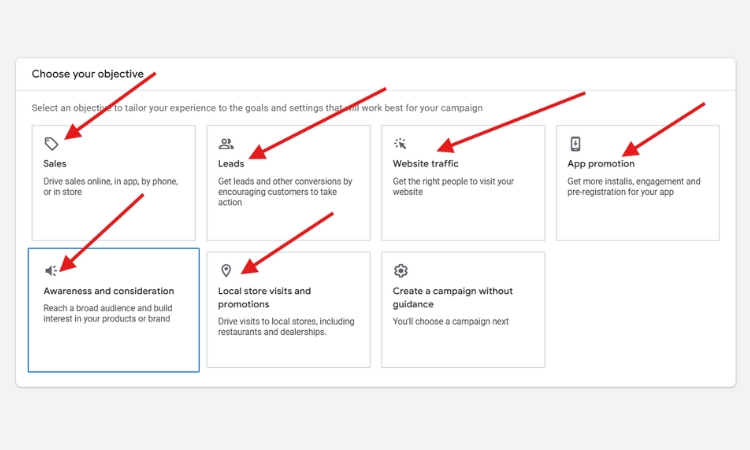
A clear objective is important for a successful YouTube Explainer Ads. You need to make an important decision in terms of whether your objective is increasing website traffic, brand awareness, conversions, or lead generation. Your decision should be based on your ad format, bidding strategy, performance metrics, etc.
- Create an Impactful Explainer Video
Make sure your explainer video matches the issue properly, highlights important benefits, and introduces your solution within the first few seconds. You need to keep it between 30 and 90 seconds, engaging visuals, use easy-to-understand language, and end with a strong CTA. You should focus more on value compared to features.
- Set Up Campaign in Google Ads
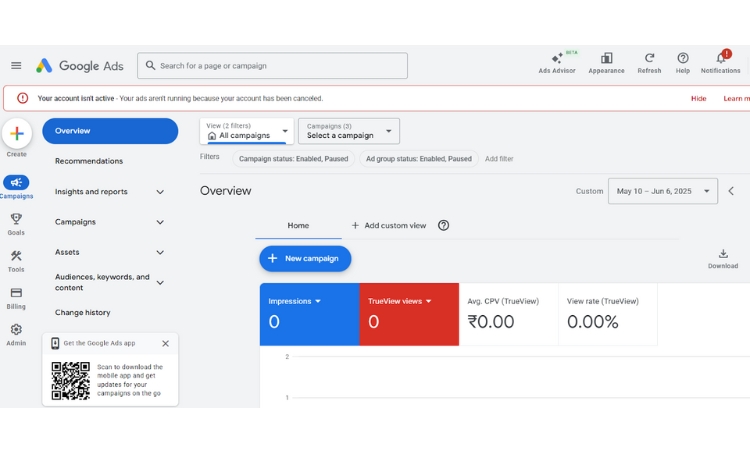
You need to log in to Google Ads and then click New Campaign. It’s advisable to select your campaign objective and opt for video as the campaign type. All you need to do is choose the right video subtype, including Skippable In-Stream Ads, according to your audience behavior and objective.
- Select the Right Target Audience
With targeting, you need to get clarity that your explainer ad can reach users who care. All you need to do is use interests, demographics, keywords, custom intent audiences, remarketing lists, or placements. It’s advisable to target more precisely, which is indeed useful to maximize engagement and ROI.

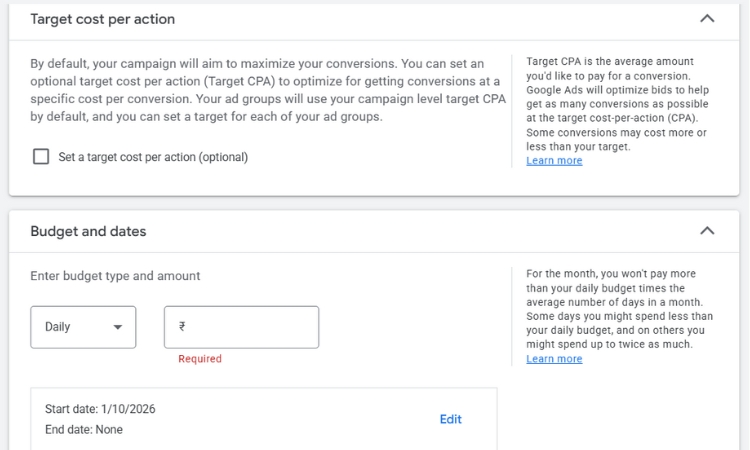
- Define Budget and Bidding Strategy
You need to set a total or daily campaign budget aligned with your ad spend. It’s important to select bidding strategies such as CPV for awareness or conversions. Besides, you can also start conservatively and then scale once your performance stabilizes better.
- Upload Video and Create an Ad Copy
You need to upload your explainer video, which should be from YouTube. Make sure you create an eye-catching headline, final URL, display URL, CTA, and more. It needs to align better with the video message. You need to create a bold ad copy that reinforces the value reflected in the video and increases click-through rates.

- Launch Your Campaign
You need to go through different settings and then publish the campaign. Make sure you analyze performance closely. Apart from this, you need to keep an eye on important metrics like view rate, views, CTR, watch time, conversions, etc. You need to use important details to optimize targeting. Creatives, bids, etc., for improved outcomes.

10. Meta or Facebook Ads
When it comes to Meta leads ads, these are an important type of paid advertising that allows users to submit their exact details directly within Instagram or Facebook with the use of a pre-filled form. These are quite often accompanied by certain offers like webinar invitations, downloadable guides, limited-time trials, etc. The digital advertising platform is indeed perfect for reaching even those of small business audiences or even early-stage buyers, especially in discovery mode.
How to Run a Facebook Ad?
Running a Facebook ad involves several steps. The following are some of these steps:
- Define Your Campaign Goal
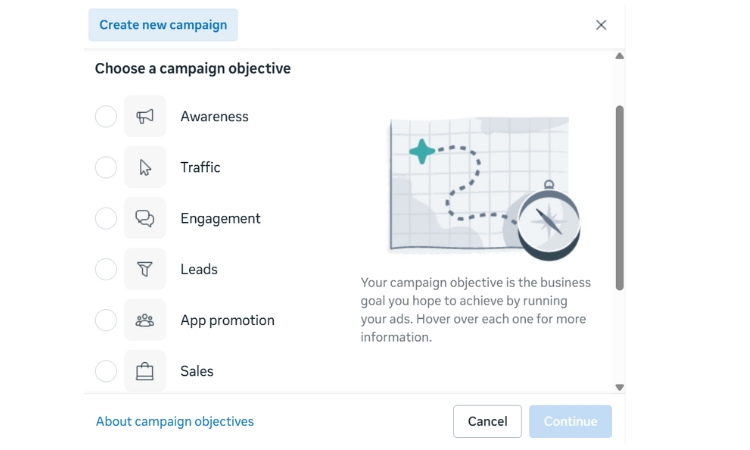
You need to define first what you need from your Facebook ad. It’s advisable to select the right option from the various available options, be it increasing brand awareness, engagement, traffic, sales, leads, or app promotion.
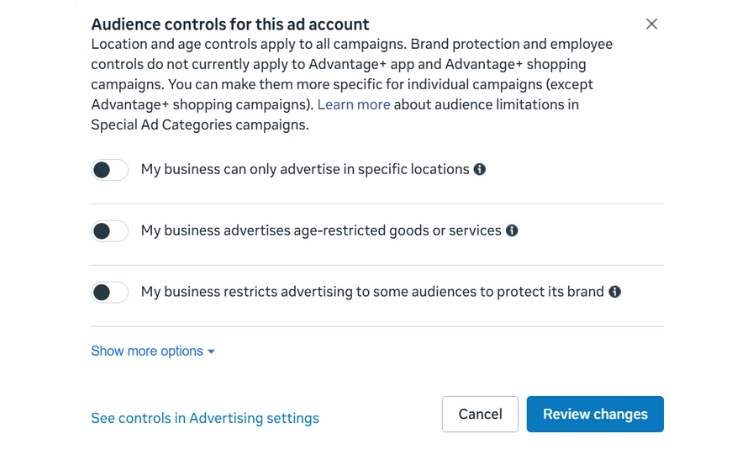
- Choose the Right Target Audience
The next step is to select your targeted audience, which is crucial to making your ad successful. You should define your target audience based on factors like gender, location, behaviors, interests, job roles, etc.
- Set Your Budget
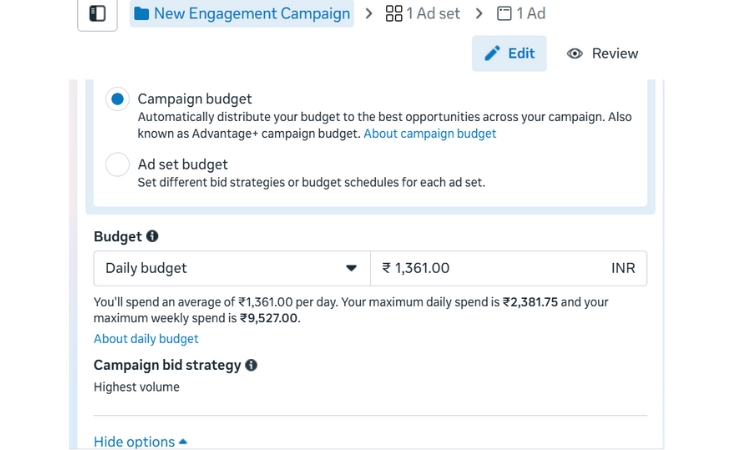
It’s time to mention how much you wish to spend to run your ad campaign. With Facebook, you will get an opportunity to set a lifetime or even daily budget for your campaign. It depends on the overall duration of your campaign. You are suggested to start with a modest budget, observe performance, and then scale ads gradually. It delivers a higher engagement and conversion.
- Select Ad Placements
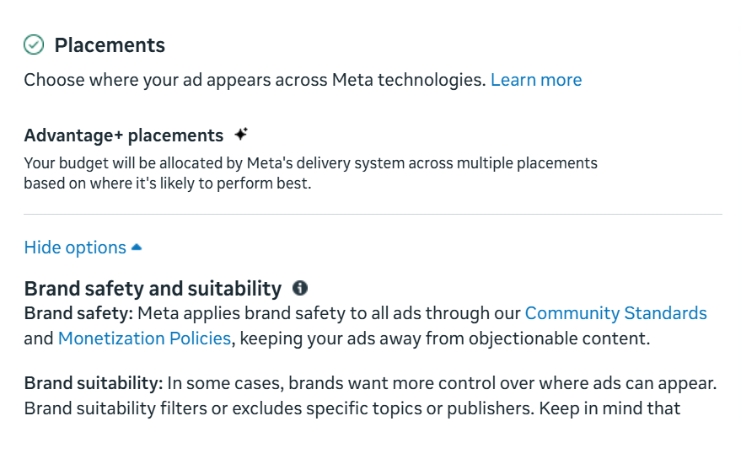
Now, you need to decide the exact position of your ad across the Meta platforms. You also get an option to choose “Automatic Placement”. It lets Facebook optimize delivery, or you can choose manual placements like Instagram Feed, Facebook Feed, Stories, Reels, etc.
- Create Eye-Catchy Ad Copy
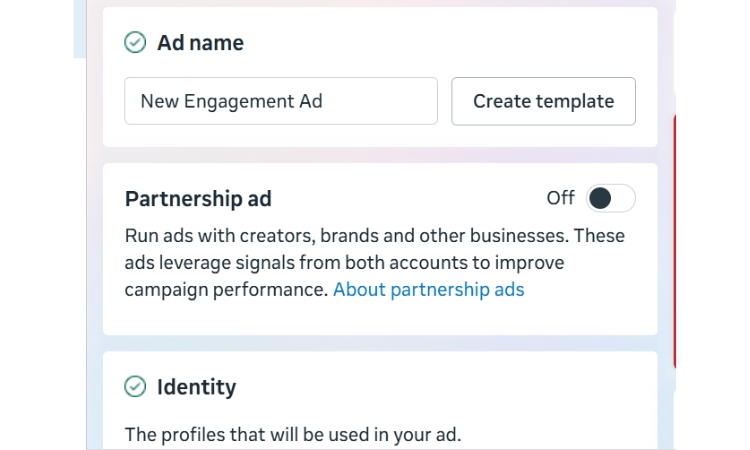
You need to make an eye-catching ad copy, which should be capable of catching the attention of the audience at first glance. Make sure your ad copy includes quality images, videos, etc. It should be crafted concisely, with a bold call-to-action, etc.
- Launch Your Ad
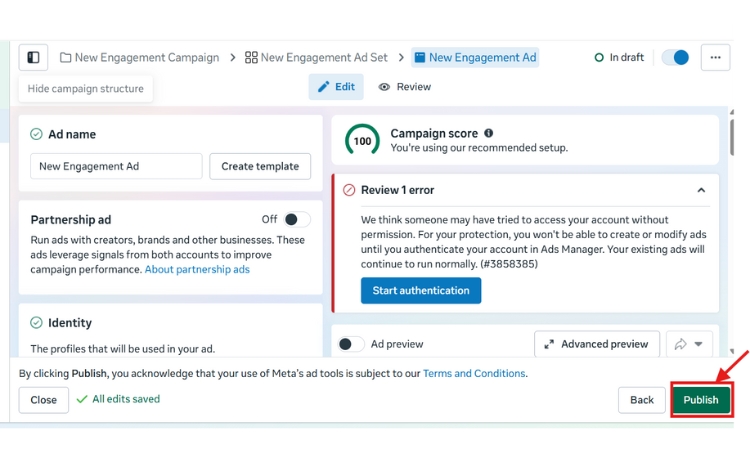
You should not forget to review your ad entirely before publishing it. You need to observe campaign settings, destination URLs, creatives, etc. Once you launch your campaign, Facebook reviews your ad for compliance. You need to go through performance metrics to check whether your campaign delivers the desired outcomes or not.
Common PPC Mistakes for SaaS to Avoid
Of course, everyone has an expectation while running a strategy-driven PPC campaign. In other words, it’s all about luring conversion-ready and qualified users. But, it’s also true that most software companies often burn their budget and end up getting no results due to several mistakes they commit. Let’s discuss some of those mistakes in detail:
- Improper CPC Planning
It’s been observed that a large number of software marketers don’t align them properly to customer lifetime value (LTV) and set their bids. It’s indeed a wrong practice. A high CPC can indeed be profitable only when your SaaS has a great upsell potential and customer acquisition and retention. With improper CPC planning, you fall into the risk of either underbidding or overspending.
- An Inferior Quality Score Management
You need to take into account that Quality Score is highly important. So, ignoring it can indeed be a big mistake. It leads to increased CPCs and also lower ad rankings. Your SaaS PPC campaign maintains consistency in improving landing page experience, optimizing ad relevance, expected CTR for keeping Quality Score higher, while keeping cost under control.
- Avoiding Negative Keywords
When you don’t focus much on implementing negative keywords in your PPC for software companies, you will end up attracting irrelevant traffic. Not to mention, irrelevant traffic never converts. SaaS products often get higher clicks from users seeking free tutorials, tools, unrelated solutions, and more. You need to review search term reports daily and also add negative keywords, which helps filter out poor-quality traffic and also helps you protect your budget.
- Targeting Broad of Low Intent Keywords
Broad keywords often fail to boost revenue. You need to take into account that SaaS PPC success relies mainly on targeting high-intent queries like “demo”, “software pricing”, “best industry or solutions”. When you rely extensively on generic keywords, it maximizes costs while minimizing conversion rates.
- Poor Audience Targeting
A large number of SaaS campaigns often avoid audience segmentation, which indeed has bad repercussions. If you don’t leverage job roles, firmographics, remarketing lists, and in-market audiences results, it’s indeed wastage of impressions. PPC for software companies works great when ads appear to decision-makers who meet your ideal customer profile (ICP).
Hire a Leading PPC Company for Generating Quality Leads
A successful PPC campaign requires a solid strategy and a better approach to get an edge over competitors. It not only helps you generate a higher lead but also makes your investment worthwhile. And this is something you can definitely achieve by hiring a reliable PPC company that has enough experience in running campaigns in your niche. Let’s explore some other advantages of hiring them:
- An experienced PPC service provider often goes beyond running your ad campaign.
- They have the capability of aligning campaigns with your sales funnel, optimizing bids, targeting high-intent keywords, etc., according to real conversion data.
- A trusted PPC company guarantees every click has a revenue potential, right from crafting compelling ad copy to enhancing quality score and landing page performance.
- They experiment with different marketing methods like remarketing, advanced audience targeting, continuous A/B testing, etc. It minimizes wasted spend and thus boosts ROI.
FAQ’s
Ans- Well, PPC serves as a digital advertising model where businesses need to pay only when their ads are clicked by users. It helps in increasing visibility, boosting targeted traffic, generating measurable leads, etc., across both social and search platforms.
Ans- Yes, PPC is better than SEO in terms of getting quick results, whether it’s fast lead generation or visibility. But SEO works well when it comes to long-term organic growth and sustainability.
Ans- No, PPC can’t directly help in increasing the SEO ranking of your website. Meanwhile, it supports search engine optimization by increasing targeted traffic, offering keyword insights, enhancing brand visibility, etc. It helps you optimize organic content and thus overall search performance.
Ans- Well, marketing for any software company is something that requires discovering their targeted audience, using SEO, PPC, crafting value-based content, email campaigns, and more.
Ans- The cost of running a PPC for software companies is certainly not constant. It varies based on numerous factors like keywords, competition, target market, and more.
Ans- Well, PPC delivers immediate results as soon as you start your campaign. To get the best results, you may need to optimize your campaigns continuously with ad copy, target keywords, conversion tracking, etc.
Conclusion
The above discussion clearly reflects that PPC has a lot of potential for a software company to grow. It delivers immediate results and thus helps you find potential buyers for your products. You need to take into account that the lead-nurturing process is completely different for many SaaS companies compared to other businesses.
Make sure you test landing page design, content, keywords, messaging, targeting, and more. You need to use the right PPC tools to get the best results. Get in touch with a professional PPC company that promises to work with the right strategy and deliver the most promising results.

