





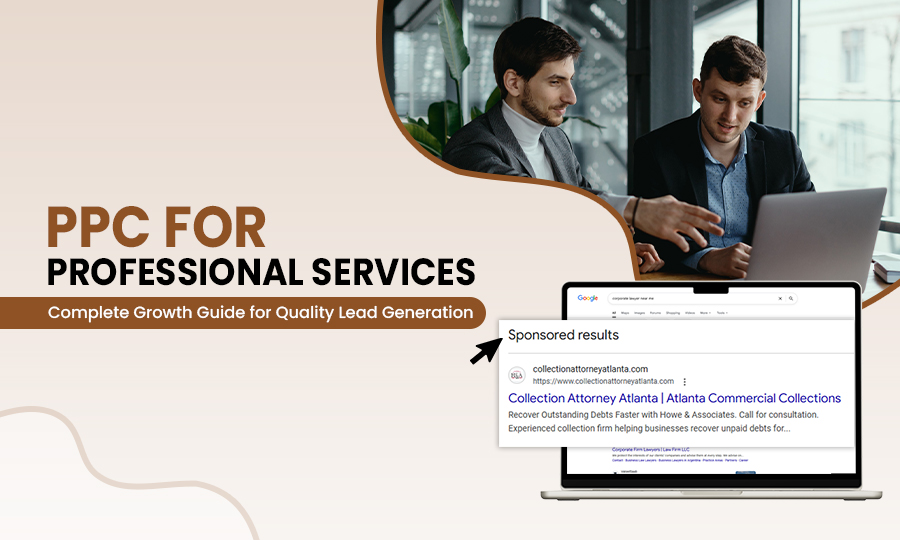
Businesses that utilize PPC for professional services want customers to come in quickly and often. They do get clicks and some questions, but most of them aren’t qualified, are concerned about pricing, or aren’t ready to buy. This makes the sales pipeline worse. Researchers indicate that 79% of marketing leads never turn into sales. This makes it more expensive to obtain new customers.
The problem isn’t the platform; it’s how the ad campaign was set up. The ad’s targeting is too broad; therefore, it brings in the unqualified people. People are interested in the ad, but they don’t want to buy. You can’t make a choice based just on the landing page. You also can’t tell the difference between leads that aren’t worth much and leads that might become clients.
Across industries, the average website conversion rate is 2–3%, while Google Ads reports an average conversion rate of 7.52%. This gap highlights untapped potential and suggests many campaigns still fail to align with how users actually research, evaluate, and make purchase decisions.
A click only turns into a customer if the offer is what they want. This blog will explore how to solve it and make PPC a terrific strategy to gain new customers.
What is PPC for Professional Services?
PPC for professional services is the process of reaching new clients through a paid acquisition model. When someone searches for “tax consultant for startups” or “corporate compliance lawyer,” they are doing so to find an experienced individual to help them complete a critical business task, not just browsing websites casually.
Because of this, professional service PPC is different than general PPC in several ways:
- Intent is Crucial: Volume is Not
Though many companies will see traffic from broad keywords, very few will actually acquire clients. Campaigns that are specifically targeting high-intent, decision-maker stage queries are best, rather than those focused solely on research-type queries.
- Establishing Trust is Necessary for Conversion;
Simply getting a user to click on an ad is not sufficient to convert that user into a client. Ads and landing pages need to convey expertise, experience, and reliability after the initial user experience with the ad, as users will not be able to evaluate your service quickly after clicking.
- Qualification is built into the funnel
Not all clicks will generate leads. An effective campaign will filter qualified prospects by type of business, level of urgency, and budget.
- Success is measured in clients, not leads
Metrics are not measured by the number of likes on a post. The true objective is to establish the consultation and then convert that consultation into a paying client. If PPC advertising doesn’t generate revenue for your business, it won’t work.
- The role of PPC in the professional service industry
PPC isn’t only used for the sake of having a presence; rather, PPC is intended to help place your organization as a viable choice in the buyer’s process at the precise time they decide to buy.
When used effectively, it achieves three things:
- Captures demand at the moment it is created
- Eliminates unqualified prospective customers at the earliest opportunity
- Drives potential customers toward consultation and converting to paying clients
PPC for professional services is designed to create and qualify high-value clients, not just drive traffic.
Key Benefits of PPC for Professional Services
PPC for professional services is about matching potential clients’ expectations by targeting high-intent searches. It is not just about getting your business seen; it is about being visible when a potential client is researching their options.
Here are some key benefits of doing PPC for Professional Services to achieve fast & quality lead conversions:
- Instant Visibility
When you set up a PPC campaign, your business shows up near the top of the search engine results page (SERP) as soon as the campaign goes live. You don’t have to wait for organic SEO to grow before you can create demand for something that needs to happen quickly, like when the founder of a start-up searches for “start-up incorporation attorney.” A PPC ad shows your business to the founder of the start-up right away.
- Access to Intent-Based Customers
With PPC, you may reach people who are looking for something right now. You already know these people. They are already asking for ads. When they type up “NRI tax consultant India” or “corporate compliance lawyer,” they have a clearer notion of what’s going on and feel like they need to act quickly. This is why PPC is one of the finest strategies to generate leads that want to buy.
- Control over Budget and Location
You decide how much to spend on advertising and where to show those ads. For example, a small company might only show ads in a specific location, while a large company might show ads in many locations. You don’t have to guess how much to spend; you can see how much you need to spend each day. None of the other channels give you that much control.
- Track Performance and ROI
You can see every click, lead, and conversion. In professional services, when agreements are worth a lot of money and people expect you to be accountable, it’s important to be able to analyze cost per lead (CPL), cost per acquisition (CPA), and your overall return on your total investment. You may immediately link your marketing costs to your pipeline and sales.
The Real Challenges in PPC for Professional Services
Launching a PPC for professional services might look easy because you can create the campaigns and pick which keywords you want to use, as well as drive traffic to your website.
But in reality, running an effective campaign can be complicated. You may have too many competitors bidding on the same keyword or a low conversion rate resulting in very few leads being converted into sales.
Below are some of the most common problems, businesses facing with PPC for professional services:
- High CPC in Competitive Industries
Google Ads is one of the most expensive sites to run ads if you want to sell professional services. It’s hard to get keywords in the legal, banking, and consulting fields because each customer is worth a lot of money. One click can cost hundreds or even thousands of rupees. If you don’t market to the correct folks, you’ll run out of money soon and not generate any sales.
- Low Conversion Rates Despite Strong Traffic
Not every click leads to a sale. Professional services include talking to other people at the company, doing research, and making comparisons. A founder could click on your ad today, but they might also chat to three other businesses before making a decision. This delay makes things look worse than they are and makes fewer people want to buy.
- Trust Deficit at the First Interaction
Trust is an important element of professional services. When prospective clients visit your website, they are not only saying, “Is this provider relevant to my needs?” They also want to know that the provider will solve their issue in a competent and trustworthy manner.
Unlike products, services cannot be evaluated instantaneously. They do not allow for trial and provide no opportunity to preview the service. The decision is based upon the potential client’s perceived expertise, trustworthiness, and previous experience with the service provider.
If your advertising and landing pages do not develop initial trust at this time, the user will leave your site and continue looking at other service providers.
Many PPC campaigns do not perform well in this stage. They concentrate on being found but fail to establish credibility, proof, or reliability, resulting in clicks to your site that never convert to a buyer.
- Poor Lead Quality Wastes Time And Budget
Some leads aren’t worth your time. People who aren’t a good fit will find your site if you use wide keywords and general themes. You can have clients shopping for the greatest bargain, students studying, or firms that aren’t in your area. You end up filtering leads instead of closing some.
Regularly review your search terms to ensure ongoing lead quality and remove any irrelevant searches by including negative keywords. This helps to eliminate ad placements for low-intent keyword searches and contribute to more efficient overall campaign performance.
These difficulties are all connected. In the end, they all matter. When the cost per click (CPC) is high, the conversion rate is low, and the leads aren’t very good, pay-per-click (PPC) ceases being a tool to build your business and starts costing you money.
How PPC Actually Generates Qualified Leads
PPC for Professional Services doesn’t just magically bring in good leads. It lines them up. How effectively your setup matches with your aim, message, and qualifications will determine how good it is. Three things make up an effective PPC strategy for service organizations:
- Intent-Based Keywords Decide Who Enters Your Funnel
The first thing you need to do is, decide what you want to bid on. People who are willing to look at multiple providers are drawn to transactional keywords. When you combine leads, the quality of the lead falls down.
“Hire a tax consultant,” for instance, tells you to do something. You need to look into how to pay less in taxes.
When ads ask questions that people are ready to answer and don’t include searches with low intent, they get better at obtaining good leads.
- Funnel Alignment Converts Interest Into Action
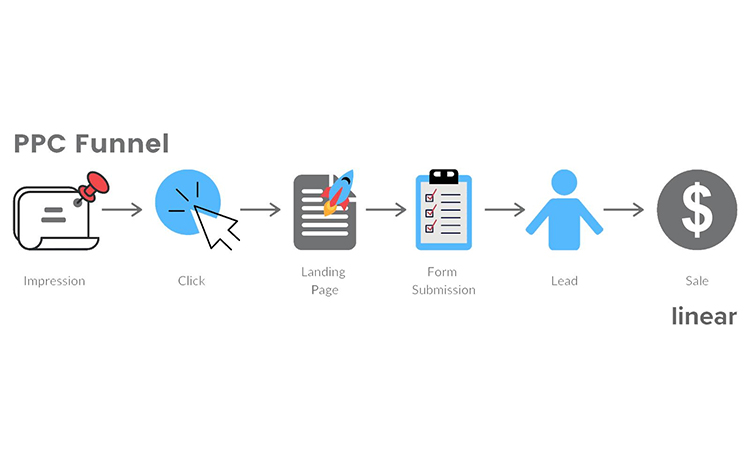
The trip has to make sense. The word informs you what to look forward to. The ad should make it clear that this is necessary. The message on the landing page should keep the same, and it should be clear what to do next.
People who click on “startup tax consultant” should not be sent to a generic homepage. There should be a page on the internet that talks about taxes for new enterprises. Any mismatch makes things harder and makes customers less likely to buy.
- Qualification Filters Improve Lead Quality
Not every lead should be able to get through. Forms, calls to action, and messages can help you get real leads. You may detect if someone is a true potential early on by asking them what kind of business they run, how much money they have, or how urgent their demand is. The CTA is also quite essential. “Book a consultation” and “Get free advice” are not the same thing.
→ When these three levels operate together, PPC ceases to bring a lot of clicks and starts offering you leads that you should follow up on.
The Best PPC Platforms for Professional Services
The platform you choose is just as important as the plan. Not every channel works for every type of service. The purpose of PPC services for professionals is not to be everywhere but to be where people are most likely to buy:
- Google Ads
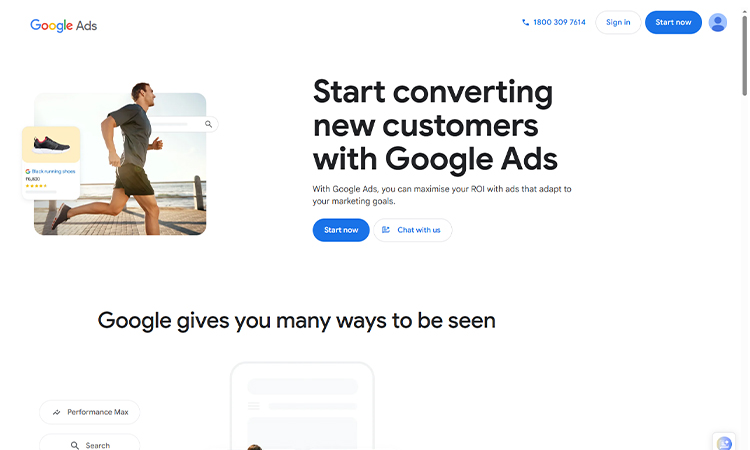
For most professional services, this is their main way of getting business. It captures people who are actively looking for answers. If someone types “hire corporate lawyer” or “tax consultant for startups,” Google is where that intent shows up.
- When not to utilize it: Scaling is hard if your service doesn’t get a lot of searches or is very niche with few queries.
- LinkedIn Ads
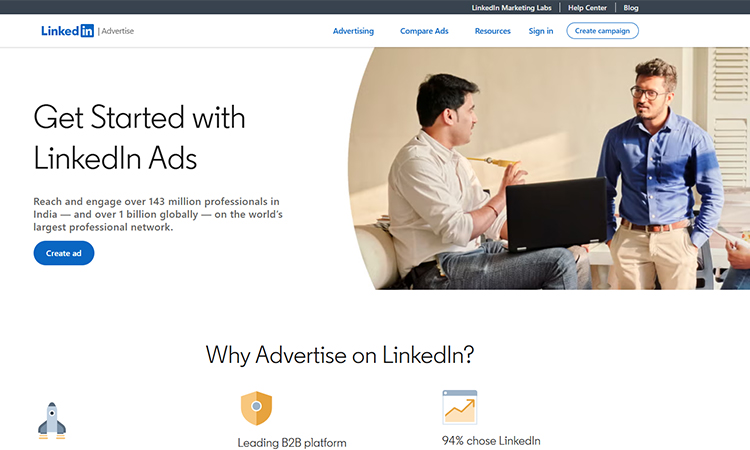
Good for B2B services that need to reach people in certain positions, industries, or business sizes. Perfect for consultants, consultancy firms, and businesses that offer professional services.
- When not to utilize it: If your service is sensitive to price or needs to be converted right away. LinkedIn clicks cost a lot of money and work better for sales that take a long time.
- Meta Ads (Facebook and Instagram)
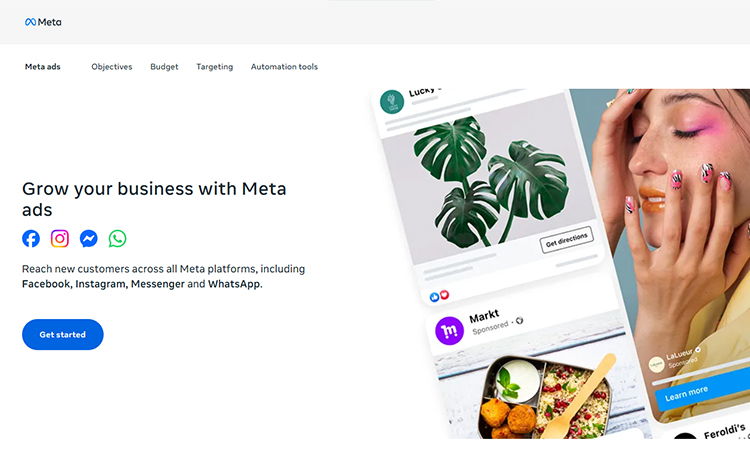
Meta ads are ideal for nurturing and retargeting your customers, especially if they’ve previously engaged with your search ads.
For example, a user searching for “financial audit services” finds your website but does not convert. Meta advertising allows you to engage that user again down the road, keeping your firm in front of them while they evaluate similar services.
This is critical because the decision cycle in professional services takes longer, so it’s unlikely a user converts on their first visit.
- When not to use: As a primary channel for cold traffic users. In comparison to search traffic, meta traffic is driven by passive browsing. Thus creating lower intent and, consequently, a lower rate of direct conversions.
- Bing (Microsoft) Ads
People often forget about this, but it can get you cheaper clicks with less competition. It works great with Google Ads.
- When not to utilize it: If your audience is mostly mobile or doesn’t do a lot of desktop-driven search action.
→ Not only should the platform show where ads are, but it should also match how your buyers search.
PPC Strategy Framework for Professional Services
You can’t build a successful campaign inside the ad platform. It was erected before that. Most of the time, PPC for Professional Services doesn’t work, since people skip the basics and go right to advertisements. This is the system that keeps everything in order:
- Make a Profile of Your Ideal Client

First, be clear about who you really desire.
Not every lead is worth going after. A startup founder, an SME owner, and a big business buyer all have different demands, budgets, and expectations. Your message gets less clear if your campaigns go after all of them.
Define:
- The industry or niche you work in best
- Clients are okay with the budget range
- How urgent their problems are
This affects everything that comes after. Without it, targeting stays broad and the quality of leads goes down.
- Make a Plan for Your Focused Keywords
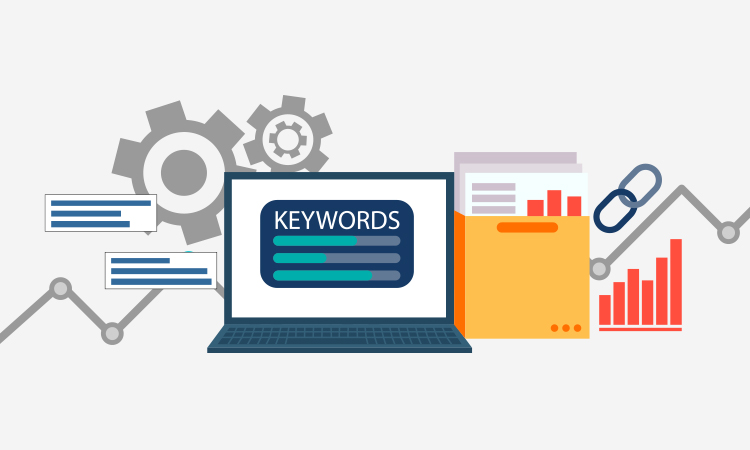
Keywords determine who gets into your funnel. Put first:
- Commercial keywords: “hire tax consultant” and “corporate compliance lawyer”
- Local keywords: “accountant in Noida” and “startup consultant in Bangalore”
- Long-tail keywords: “SaaS startup GST filing consultant”
These are specific, not as many, but more focused. They cut down on wasteful spending and raise conversion rates. Don’t use vague words that make people curious but don’t make them act.
- Write Ad Copy that Attracts and Filters
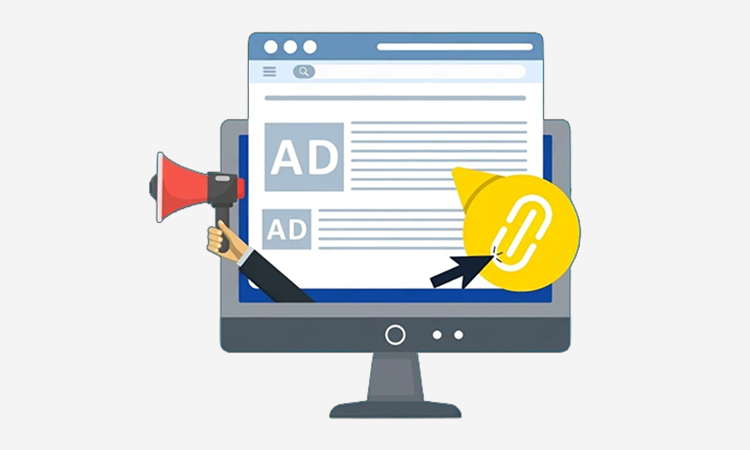
Ad copy shouldn’t strive to please everyone. It should talk directly to the right customer.
A simple structure works:
- Point of pain
- A clear answer
- Evidence or trustworthiness
- Call to action right away
“Startup Tax Consultants| 100+ Clients Served | Book Consultation” is an example.
This tells them what to expect before they click. It brings in the right users and keeps out the wrong ones.
- Make Sure Your Landing Pages Match Intent

This is where most campaigns lose conversions.
The landing page should make the same promise as the ad. If someone clicks on “startup tax consultant,” they shouldn’t end up on a page that lists all of your services.
Pay attention to:
- A clear headline that matches the keyword
- Specific service placement
- Trust cues include things like testimonials, experience, or logos from clients.
- A clear next step that is easy to see.
Conversions go up when the message moves easily from search to ad to page.
- Make Sure Conversion Tracking is Set Up Correctly

You can’t optimize if you don’t track. Track:
- Submitting forms
- Calls
- Making appointments for consultations
Take it a step further by linking leads to results. Which campaigns bring in real customers and not simply questions?
This is when PPC for Professional Services goes from being a guess to a system that can be measured. You can confidently scale your budget and make decisions based on data.
Optimization of Landing Pages for Conversion
Traffic doesn’t turn into sales. Choices do.
Most efforts fail after the click because they send people to landing pages that aren’t set up to get them to do something. A homepage aims to cover everything. A PPC visitor wants one item to be fixed.
That mismatch stops conversions. This breakdown typically happens in two key areas:
- Why PPC Doesn’t Work on Homepages
The purpose of a homepage is to let people explore. It has multiple services, links for navigation, and broad messages.
A PPC user comes with a clear goal. They have to sort things out again if they search for “startup tax consultant” and end up on a broad site. That little bit of extra work is all it takes for them to depart.
Traffic quality isn’t the problem. There is friction.
- Why Dedicated Landing Pages Work Better
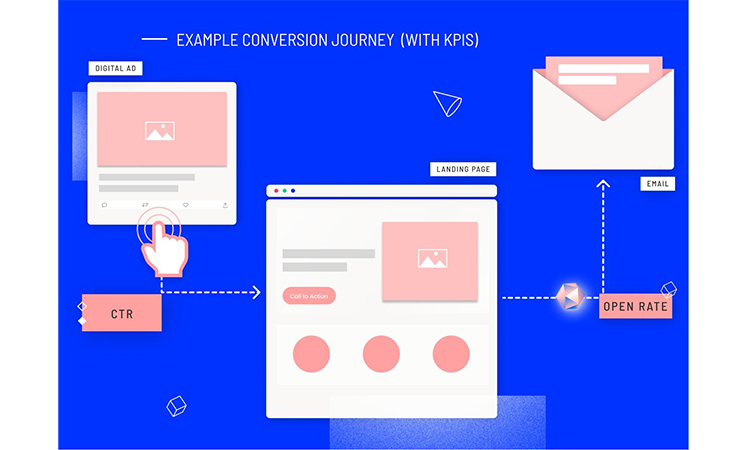
A landing page takes away that friction. It focuses on one service, one group of people, and one action.
The message stays the same:
- Search term
- Ad text
- Page of landing
The user doesn’t have to think when all three are in sync. They go on. Most of the conversion gains come from here.
- Core Elements of a High-Converting Landing Page
- A headline that fits the purpose
The first line should let the user know they are in the right spot. For example, “Startup Tax Advisory for Founders.” Clear language is better than clever language.
- Early trust signals
You need to be sure of yourself in professional settings. Put proof near the top. Logos, testimonials, years of experience, or credentials from clients. Don’t hide your credibility below the fold.
- A clear and specific call to action
Don’t use buttons that aren’t clear. “Book a consultation” or “Talk to a tax expert” makes it obvious what to expect. After clicking, the user should know what will happen.
- Few things to distract you
Get rid of links, menus, and actions that aren’t needed. The page should help you make a choice, not give you a lot of options.
Landing pages that align with user intent translate into better conversion rates. This creates not only more qualified leads but also an increased likelihood of converting those qualified leads into paying customers without any increase in your advertising expenses.
In many cases, companies gain more profits through obtaining more qualified leads or through an increase in the sales amount. Everything matters on UI-UX for the landing page of every campaign.
The Reality of Budgeting, Cost & ROI
Companies make the worst mistake when they solely look at cost per click (CPC). Clicks are not a measure of performance. Results do.
Three levels of understanding are needed to figure out how much PPC costs for expert services:
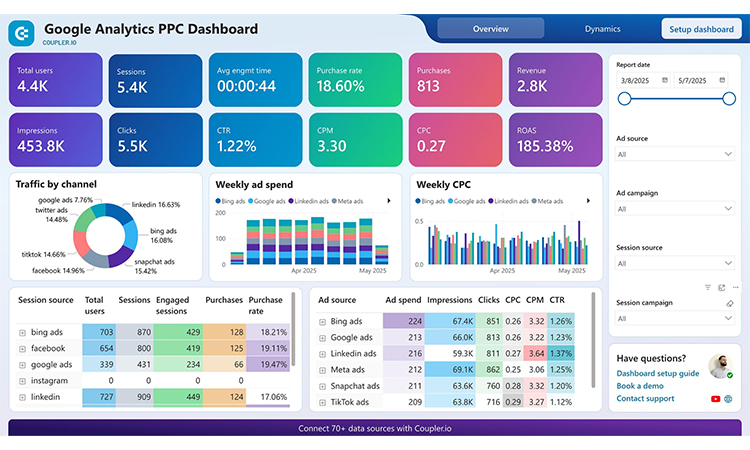
- CPC (Cost Per Click)
This is how much you pay to get people to visit your site. CPC is high in fields like law and banking since each client is worth a lot. But CPC by itself doesn’t tell you anything about the results.
- CPL (Cost Per Lead)
This tells you how much you spent to get an inquiry. A lower CPL is beneficial, but it can be misleading if the leads aren’t good.
- CAC (Customer Acquisition Cost)
This is what really counts. What is the price of turning a lead into a paying customer? This is where the genuine return on investment (ROI) is figured out.
There is much difference amongst industries here. A corporate law practitioner might take a higher CPL since one client can bring a lot of money. A smaller service provider may need to keep a closer eye on things to stay in business.
Businesses keep putting money into PPC for a reason. Companies make almost $2 for every $1 they spend on Google Ads. But that result doesn’t happen by itself.
Bad setup quickly degrades ROI. Costs go up when you target a lot of people. Conversions go down when landing pages are weak. Leads that aren’t qualified raise CPL without bringing in money.
PPC doesn’t have to be pricey. When it doesn’t match up with intent, funnel, and tracking, it gets pricey.
How to Improve Your PPC Performance For Professional Services
Once your campaigns are up and running, it is about how well you can make them better. To get the most out of your PPC for professional services, you need to get rid of waste and make sure you are targeting the right people over time:
- Use Negative Keywords to Stop Unwanted Traffic
Not every search term should show your ad. Words like “free” or “jobs” often bring the people together. Adding negative keywords helps keep out low-value clicks and saves your money.
- Retarget Who Did Not Become Clients
Most clicks do not become clients the first time they visit your site. Getting back in touch with them after they leave can help. It keeps your firm visible while they compare options and makes it more likely they will become clients.
- Use A/B Testing for Better Results
In PPC for professional services, test different ad variations to see what attracts high-quality leads. Try changing headlines, value propositions (e.g., “expert consultant” vs. “affordable services”), or CTAs like “Book a Consultation.” Track conversions and cost per lead to identify which version builds more trust and drives better client inquiries.
- Refine Geotargeting
Focus on the places that actually get you clients. If some cities or areas get you better leads, spend money there. Stop spending money in places that do not work out.
Your performance will get better when you keep making your system better. Less noise, more relevance, and better results.
Common PPC Mistakes Professional Service Firms Make
Most campaigns that do not work are not because of the platform. They do not work because of mistakes made at the beginning:
- Using Keywords that Are Too Broad
Targeting keywords like “legal services” or “tax help” might get you a lot of traffic but not the right people. These keywords attract people who are just looking around, comparing, or not ready to hire. You end up spending a lot of money without getting clients.
- Not Tracking Your Results
If you are not tracking when people fill out forms, call you, or book consultations, you are shooting in the dark. You cannot tell which keywords or ads are actually getting you clients. You are just guessing.
- Sending Paid Traffic to Your Homepage
Your homepage talks about things. Pay-per-click traffic needs to be focused. When people land on a page, they get confused and leave. This is a way to waste your money.
- No System to Qualify Leads
Not every lead is valuable. Without a way to filter out leads, you attract people who are not a good fit. You spend time chasing the leads instead of getting the right ones.
These mistakes seem harmless at first. They can turn pay-per-click into a waste of money instead of a way to grow your business.
Case Studies: Turning Clicks into Clients
A mid-sized tax consultancy was running a PPC campaign but not getting good results. They were getting traffic. Most leads were not valuable or relevant. The cost per lead kept going up. The team started wondering if PPC for Professional Services was worth it.
- Problem
Their campaigns were based on keywords like “tax services” and “GST help.” Their ads were generic. All traffic went to the homepage. There was no targeting or qualification. They attracted people with intent and spent time filtering leads instead of getting clients.
- Strategy
They changed their approach to focus on intent and specificity. Campaigns were restructured around high-intent keywords like “startup tax consultant” and “NRI tax filing services India.” Dedicated landing pages were created for each service. Forms were refined to capture business type and urgency, which helped filter prospects. Conversion tracking was tightened to measure consultations.
- Result
Within a month, lead quality improved. The number of consultations went up while the cost per lead went down. The firm started seeing a connection between ad spend and client acquisition.
30-Day Pay Per Click Launch Plan
PPC for professional services enables the acquisition of high-quality leads through structured, systematic processes. The 30-day plan outlined here stipulates the establishment of a program for attracting and converting these high-intent clients:
- Week 1: Setup
Define your services, target locations, and ideal client profile. Set up your Google Ads account and conversion tracking. Decide what counts as a lead, such as calls, form submissions, or booked consultations. Without this foundation, nothing else works.
- Week 2: Build
Create grouped campaigns around specific services. Build keyword lists focused on intent, not volume.
Write an ad copy that identifies with the user’s problem and positions you as an authority to solve their problem. Well-written ad copy for PPC for professional services typically contain:
- a strong service-focused headline
- a description of a pain point or need of the user
- a signal demonstrating credibility
- a strong and direct call-to-action
Ad copy is the first point of evaluation for a lead. It eliminates low-intention users and increases the number of high-intention prospects your business will generate. Develop landing pages for each service instead of using a generic page.
- Week 3: Launch
Start with a controlled budget. Monitor signals like click-through rate, cost per click, and initial conversions. Do not scale early. The goal here is to observe behavior, not chase volume.
- Week 4: Optimize
Pause keywords that bring traffic. Refine ad copy based on performance. Adjust targeting to focus on locations and segments that convert. Improve landing pages where drop-offs are high.
This approach keeps risk low while building a system that can scale.
Why Professional Services Firms Choose PPC Agencies
Most firms do not lose money on PPC because of the platform. They lose it in the gaps between setup and ongoing management:
- PPC Needs Attention, Not Just Monitoring
Campaigns change every day. Costs per click go up and down; competitors change bids and search behavior evolves. Without management, money goes to low-performing keywords and unwanted clicks.
- Internal Teams Usually Do Not Have the Time
In firms, pay-per-click is not a dedicated job. It is handled alongside tasks. That limited testing slows decision-making. Leaves gaps in optimization.
- Agencies Work With Data Not Assumptions
They track what actually matters. Not just leads. Which campaigns bring qualified consultations and paying clients. Budgets are reallocated based on performance signals, not guesswork.
- Faster Optimization Reduces Wasted Spend
Losing keywords are paused early. Ad copy is tested continuously. Targeting is refined based on conversion patterns. This keeps campaigns proactive instead of reactive.
For services, where each client is valuable, even small inefficiencies add up quickly. Agencies help control that turning ad spend into client acquisition.
FAQs
Ans. There isn’t a number. Most services begin with a monthly budget of $1,000 to $10,000. The budget for PPC for professional services should be based on how much a client is worth, not how many hits they get. If you can keep making money, high-ticket services are worth the money.
Ans. PPC for professional services helps businesses target potential clients through intent-based keywords, align with the focused landing page, and write the specific ad copy. Instead of maximizing clicks, PPC campaigns filter users based on intent, business need, and readiness to hire.
Ans. PPC campaigns fail to generate leads of quality, as they tend to focus on traffic generation rather than lead generation. Generating traffic results in a broad targeting base, generic ad copy, and poorly aligned landing pages, which generate low-intent users, leading to wasted resources with few or no conversions.
Ans. While PPC for professional services can provide initial leads quickly (within a few days), developing meaningful results may take a little bit longer (within a couple of weeks) as businesses evaluate their campaigns and improve targeting, messaging, and lead quality through performance data analysis.
Ans. You can increase the quality of your leads generated through PPC for professional servicesby focusing on targeting high-intent keywords, refining your search terms, adding negative keywords, writing ad copy that aligns with user intent, and providing strong landing pages.
Ans. When evaluating whether your PPC for professional services campaigns has been successful or not, you should rely on cost-per-qualified-lead, customer acquisition costs, and the amount of revenue generated from the campaigns, rather than clicks or impressions.
Conclusion
Most firms treat PPC for professional services as a way to get traffic. That is where it goes wrong. PPC works when it is built as a system. Keywords that target the right people bring the audience. Focused landing pages guide decisions. Tracking connects leads to clients. Without this structure, spending increases. Outcomes stay flat.
The difference is not in the platform. It is in how you do it. Firms that approach PPC with a strategy of tight targeting and continuous optimization see consistent results. Not more inquiries, but better clients.This is where expert-led PPC services for professionals make a difference. When campaigns are built around intent and managed with discipline, PPC becomes predictable, measurable, and scalable.

