






Have you ever wondered why your blog post that was driving tons of traffic suddenly stops performing like it used to? It may have ranked on the first page of Google and generated steady leads, but now it struggles to attract traffic, leaving you wondering what went wrong. This decline in website traffic is called content decay, this phenomenon has been around for quite a while and it can happen due to various reasons
If your existing content is struggling with something like this? Maybe it is time to revisit your content strategy. Choose strategic content marketing to refresh and strengthen your existing content and develop new content that maintains high performance.
What Is Content Decay?
Content decay refers to the decline of a web page’s traffic, rankings, or conversions over time. While it typically affects an individual page, it can slowly erode a website’s overall performance. It can happen due to a variety of reasons as the online search landscape keeps changing, the online visibility of your content can go down.
However, decaying content doesn’t mean older content loses its value. A study done by Ahrefs of 1.3 million keywords in the U.S. showed that around 72.9% of pages ranking in the top 10 of Google were over 3 years old. This depicts old content still remains relevant and useful. Therefore, identifying content decay requires examining changes in its rankings, organic traffic, and conversions.
What Causes Content Decay?
There may be a number of factors that contribute to content decay. Changes in a company’s information, competition, or search behaviour may lead to an increased need for a page to be updated. Identifying the specific cause is important because the solution depends on what has changed. An outdated article may need new information, while a page affected by changing search intent may require a more substantial restructuring.
- Outdated information
Statistics, regulations, technologies, industry practices and articles are a few elements that can become outdated. Outdated info can include recommendations based on old research or products that no longer exist. Pages can also become outdated if the pricing of products or services changes.
Facts that are accurate at the time of publication are expected to remain accurate. This principle is particularly applicable to topics that are subject to rapid changes. More frequent edits may be required for pages that cover rapidly changing topics.
- Changes in search intent
The intent of a search can also change. This is particularly evident when a previously given search term generates a range of different results such as comparison pages, tutorials or other formats. If an existing page continues to address the old intent, it may gradually lose visibility leading to content decay. The content needs to reflect what users currently expect from the search.
- Newer and more comprehensive competitor content
Changes in search results can often be attributed to the evolving nature of content on competing domains. This often occurs when the original content remains current, but competing content provides more and better information.
While it may not be the case that content is the cause of declining search interest for a topic, a page may often lose traffic for this reason. This is especially true if the page ranks well for its topic.
- Broken or outdated links
Links can become out-of-date for a number of reasons. A linked resource may no longer exist, and a link may become broken or may direct the user to a resource that is not related or is irrelevant to the content.
Links should be checked during a content review to make sure they are working and directed to the correct resource, and preventing content decay.
- Changes in SERPs and search algorithms
Search results are not static; as search engines modify their platforms and introduce new features, different results may be generated. Traditional list results may be replaced with other results, like videos or online shopping.
Because of this, a page that was previously well-ranked may no longer be noted or clicked by the search engine users.
How to Identify Content Decay
Content decay describes a gradual loss of a page’s ability to rank in search results. It can be diagnosed by looking for trends in traffic and ranking data. Google Search Console provides data on clicks, impressions, the average position, and the queries for which a page is seen for. Search Console may be helpful to review a page’s search performance.
By analyzing search results and trends in organic search data, one may be able to decipher the reasons behind the decline in a page’s search performance. Google suggests reviewing the last 16 months of search performance to diagnose traffic drops. This may help distinguish the effects of seasonality, and tell if the decline in performance has been steady or not.
- Signs of Content Decay
Content decay usually becomes visible through a combination of performance signals. Looking at these signals together provides a more reliable diagnosis than focusing on one metric:
- Consistent decline in organic traffic: Decreased organic visibility may be the result of a combination of factors and may not always be page specific. Decreased visibility may occur during off-peak seasons for a product or service, so it is important to analyze similar time periods.
- Falling keyword rankings: Review the keywords that historically generated traffic. If important terms move from page one to lower positions, or the page stops ranking for previously valuable queries, the content may have become less competitive.
- Lower impressions and clicks: When impressions for a page start to drop off, it could mean the page has lost visibility for the queries that it used to rank for and is decaying. Impressions tell you how many times Google Search has shown your result for a query, even if it’s not clicking through to your result. To see if a page is decaying, determine how many impressions a page has gotten in the last 3 to 6 months and then compare it to how many impressions a page got in an even longer time frame.
If, in Google Search Console, impressions and average position for a page are going down, it means that the page has decayed and isn’t competitive, and needs to be changed in order to win for that query. - Declining conversions: Traffic does not necessarily determine the value of a page. A drop in conversions may indicate parts of the page no longer meet user needs. For example, the CTA, offer, product, pricing, forms, or messaging on the page may no longer be relevant or may have decayed. Because of this, a page may still be drawing traffic, but converting less. Assess the change in context of how the page is performing overall to figure out if the change in conversion is due to the change in content or due to changes in how users behave.
- Emerging of New Competitors in search results: Check your search results page (SERP) position against the pages that have historically outranked your content and resulted in content decay. If pages that used to rank below your content begin outranking your content, it is a sign your competitors in the market may have changed.
- Changes in user search intent: User intent can change and when it does so can the results users expect to see for a specific query. A page can cover the same topic as it did in the past, but if results for the query now cover a different aspect, audience focus, format, or level of detail as the page, that page is now less relevant and therefore is less useful to users for that query. Because of the changes, it can now negatively impact the page’s ability to rank and perform, even if the page content has not changed.
When looking into content decay, the signals mentioned here should be analyzed in conjunction with each other. If there has been a recent dip in traffic to the content, further analysis should be conducted to determine why.
A more thorough analysis should be conducted if there has also been a change in rank and a decline in the number of clicks to the content.
Content Refresh vs. Content Rewrite
Not every declining page needs to be completely rebuilt. The right approach depends on how much the topic, information and search intent have changed.
| Factors | Content Refresh | Content Rewrite |
| Search Intent | The page still captures the same intent of search engine users and provides the answers they need. | There is a complete shift in the search intent so a lot of content needs to be written again |
| Information Relevance | The main idea is accurate and useful information, but there are facts, examples, or details that are outdated and need to be changed. | A significant portion of the content is outdated, incorrect or irrelevant and needs to be updated. |
| Content Structure | The structure of the page works well. There are a few sections that need to be added or moved to a more helpful location. | The structure of the page no longer supports the topic and requires a substantial rework. |
| User Need | The page still meets the main need of users. There is the opportunity to increase the usefulness, completeness and currency of the page. | The content no longer meets the user’s needs and a new, different approach is required. |
| Extent of Changes | Most of the content, structure and SEO can be kept and changed to improve the page where needed. | Changes are so extensive that keeping the existing content would not be efficient and the entire content has to written again. |
How to Update Old Content Without Losing SEO Value
Updating web content generally means revising text. However, updating a page to avoid content decay and make it more current and more relevant to users requires examining a number of other elements of the page as well. Keep the following elements of the page in mind when preparing an updated version for publication:
Step 1: Review the Existing Page

Make note of the current version of the page, including the organic search results, the keywords for which the page is ranking, and other metrics, like clicks and conversions.
Be sure to document the page’s backlinks, the queries for which the page is ranked, and the page’s index status.
Step 2: Compare It With Current Search Results

Perform a search for the page’s target keyword to analyze what types of pages are ranking. Look to see what types of questions are being addressed by those pages. Make a list of things users are looking for that you are not covering.
Step 3: Keep the Existing URL
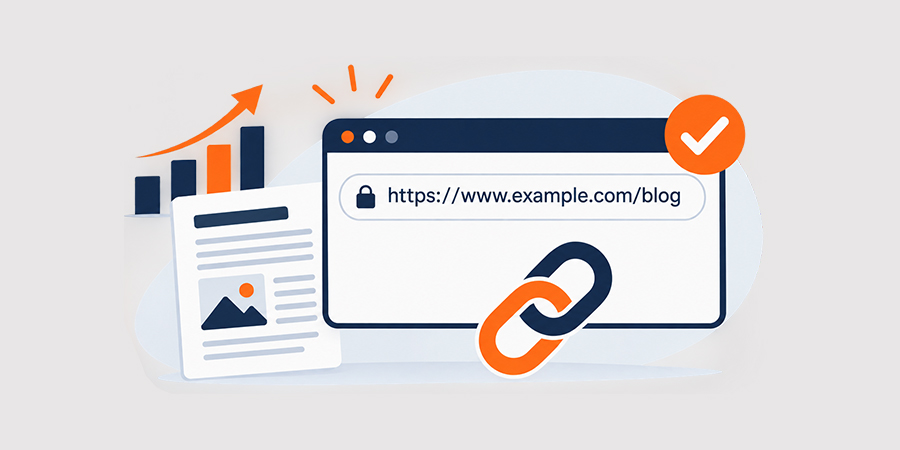
Keep the current URL if the page is still related to a topic that has SEO value. If you change the URL, the page will no longer be related to the value it earned historically. Change the URL only if the topic is no longer relevant.
Step 4: Update the Content

The focus of this step is on editing the content to ensure it is up to date. This may include the removal of out-dated content and the addition of new content to meet the expectations of the end-users. It is important that redundant content be removed.
Adding new content to a page should be approached strategically and only information that relates to the search query should be added. Unrelated information should not be added in an attempt to make the page longer.
Step 5: Review On-Page SEO

In order to avoid content decay, consider how your title tag and meta description capture the content in a more useful way to better capture your target audience.
Use your updated information or internal links to guide your editorial changes. Use your best judgment when incorporating changes relating to the page’s overall structure. Avoid forcing keywords into headings or copy where they do not naturally fit.
Step 6: Publish and Request Recrawling

Once your edits and updates have been completed, you can change and publish your page. You can also request Google to recrawl the page to get a more current page ranking. Compare the page performance to your previous baseline to gauge the effect of your changes and avoid content decay.
Common Content Decay Mistakes
When updating content, it’s important to identify the specific reason why the content is performing poorly. However there are some mistakes that are often found while handling and updating content decay:
- Changing only the publication date
Simply changing the date will not improve content performance if the content doesn’t answer the current search query, if the content has outdated information, or if the content is covering information that the audience is no longer searching for.
- Refreshing content without checking current search intent
Making superficial edits like adding new statistics will not help if the content is still answering the wrong question. The content could also be covering information that no longer answers the search query.Make sure you know what kind of content Google favors for the search query, before making any changes.
- Keeping outdated information alongside new information
Old, outdated information contradicts new information. This creates a confusing message for the reader and can negatively impact trust and performance. Make sure to review and update all information on the page.
- Creating a new page instead of improving existing relevant page
If a similar page already exists on the site, it’s a waste of time to create an additional page covering the same information. Make sure to evaluate the current page before creating a new one whether the existing URL already has backlinks, rankings, traffic or other SEO value that could be retained through an update.
- Making changes purely to insert more keywords
Adding keywords repeatedly does not help improve rankings. In fact, this can increase the unnaturalness of the copy and decrease its readability. Instead, assess whether the page addresses the varying ways users can formulate a query, the subtopics related to the query, entities, and other relevant information that users might want to know.
- Treating every traffic decline as a content-quality problem
There can be many reasons other than content quality for a decline in traffic, such as, change in seasonality, a fall in search demand, an increase in the visibility of competitors, and an alteration in the nature of the SERP such as increased use of related questions, answer boxes, etc. Consider these various reasons and evaluate whether traffic loss is likely due to a content-quality problem.
- Removing useful sections simply to make the page shorter
Content length has no direct impact on the quality of the content. In fact, removing helpful details and information may make it less able to satisfy search intent.Leave detailed examples and information as it is and remove content only if it is irrelevant or repetitive.
- Updating content without reviewing internal links
The page may cover the same topics as before. However, new details may have been added, and other resources may have been created, which require alteration of the page’s internal links.Be sure to update the links that point to the page as well.
- Making major changes without recording the baseline
You can not tell whether an improvement was made if you don’t record performance before a change. Record data such as, relevant traffic, rankings, and conversions to gauge improvement before changes are made.
- Expecting immediate results after publishing
The performance of an updated page may not change right away. Search engines need time to recrawl and reevaluate the new version of the page.
Don’t base the success of a refresh on the first few days of data. Allow time for search engines to process the new content. Keep an eye on performance data over time and compare it to the page’s performance data prior to the update.
Conclusion
The difficult thing about content decay is figuring out the implications of a page declining. Not every page that loses traffic needs to be rewritten, and not every old page is worth preserving. To make a page of content worthwhile, it must have a clear purpose, and serve a specific audience. It must also have the potential for further growth.
When looking at things this way, the focus shifts from having to create or edit pages all the time. Over time this helps an organization decide what pages are worthwhile and why, instead of trying to figure out ways to keep pages around just for the sake of keeping them.
If your content is showing signs of decay, our professional SEO services can help you audit, refresh, optimize, and strengthen existing content to regain relevance and build sustained organic performance.
FAQs
Ans: Content decay happens for all types of sites. It happens at varying frequencies based on the industry. Topics that are rapidly changing may require more frequent updates. There are also topics that are considered evergreen that may lose their usefulness over time. Even evergreen content may lose its place in the search results if a competitor covers that topic better or if the intent of the search changes.
Ans: Yes. One of the factors that should be reviewed before making significant changes to a page should be backlinks. A page may have valuable backlinks, despite a decline in its organic performance. It is thus worth checking a page’s backlink profile to determine if it is worth updating the existing URL, replacing or deleting the page.
Ans: Figure out why the clicks have decreased first. Also check impressions, rankings and search demand. If the rankings and impressions are the same, but clicks have decreased, look at the changes in the search results page or user behavior for the reason of content decay. If rankings and visibility have also decreased, then reviewing the content to see how it aligns to the changes in the search results may dictate if it needs to be updated.
Ans: Yes, multiple pages on the same site targeting similar search queries or fulfilling the same search intent can compete against each other for rankings. When investigating a page with declining rankings, ask whether other pages on the site have started ranking for the keywords targeted by the page with declining rankings. If several pages on the site have started ranking for the same set of queries, it may be better to combine or separate the pages rather than editing the content with declining rankings.
Ans: Before rewriting decaying content, assess its current rankings, traffic, conversions, search intent, keyword performance, and competitor content. Also identify outdated information, content gaps, declining backlinks, and opportunities to improve relevance, freshness, and user experience.

